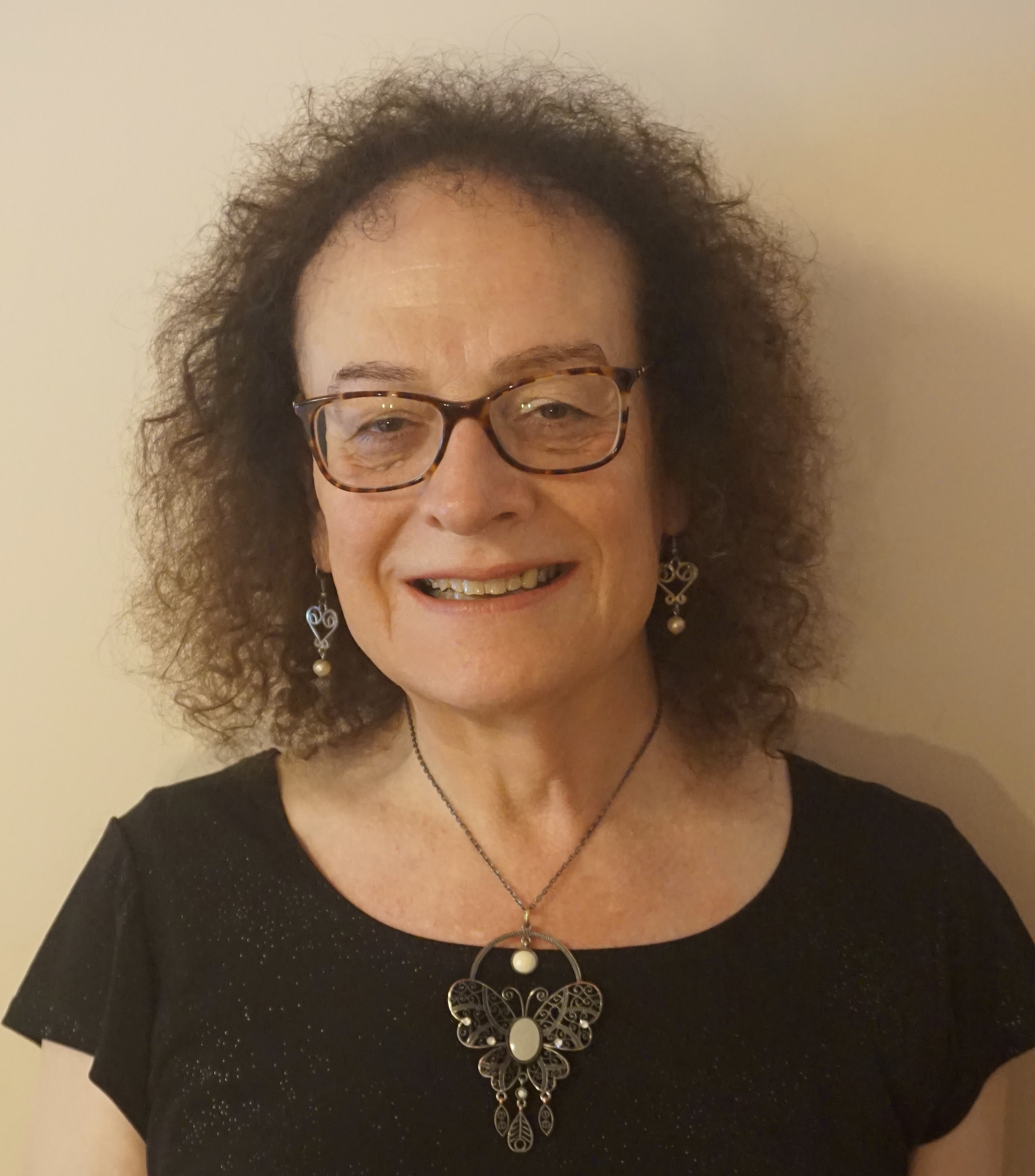
3 poems by Jasper Glen

Jasper Glen

Shell

Outside the motor field: sallow colour
And greasiness of the skin.
Dead earth through pavement
A gas station becoming prairie again.
Left instructions: cash price 1
All American dollar echoing
Of the face; rouge and mottled
Low pulse rate, shallow pressure.
The long shutting-off,
Emotionally cool outlook 
Tower, and dark hills talk
A broadcast of dead radios.
Fixed ideas; states of violent
Excitement, the artists’ flow
Wrought by process. 


Clouding of Consciousness

Called on to respond to a complex 
Situation, the patient is likely to be 
Slow, show perseveration in thought
And speech. Judgements, also, 
Will be less balanced and less adequate. 
There’ll be an equal difficulty in mobilizing
The memory store; in all states of
Clouding, select the mode of
Figure-formation. A state
Of reduced wakefulness. 
This is the cardinal symptom.
Conrad likens the patient’s state
To a theatrical or film performance. 
All thresholds are lowered. 
The figure-background is blurred. 
The patient loses their freedom,
Becomes a passive victim of forces. 


Water Depletion

Water depletion in shipwrecked 
Sailors, and in men lost in the desert
Leads to hallucinations and other
Delirious features- ‘Serious 
People become sombre, others
Exhibit a hollow vivacity’ (Black et al). 
Kant gave 100 such patients
Sodium amytal, to access their
Mental states, he found many
Completely disorganized, 
Others empty of content
Like ‘On a whitewashed
Wall there is movement
Of grey and white lines
At different levels, a
Latticework, moving
From left to right while
Movement continues,
A picture forms. One of
The larger shady spots 
Becomes a house, like
A castle, with windows.
An entrance, a drive
From the gate, a pond
In front, the castle being
Mirrored in the water. 

Return to Journal

Jasper Glen is from Vancouver, Canada. He holds a BA in Philosophy and a JD. His poems appear or are forthcoming in A Gathering of the Tribes, Amsterdam Quarterly, Apricity Magazine, BlazeVOX, Cathexis Northwest Press, fauxmoir, NiftyLit, Phantom Kangaroo, Posit, Sein und Werden, Streetlight Magazine, Tofu Ink Arts Press, and other journals.

WordCity Literary Journal is provided free to readers from all around the world, and there is no cost to writers submitting their work. Substantial time and expertise goes into each issue, and if you would like to contribute to those efforts, and the costs associated with maintaining this site, we thank you for your support.

One-Time
Monthly
Yearly

Make a one-time donation

Make a monthly donation

Make a yearly donation

Choose an amount

¤5.00
¤15.00
¤100.00
¤5.00
¤15.00
¤100.00
¤5.00
¤15.00
¤100.00

Or enter a custom amount

¤

Your contribution is appreciated.

Your contribution is appreciated.

Your contribution is appreciated.

DonateDonate monthlyDonate yearly
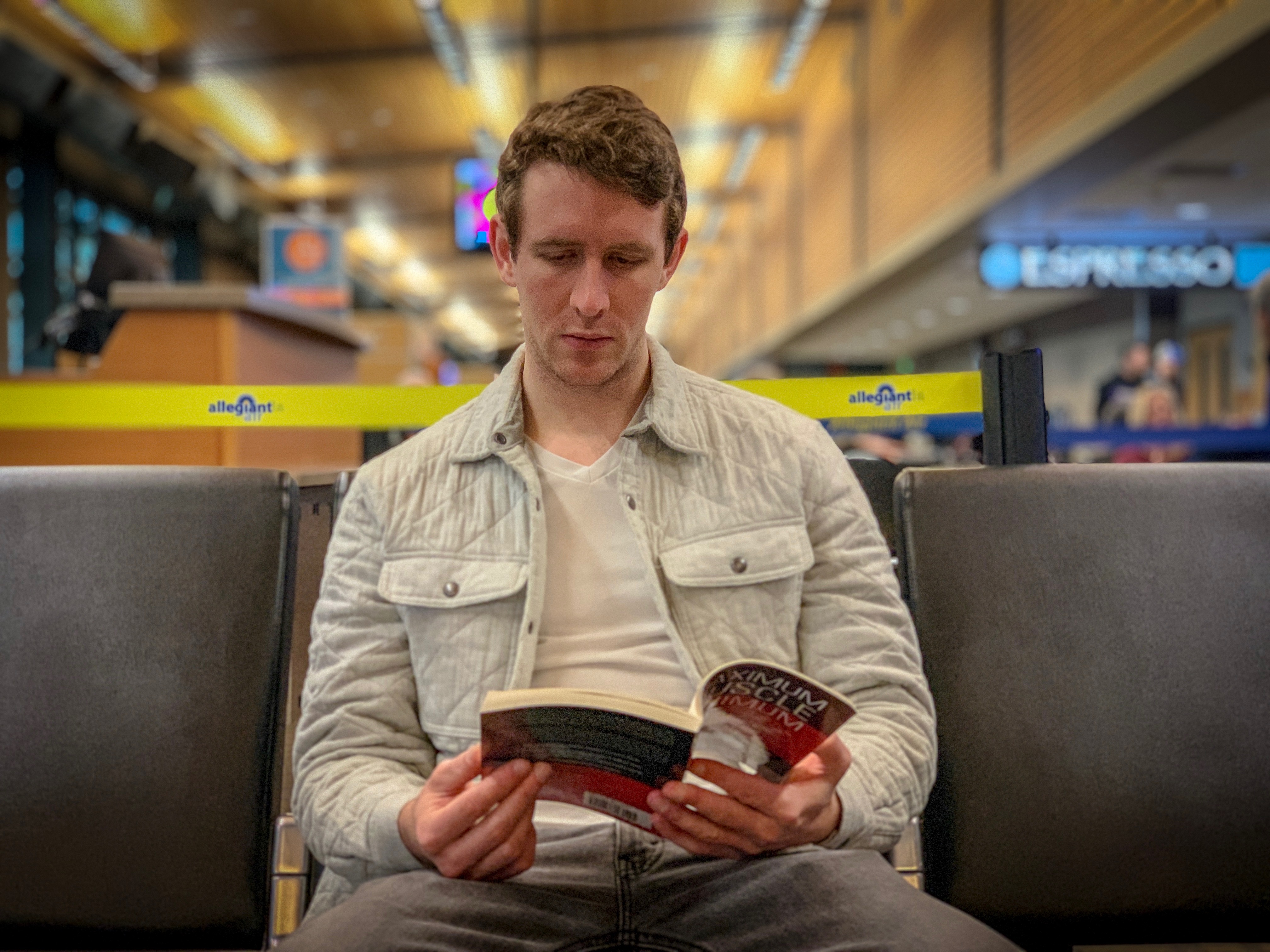
3 poems by Mansour Noorbakhsh. WCLJ Writer in Residence

Mansour-Snow-2020 (resized)

Iranian Youth
     For Mahsa Amini, Nika Shah Karami, Sarina Esmaeilzadeh and all   martyrs of freedom

I am a generation that my days 
have never tolerated with me.
I see you kill
but verbalize the justice.
I see you steal
but lament because of oppression.
I see it's foul only
what you make in the name of morality.
I find no name for you
except bandits
except tyrants.

Which crypt have you come from
that have no tolerance for sunshine?
Where do you prostrate that doesn’t make
a bit of truth in your existence?

I am a generation that 
cannot tolerate the intolerance
though I have nothing but my burning heart
that has raised with anger and pain
against the hypocrisy that loots our moments.


My own damn story

We didn’t start our journey together.
Our roads had never crossed
except in the missionary ships.

My father was a Dalit who had become Muslim 
traveled with a ship of Christian Missionaries.
Who was my mother?

Al Capone and Citizen Kane arrived together.

We arrived later.
My mother died when I was born.

My brother got a job in the backstage of
Citizen Kane.
And my sister in one of the laundry shops of 
Al Capone.

I love to stroll with you 
in dusk for window-shopping in downtown 
to read the cover page of poetry books 
behind the vitrine of book shops.

And posing like poster of advertising models.


live portal
am i the most permanent attribute of death?
the most obscure irony of freedom?
 
what is the sisterhood between 
frenzy and defamation?
like death and fear?
like dictatorship and theft?

there is no wet-nurse for love

where the neon lights switch colors quickly
in a wet night
dropping the curtain never disturbs passersby

disasters grow in the suffocation
like moulds in the wet darkness
a place just to eat and sleep

within the most obscure irony of freedom?
where the other words are not listened
and hands are far to cooperate  
when life resembles a shadow

there is no wet-nurse for love
when live portal turns absurd

am i the most forgotten attribute of love?

Return to Journal

Mansour Noorbakhsh writes poems and stories in both English and Farsi, his first language, and has published books, poems, and articles in both languages. His book length poem, In Search of Shared Wishes, is published in 2017. He tries to be a voice for freedom, human rights, and environment in his writings. He presents The Contemporary Canadian Poets in a weekly Persian radio program. Mansour’s poems are published in WordCity Literary Journal, Verse Afire, Parkland Poets, several anthologies, and other places. His poems are translated in Greek, Italian, Portuguese, Spanish, Serbian, Macedonian, and Chinese. Mansour Noorbakhsh is an Electrical Engineer, and lives with his wife, his daughter and his son in Toronto, Canada. Mansour is WordCity Literary Journal’s Poet in Residence.

WordCity Literary Journal is provided free to readers from all around the world, and there is no cost to writers submitting their work. Substantial time and expertise goes into each issue, and if you would like to contribute to those efforts, and the costs associated with maintaining this site, we thank you for your support.

One-Time
Monthly
Yearly

Make a one-time donation

Make a monthly donation

Make a yearly donation

Choose an amount

¤5.00
¤15.00
¤100.00
¤5.00
¤15.00
¤100.00
¤5.00
¤15.00
¤100.00

Or enter a custom amount

¤

Your contribution is appreciated.

Your contribution is appreciated.

Your contribution is appreciated.

DonateDonate monthlyDonate yearly
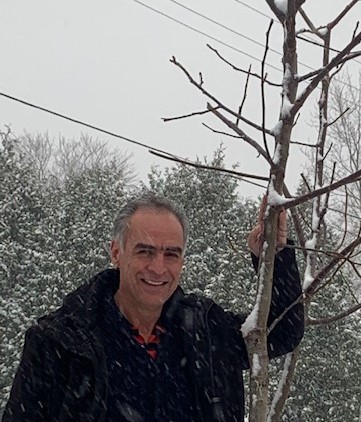
3 poems by Umar YB3

Umar Yahaya

From the trenches

They tossed you 
to the depths
and left you to
sink or swim;
though they were
more convinced that
you would end
up a victim.

But they're wrong! 
Look at you!
how you're still 
hearty and hale; 
How you delve 
into the trenches
only to emerge 
like a whale...

With fishes and 
pure pearls
in plentitude 
in your palms, 
Which you now freely 
toss to them—
like beggars 
receiving your alms! 


Slim Chances

Look here at
our sunken faces,
they are an
eloquent mirror,
Look at how
they reflect well 
our state of
lack and terror.

Eaten up by 
several lean years,
we're now all 
bones and skin;
Though they keep 
feeding us hope,
it seems our 
chances are thin! 


Silver Lining

My eyes, curse not 
the clouds that are 
keeping the sun 
from shining;
Stay forever 
fixed, instead, 
on the 
silver lining...

Perhaps those 
early days 
could be 
lived again,
(When we whirled 
and danced
to vertigo 
in the rain)  

As it falls, 
steadily, steadily 
turning yellow ground 
to green, 
Till we can taste 
with relish and
forget how trying
it has been!   

Return to Journal

Umar YB (Umar Yahaya) was born and bred in Kaduna state of the Federal Republic of Nigeria. He is a holder of the Nigeria Certificate in Education (NCE) from the Federal College of Education, Zaria, and is still a student aspiring for a university degree. Umar speaks Hausa and English languages. He began writing in his early teenage. His works have been published in international anthologies such as the UN GRITO POR LA PAZ anthology for peace; the OPA Anthology of Poetry 2020, STRIVING FOR SURVIVAL and so on. His poems also have appeared in many literary magazines, and he has been recognized by numerous literary platforms. He is the author of a poetry book entitled, PEARLS IN SHELL.

WordCity Literary Journal is provided free to readers from all around the world, and there is no cost to writers submitting their work. Substantial time and expertise goes into each issue, and if you would like to contribute to those efforts, and the costs associated with maintaining this site, we thank you for your support.

One-Time
Monthly
Yearly

Make a one-time donation

Make a monthly donation

Make a yearly donation

Choose an amount

¤5.00
¤15.00
¤100.00
¤5.00
¤15.00
¤100.00
¤5.00
¤15.00
¤100.00

Or enter a custom amount

¤

Your contribution is appreciated.

Your contribution is appreciated.

Your contribution is appreciated.

DonateDonate monthlyDonate yearly

Crossing Lines. a poem by Jennifer Wenn

Jennifer Wenn

Crossing Lines

I am a transperson,
and thus, for some have crossed a line,
become an unwanted, disruptive element
crashing the party of their comfortable psyches.
It was not always thus,
so long as my male avatar soldiered on,
so long as my female truth remained
     bound and gagged,
they were not disturbed.

But this is not a whim or a whimsical choice,
not some neurotic obsession,
rather, beyond psychology or sociology,
deeper than marrow,
this is our very soul, my very soul,
so eventually and inevitably,
while chanting To thine own self be true
a flaming sword sundered her bonds
     and out she strode,
only to be deemed a line-violator,
and, for its guardians, morph into a
respect-free other, worthy only
of glares or maybe a 
malicious shout of “Tranny!”

Nevertheless, she persisted, has since
claimed a domain, found support,
found friendship and community,
but threats may lurk in any space, any encounter,
like the vigilante at World Pride
who figured I’d crossed a line into
being property, and in broad daylight
smugly grabbed my crotch.
In darkly satisfying fantasies
I drilled him in the gonads or
slapped his smirk into next week;
reality was sitting there being
consoled by a young lady saying
Don’t worry, he always does that.

But look around, I am only one person,
look around and find that my vigilante’s
contagion is still very much here,
flowing from the mouths and pens
of malignant bigots ranging from
so-called comedians who mock us
to wealthy authors who deny we even exist
to an adult film star ranting for us to be lynched,
all this despite ostensible improvements and
blossoming visibility.

So yes, look around, as I am just one woman,
better off than most of my trans family,
many run gauntlets I am spared
due to privileged location and economics,
to my, and society’s, shame, my Caucasian
skin colour confers benefits,
and unlike a few folks I know
I have not been beaten.

Now gaze farther afield over our oft-dangerous globe
and find it is easy to descry locales dominated by
those aghast at our audacity in merely being,
who scoff at lesser and prefer abomination,
eyeing a hell-hole jail or execution
to obliterate our transgression 
of their warped boundaries.

But officialdom is not the end of it,
too many of us, wherever we are,
incur the deadly wrath of the mob
or the lone predator.
Witness Dwayne, not so many years ago:
What line did she cross?
     Wanted to socialize as herself, for the first time.
Consequence?  Beaten, stabbed, shot and run over
by self-appointed defenders of gender.
Final words as she stood her ground?  I’m a girl!
And here is Nikki, much more recent.
Her line?  Went on a date.
Upon trans identity being disclosed
her sensitive companion felt no option but to 
strangle her with a phone charger cord and
dump her on a hillside.
Or consider Alexa, homeless, who was
hunted down and assassinated for
the unpardonable sin of using the ladies’ room.
And on and on the blood-soaked list goes.

Dwayne, Nikki, Alexa,
just three of far too many.
I honour them and their bravery,
I cry out that they blessed Creation
     with priceless value and meaning,
I refuse to forget their senseless, tragic and
     often horrific deaths,
I mourn lives cut far too short,
I mourn potential unrealized,
I mourn for those who cared about them,
I weep for their awful suffering,
I rage and howl at a world that still
     harbours hatred such as this.

My name is legion hissed the demon,
and some would cast us in the same role,
would likewise cast us into swine to be drowned,
but we aren’t going anywhere,
for we are children of God, we are a host
demanding the erasure of all those infernal lines,
demanding an end to the hatred and violence,
demanding justice for the victims and
     judgement for the guilty,
demanding space free from fear alongside everyone else,
celebrating our wondrous and excruciating journeys
     and the wisdom only they can bring forth,
celebrating our incomparable beauty and strength,
for yes, we are a host, living and spirit,
with gifts for humanity beyond measure
that was in the front line at Stonewall
then somehow pushed off the progress train,
but no more, never again, 
we aren’t going anywhere,
for yes, we are children of God, we are a host
demanding the eradication of those infernal lines,
demanding an end at last to the hatred and violence,
demanding justice now for the victims and
     judgement for the guilty,
demanding space for all of us free from fear,
celebrating our wondrous and excruciating journeys
     and the wisdom only they have brought forth,
celebrating our incomparable beauty and strength,
for yes, we are a host with gifts for humanity beyond measure
and we will finally claim our place in the sun,
indeed we will haunt the earth till doomsday
in unceasing quest of that better tomorrow.

Return to Journal

Jennifer Wenn is a trans-identified writer and speaker from London, Ontario, Canada. Her first poetry chapbook, A Song of Milestones, was published by Harmonia Press (an imprint of Beliveau Books).  Upcoming is her first full-size collection, Hear Through the Silence (from Cyberwit). She has also written From Adversity to Accomplishment, a family and social history; and published poetry in numerous journals and anthologies. She is also the proud parent of two adult children. Visit her website at https://jenniferwennpoet.wixsite.com/home

WordCity Literary Journal is provided free to readers from all around the world, and there is no cost to writers submitting their work. Substantial time and expertise goes into each issue, and if you would like to contribute to those efforts, and the costs associated with maintaining this site, we thank you for your support.

One-Time
Monthly
Yearly

Make a one-time donation

Make a monthly donation

Make a yearly donation

Choose an amount

¤5.00
¤15.00
¤100.00
¤5.00
¤15.00
¤100.00
¤5.00
¤15.00
¤100.00

Or enter a custom amount

¤

Your contribution is appreciated.

Your contribution is appreciated.

Your contribution is appreciated.

DonateDonate monthlyDonate yearly
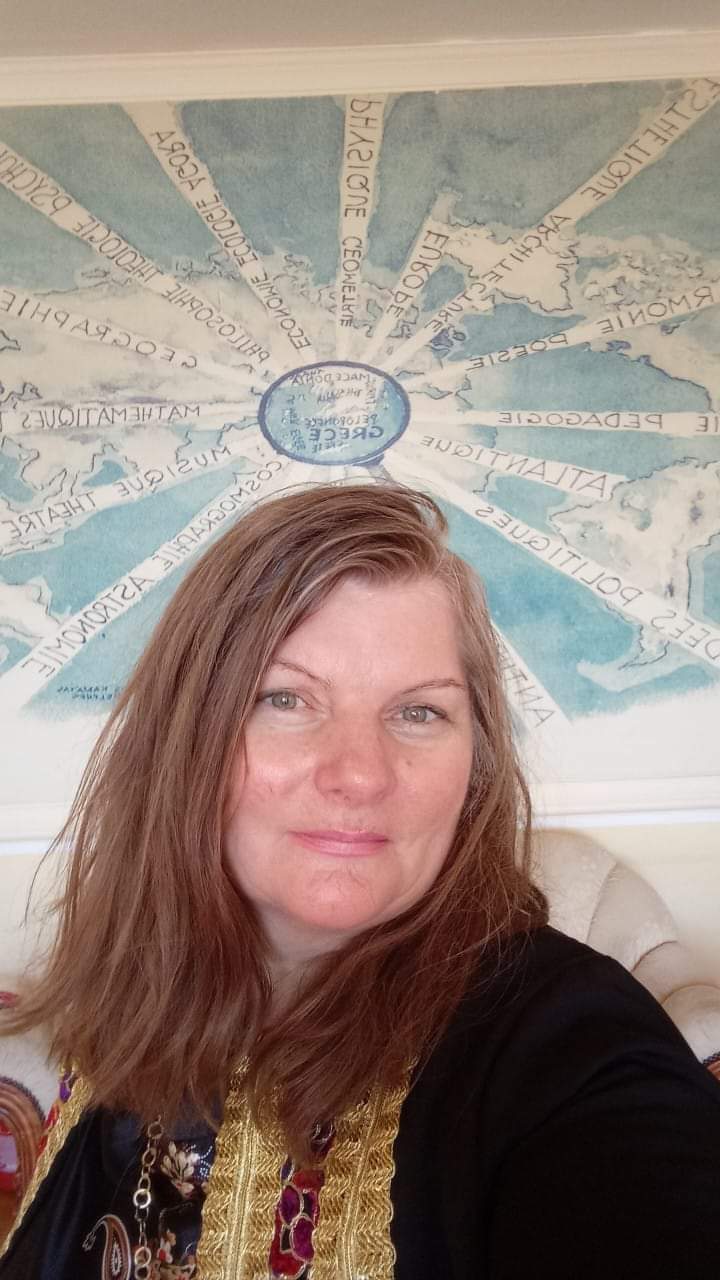
2 poems by Eva Petropoulou Lianou

Eva Petropoulou Lianou

Peace, 

So expensive
We buy so many weapons
To maintain it

If we pray more
If we were kind to each other

We could say
We have Peace of mind
Poetic heart
Call for meditation
Inside our heart

Peace,
We say a lot
We make nothing

Peace,
Such as a woman
We adore her 
But few can approach

Peace,
A value with no cost
If the humans could understand that word...

I wish one day....


Wishing to be a star

I could be a wish
No importance if I was big or small star
My wish it depends on the person that make it
Asking for peace and happiness
Wishing be a cloud
A grey or a white
I could express the feelings of people who cannot speak
Rain day if they are sad
Sun day if they are happy

Wishing to be a star

Return to Journal

Eva Petropoulou Lianou is an awarded author of children literature. She has been writing stories for children and poetry for the past 25 years. She is aggregate author, and her books are aggregate from Ministry of Education of Cyprus. She was translated in several languages:

French, Chinese, Indian, Kyrgyz, Croatian etc. She is a member in several associations in Greece and abroad. She is representing Mexico and Peru Mil Mentes Por Mexico Association International Global UHE Peru in Greece.

WordCity Literary Journal is provided free to readers from all around the world, and there is no cost to writers submitting their work. Substantial time and expertise goes into each issue, and if you would like to contribute to those efforts, and the costs associated with maintaining this site, we thank you for your support.

One-Time
Monthly
Yearly

Make a one-time donation

Make a monthly donation

Make a yearly donation

Choose an amount

¤5.00
¤15.00
¤100.00
¤5.00
¤15.00
¤100.00
¤5.00
¤15.00
¤100.00

Or enter a custom amount

¤

Your contribution is appreciated.

Your contribution is appreciated.

Your contribution is appreciated.

DonateDonate monthlyDonate yearly
Climate Change. a poem by Dr. Rubeena Anjum

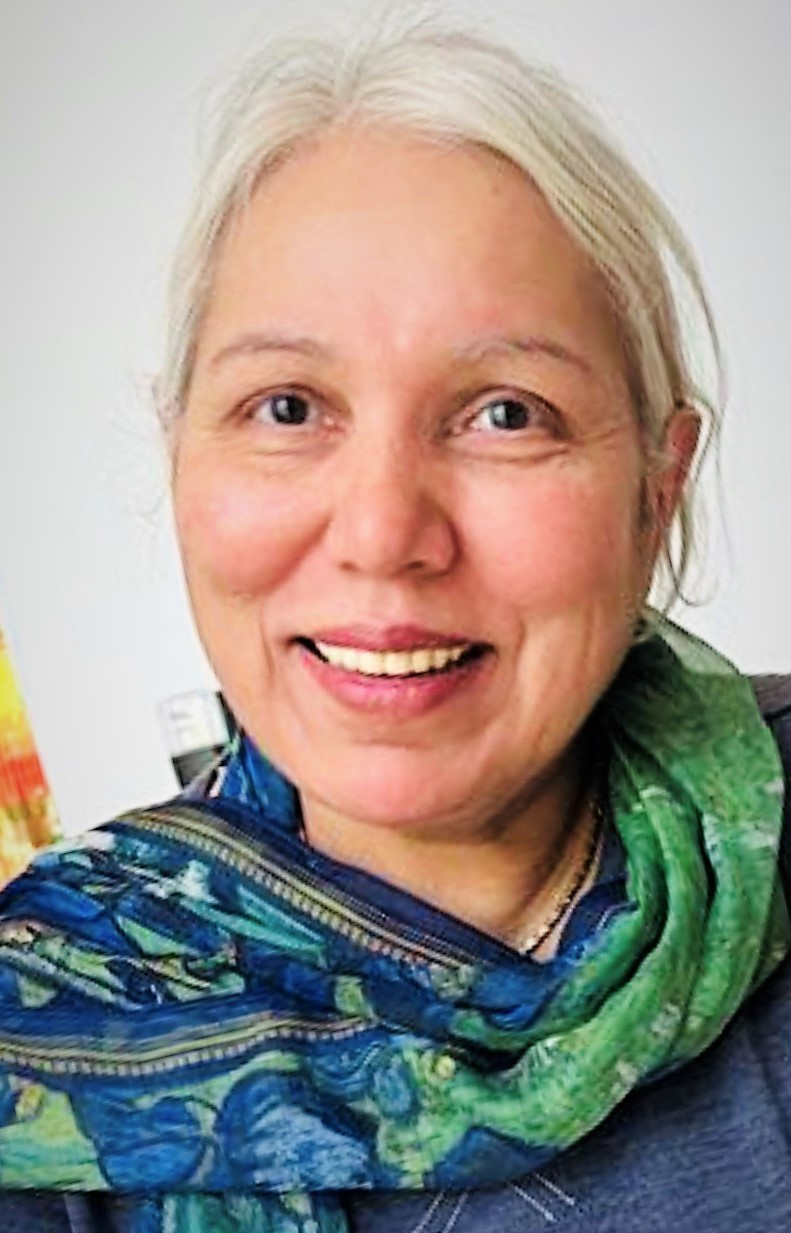
Rubeena Anjum

Climate Change 
 
a convoy continues in smog, time ends
the bright world around us no more exists
and high-rise cities thatched in thick soot mists
blind hostage sun―brown auburn storm descends
 
its climate change, fire till the end extends
when scrolls from scriptures sync with scientists
then death is man's act; rogue syndrome assists
red venoms pass through epochs; dusk transcends
 
cosmic debris hits iced rocks; rays spark sears
those sad stars out there who wish to swap lives
a wave stirs deep down; sprouts seed out of dares
 
who claims the earth; whales, dinosaurs, or bears
perchance, a hope; humanoid shape revives
what if it happens―sci-fi film draws scares

Return to Journal

Dr. Rubeena Anjum is an educator and a psychologist. Now retired, she enjoys reading and writing poetry. She is a member of the Richardson Poets Group and Dallas Poets Community. Her work has appeared in The Ekphrastic Review, The Bosphorus Review of Books, Artistic Antidote UMN Clinical Affairs, Corona Virus Anthology by Austin International Poetry Festival, Art on the Trails: Mending 2021 Chapbook, and Word City Literary Journal, among others. A poetry collection titled; My Photo Album is under print by Finishing Line Press.

WordCity Literary Journal is provided free to readers from all around the world, and there is no cost to writers submitting their work. Substantial time and expertise goes into each issue, and if you would like to contribute to those efforts, and the costs associated with maintaining this site, we thank you for your support.

One-Time
Monthly
Yearly

Make a one-time donation

Make a monthly donation

Make a yearly donation

Choose an amount

¤5.00
¤15.00
¤100.00
¤5.00
¤15.00
¤100.00
¤5.00
¤15.00
¤100.00

Or enter a custom amount

¤

Your contribution is appreciated.

Your contribution is appreciated.

Your contribution is appreciated.

DonateDonate monthlyDonate yearly
Revelations. a poem by Lori D. Roadhouse

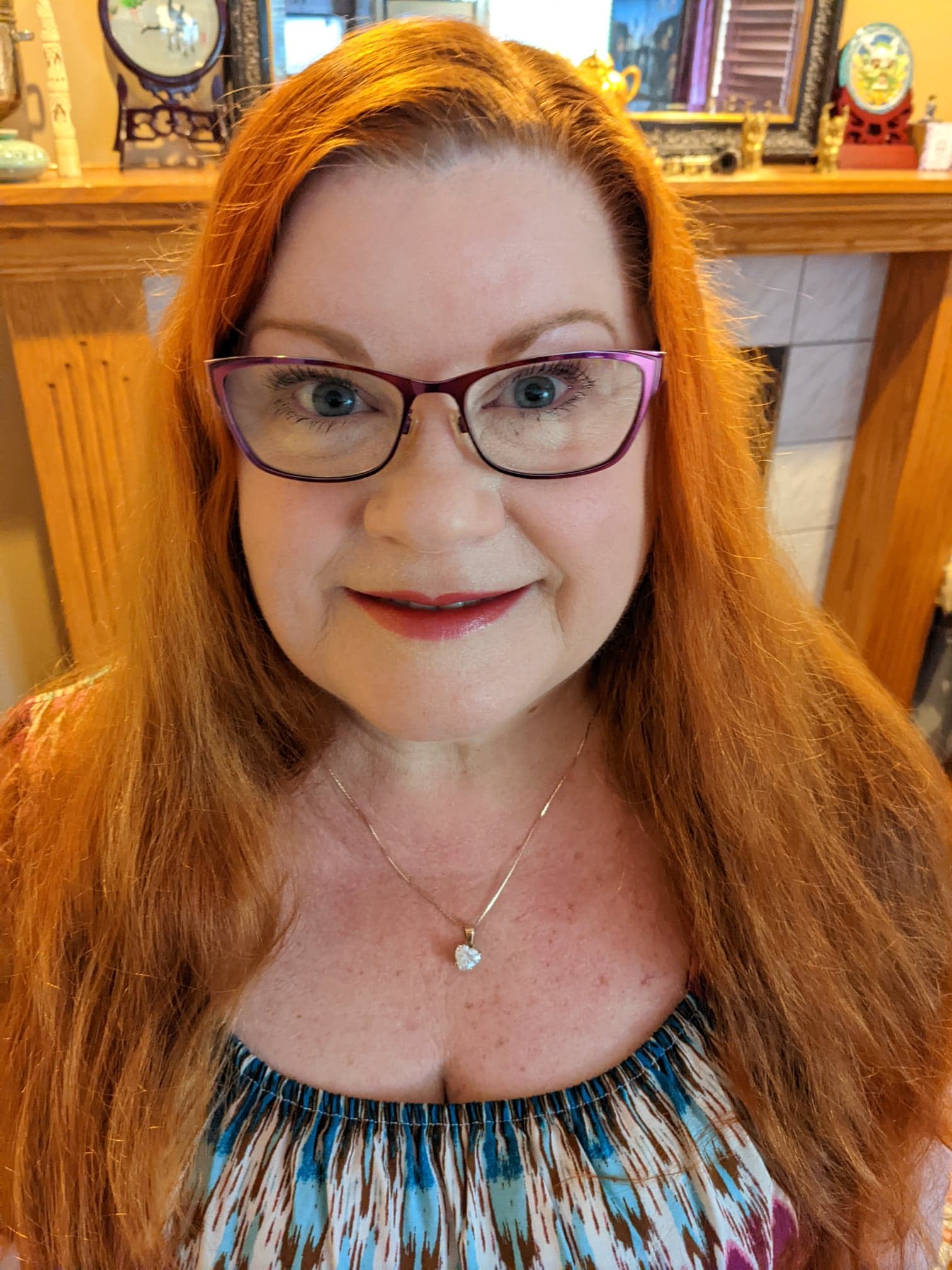
Lori D Roadhouse

Revelations

Creator wipes clean Her 
slate	     	shale		igneous,
shakes down Her
Etch-A-Sketch Earth 
and starts over,
admits (to no one left)
that She wasn’t perfect.
	
Oceans strip evidence
from the surface,			
mountains fall to cover 
the mess we leave 
as our 
sins	 	souls		selves
are erased.

Creator’s shame and mistake - 
Her failure - 
Gone.

The Sculptor
destroys Her experiment,
throwing Her clay
in howling hurricanes of anger;
in titanic tsunamis of grief;
in aching avalanches of agony;
Creator’s sorrow a
potent purgative.

Resigned and cleansed,
She begins anew,
takes earth up
in Her loving,
forgiving hands
to create again.

Return to Journal

Lori D. Roadhouse is a Calgary poet, writer, aphorist and singer.  She has been a member and supporter of the Writers’ Guild of Alberta, the Alexandra Writers’ Centre Society, the Red Mile Revenge poets, Passion Pitch Poetry and the Magpie Haiku Poets. She co-created the 2003 Writing Toward the Light Poetry Contest/Poetry Concert. Since 2007, Lori has been a Board member of the Single Onions Poetry Series. From 2008 – 2010 she was co-artistic director, performer and MC of Lotus Land at South Country Fair. She was the 2009 Poet in Residence for Radiant Lights eMagazine. She is a featured reader at a number of poetry and spoken word events and radio programs. Lori is a consulting editor of WordCity Literary Journal, curated by Darcie Friesen Hossack. She has been published in a variety of anthologies, magazines, newsletters, websites and CDs. Recent publications include: Tap Press Read by the Calgary Public Library and Loft 112; POP YYC, the project of Calgary Poet Laureate alumnus Sheri-D Wilson; WONDERshift, published by the AWCS; and the (M)othering Anthology, published by Inanna Publications in 2022.

WordCity Literary Journal is provided free to readers from all around the world, and there is no cost to writers submitting their work. Substantial time and expertise goes into each issue, and if you would like to contribute to those efforts, and the costs associated with maintaining this site, we thank you for your support.

One-Time
Monthly
Yearly

Make a one-time donation

Make a monthly donation

Make a yearly donation

Choose an amount

¤5.00
¤15.00
¤100.00
¤5.00
¤15.00
¤100.00
¤5.00
¤15.00
¤100.00

Or enter a custom amount

¤

Your contribution is appreciated.

Your contribution is appreciated.

Your contribution is appreciated.

DonateDonate monthlyDonate yearly
Our Sisters in Iran. a poem by Olga Stein

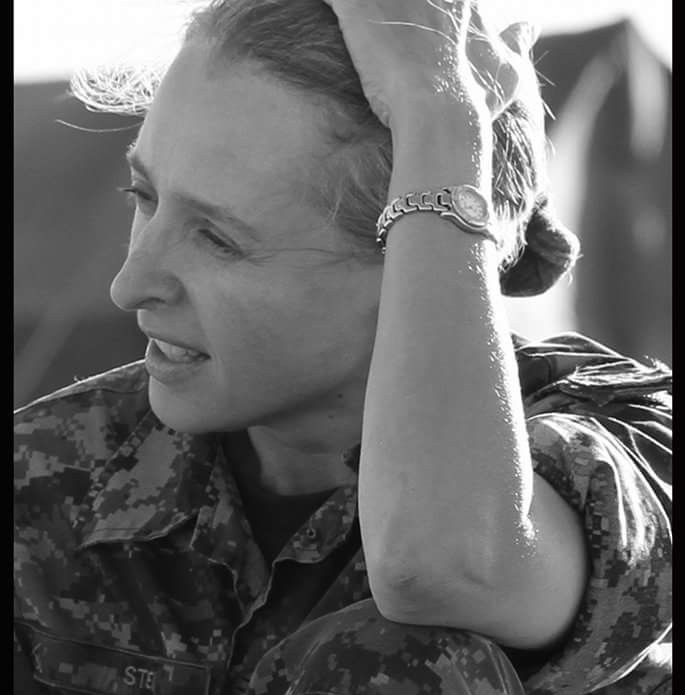
olga-stein89

Our Sisters in Iran

Why zip when you can zoom, beep when you can boom, rant when roaring is an option? Why bend when you can blare, or tiptoe around, or try to put out rage with quiet words instead of taking action? A moldering edifice needs bringing down. It won’t suffice to frown, or honk instead of howl, when lives are crumbling, and cruelty and lawless might are thrown in people’s faces.

Why turn a cheek? Speak, shout, kick! Don’t simmer, boil! Brawl, don’t bleat. Do everything that hurt and outrage call for. Don’t whimper, be that gust of wind. Knock power off its feet, and force it to rescind its life-denying formulations. Don’t yield. Defy intimidation. Don’t blindly follow dictates or bow to commination uttered by self-appointed surrogates of Argos.

Throw words like sand into your watchers’ eyes. They’re not the eyes that matter. Ergo, it’s better to breathe in, grow large, and call out with a steady voice, than to capitulate or waver. Their condemnation isn’t worth a hoot. Their argument with you is moot, since freedom is sacred, and like breath is due to every man and woman.

Take steady breaths, then take your stand. Don’t teeter or bend, upend instead, and tear the rot up by its roots. Don’t run or rein back your frustration. Take arms against tormentors. What’s more, don’t hide the beauty of your locks. Blazon your worth, then burn each symbol of oppression.

Return to Journal

Olga Stein holds a PhD in English, and is a university and college instructor. She has taught writing, communications, modern and contemporary Canadian and American literature. Her research focuses on the sociology of literary prizes. A manuscript of her book, The Scotiabank Giller Prize: How Canadian is now with Wilfrid Laurier University Press. Stein is working on her next book, tentatively titled, Wordly Fiction: Literary Transnationalism in Canada. Before embarking on a PhD, Stein served as the chief editor of the literary review magazine, Books in Canada, and from 2001 to 2008 managed the amazon.com-Books in Canada First Novel Award (now administered by Walrus magazine). Stein herself contributed some 150 reviews, 60 editorials, and numerous author interviews to Books in Canada (the online version is available at http://www.booksincanada.com). A literary editor and academic, Stein has relationships with writers and scholars from diverse communities across Canada, as well as in the US. Stein is interested in World Literature, and authors who address the concerns that are now central to this literary category: the plight of migrants, exiles, and the displaced, and the ‘unbelonging’ of Indigenous peoples and immigrants. More specifically, Stein is interested in literary dissidents, and the voices of dissent, those who challenge the current political, social, and economic status quo. Stein is the editor of the memoir, Playing Under The Gun: An Athlete’s Tale of Survival in 1970s Chile by Hernán E. Humaña.

WordCity Literary Journal is provided free to readers from all around the world, and there is no cost to writers submitting their work. Substantial time and expertise goes into each issue, and if you would like to contribute to those efforts, and the costs associated with maintaining this site, we thank you for your support.

One-Time
Monthly
Yearly

Make a one-time donation

Make a monthly donation

Make a yearly donation

Choose an amount

¤5.00
¤15.00
¤100.00
¤5.00
¤15.00
¤100.00
¤5.00
¤15.00
¤100.00

Or enter a custom amount

¤

Your contribution is appreciated.

Your contribution is appreciated.

Your contribution is appreciated.

DonateDonate monthlyDonate yearly
Don’t Use I. a poem by Jana Tzanakos

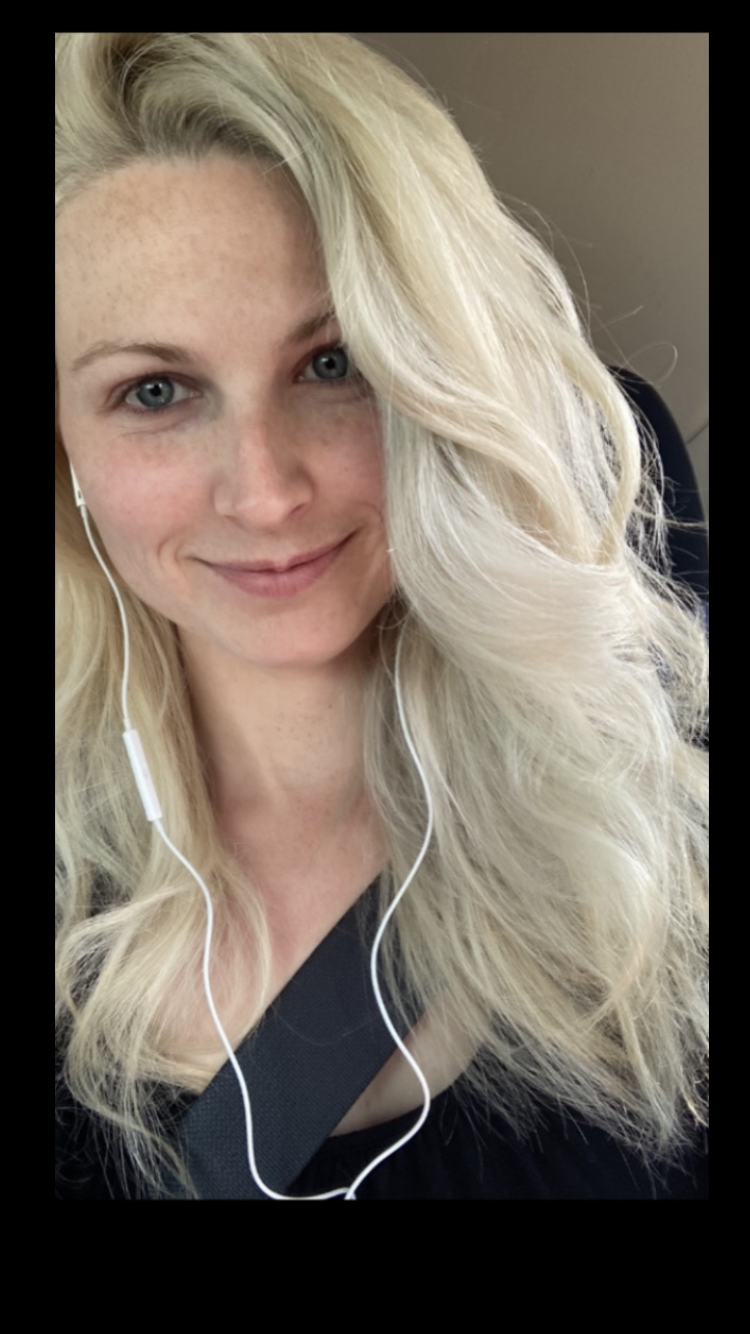
Jana Tzanakos

Don’t Use I 

Some days hurt consumes you
Latches on, paralyzes, numbs, refuses release
You sit for minutes that feel like hours
Staring at the wall
You are whisked into the past

Stuck now

Feel like the future doesn’t exist
Talking to yourself to calm you down
	
You realize they are trying to settle now
those boys you slept with when you were 16
those boys who most likely never left 16

They text you now
They call

You block them

Because you’ve blocked yourself away 
from the hurt

but sometimes 
you long to feel it again
to cry in an alley with dirt and gravel between your fingers
that time one of them pushed you into the dirt
and you fell farther than the ground

that time you wanted to end it all

You don’t drink anymore, haven’t in years
You realize these events would now only interest you in a movie 
So that you could relate somehow
And to experience it again would probably end you
But beginnings usually hide at the ends
And you’re still not quite sure 
What exactly Love is supposed to be
But you’re more okay with it now
Than you were before
The only thing you know for sure about Love is 
That it is the child you gave birth to

you touch lives in dreams
fingertips on chest bones
lips on the crease of your neck
necks that lead to head; lips—

Nevermind

You realize now that Love doesn’t always live in electric bodies
You can’t always be plugged in
And part of you is still lying in that alley with gravel between your fingers

Part of you is still in that basement your father locked you and your brothers in as a child
with only a toilet and a rusted sink behind a curtain to go to the bathroom
and he took away the phones so you couldn’t call your mother

Part of you is still a child standing on the porch 
as your father is trying to convince you to eat dog food 
because it is cheaper than groceries

Part of you is still passed out in a stranger’s bed
Part of you still screams for acceptance
and it still feels like that may never be possible

Part of you still feels worthless

But it isn’t academic to tell people that though 
“Don’t use ‘I’”
So you do your best to block the past—move forward
Find somewhere maybe you are valued—maybe. 
Somewhere to learn
You keep people at a distance so that they don’t hear the screaming
You are still trying to settle
Despite marriage
Despite being a mother 
Despite a degree

Still longing for connection
With yourself more than anything
And I wonder if Love will ever settle for me.

Return to Journal

Jana Tzanakos is originally from Saskatchewan but now resides in Calgary, Alberta. She is a fifth-year student at Mount Royal University. She is an English major with a Creative Writing minor. Jana loves spending time with her family, playing pinball, exercising on the treadmill in her pajamas, and taking trips out to the mountains even though she is still terrified of bears. She believes writing is a form of healing and a great way to analyze things that are difficult to overcome or confront. Jana has been a part of the Creative Writing Club and the Film and English Student Society at MRU.

WordCity Literary Journal is provided free to readers from all around the world, and there is no cost to writers submitting their work. Substantial time and expertise goes into each issue, and if you would like to contribute to those efforts, and the costs associated with maintaining this site, we thank you for your support.

One-Time
Monthly
Yearly

Make a one-time donation

Make a monthly donation

Make a yearly donation

Choose an amount

¤5.00
¤15.00
¤100.00
¤5.00
¤15.00
¤100.00
¤5.00
¤15.00
¤100.00

Or enter a custom amount

¤

Your contribution is appreciated.

Your contribution is appreciated.

Your contribution is appreciated.

DonateDonate monthlyDonate yearly
Sweet Caporal. a poem by Mitchell Toews

Toews

Sweet Caporal 
 
A seagull stands poised on one webbed foot. 
Its clawed toes grip the granite hump in the nautical dawn light. 
Preoccupied with breakfast, if not survival, the gull is indifferent to me as I walk out onto the      
fishing rock. 
Several other gulls gather to stamp their feet—as if in anger—on the mossy ground down by the little bay. 
Nightcrawlers mistake the gull stomps for the sound of rain and slither out of the dirt.
Sneaky buggers, them gulls.

I don’t blame them for ignoring me. 
What could be less interesting than a skinny kid in a red and black Mackinaw jacket?

Weak chop disturbs the surface of the lake—a slight frown on the water. 
Clouds in layers slide by, inexorable, the lower levels heavy with rain and passing faster than those above. 
Or so it seems—a parallax view.
Granular snow bits from way up high play in the air, taking fidgety, irregular paths down to become a part of the hungry spring lake. 
I wonder about how long it takes them to fall.

Old Chester is already there, seated on his favourite log. 
He shows me how to skewer a minnow on the hook. 
He explains in a rumbling voice why the hook is twisted; snelled. 
Function follows aquatic form in the architecture of fishing. 
It seems cruel, even with the shiner frozen and long-dead, as the slender brass slips down the throat, out the gill and back in under the salty spine.

Chester speaks with his hands, showing me the hooking technique, saying aloud only the part about, “that’s why the hook is crooked.”
“Crookt,” he says; just one syllable. 
Then he shows me the way to tie the line to the leader. 
Crowned, nicotine-brown fingernails pinch like a snapping turtle beak and pull the knot taut. Chester tugs twice making the line vibrate with a faint musical hum.
“See?”

And so we fish. 
The depressed economy of words suits us fine, sitting and watching the lines angle out, the point where they enter the water constantly shifting and restless. 
The lead bell weights sit far below, holding the bait steady, just off the bottom.
Our shiners stare with sightless, gelatinous eyes in the gloom. 
The rod tips nod above them like jazz lovers, keeping the syncopated beat of the morning chop; the wind conducting.
If you stare at a rod tip too long it goes in and out of focus. 
Then you close your eyes and a negative image is instantly projected on the back of your eyelids—a monochromatic memory that fades to black.

Smoke.
It curls in the air and is pulled apart in languid white fronds by invisible hands. 
It is Sweet Caporal tobacco in Export “A” rolling papers expertly assembled by Chester’s clever fingers which are adroit despite their bratwurst shape. 
I notice dirt caked into the many cracks in his skin. 
The look of it made me think of pictures of henna tattoos in the National Geographic but this was wilder, as unpatterned as the forest around us.
The tobacco smoke smells like Winnipeg to me—like the bus depot where Aunty Shirl picks me up for summer visits, her sparkling eyes and dimpled face a bright beacon in the hazy terminal.

“Want one?” Chester asks with a roll-your-own bobbing in the corner of his thin-lipped mouth. He is a sudden confederate, with me only fifteen years old. 
Small for my age—had not grown out yet.
“How do you make ’em?” I say.
Silently, he reaches for the pouch of tobacco and the pad of rolling papers tucked in the pocket of his army parka. 
His thick hands do the fabrication, robotic and precise. 
Casually efficient and nimble from practice, he slips the finished cigarette into a breast pocket for later.

“Now you,” he says, handing me the makings. 
I snatch a glance towards the path from where Dad might emerge, coming to check on me, or to say, “Izzy, come and eat.”
Chester’s eyes understand and they squint a bit—a silent communication.
He lays down a round-edged, silver lighter beside me with a tinny click. 
I roll the cigarette, copying his technique and licking the glued edge to finish. 

Just then, my fishing rod jumps. 
A jut-jawed male, I’ll bet, down twenty feet and eager to get to the spawning grounds.
Twisting towards the rod, my boots skid on the ancient lichen covered pluton and I drop my unlit smoke.
The fishing line draws a sudden, tiny wake where it pierces the surface; a pencil mark etched on the slate top of the water, soon to disappear.
Scramble. Down to the dark edge. Grab the rod. 
Then, without warning, there’s Dad’s big voice behind me followed by Chester’s nonchalant reply.

I freeze in a Mackinaw Tai Chi pose, tip held high to keep the line tight.
Set the hook: Snap! 
Sneak a look: Two stocky men, Dad’s collar is up, hands pocketed. 
There is the cigarette I rolled. 
It peeks out—just the twirled white tip showing—from beneath the toe of Chester’s wry gum boot. 
The lighter rests nearby, eager to give damning testimony, I fear.
I study Dad’s face, temporarily ignoring the persistent, annoyed tugs at the end of the line.

Then back up the slope to them with the quivering pickerel. 
A male, round bellied with milt accompanies me to the witness stand.
Ascending slow and wary, I look for signs—how they stand, what they say.
My fingers are stiff with cold from the May lake water, palms red and flecked with clinging silver fish scale. 
What? Why don’t they speak?
Then Dad bends down to pick up the lighter and flips it casually to Chester.

Chester makes a hammy hand basket to catch it with a nod.
He is Buddha with a snelled smile painted upside down on his face. 
India ink rims sparkling eyes—quarter moons that lie on curving backs.
Crow’s feet decorate the corners of Dad’s laughing grin, in mirthful triplicate.
His lakeshore weekend happy gaze probes my doe stare, looking for an opening.
“Breakfast time, Isabel. Bring the fish,” he says, pausing to toss a wink at Chester. 
“We’ll smoke it later.”

Return to Journal

Mitchell Toews is a three-time Pushcart Prize nominee and has published in various journals, anthologies, and literary prizes. Mitch and Winnipeg publisher At Bay Press will release a collection of short stories, “Pinching Zwieback: Made-up stories from the Darp” in 2023. The themed collection focuses on the author’s Mennonite heritage. Mitch and his wife Janice live in semi-bliss, in a cabin, in the boreal forest, beside a generally cheerful lake.

WordCity Literary Journal is provided free to readers from all around the world, and there is no cost to writers submitting their work. Substantial time and expertise goes into each issue, and if you would like to contribute to those efforts, and the costs associated with maintaining this site, we thank you for your support.

One-Time
Monthly
Yearly

Make a one-time donation

Make a monthly donation

Make a yearly donation

Choose an amount

¤5.00
¤15.00
¤100.00
¤5.00
¤15.00
¤100.00
¤5.00
¤15.00
¤100.00

Or enter a custom amount

¤

Your contribution is appreciated.

Your contribution is appreciated.

Your contribution is appreciated.

DonateDonate monthlyDonate yearly