WordCity Literary Journal. November 2021. Issue 12

Table of Contents

Letter from the Editor, Darcie Friesen Hossack

This image has an empty alt attribute; its file name is 404e353f3ba24298aacbefccc86b2cb3.jpg

Welcome to WordCity Literary Journal’s November 2021 issue. If you visit this space often, you will have noticed that our back issues, which first appeared on Time of the Poet Republic, are being reproduced here, on our dedicated site. We hope that Mbizo Chirasha is soon able to safely resume his work at Time of the Poet, but assure all of our WCLA contributors that the final four issues from there will arrive here soon. It’s slow and painstaking work, but work to which I am devoted.

Meanwhile, here in Canada’s Northern Rockies, winter has arrived, even if not on the calendar. Snow is softly falling, and there’s a quiet that makes the world feel softened. It makes it easy to forget so many things, like the Covid-19 wave cresting in Europe, or the lack of available vaccines in developing nations. In British Columbia, the westernmost province of my home country, where I lived for 25 years, there is massive flooding, which follow a summer of wildfires, both caused by climate change.

A few weeks ago, I was able to spend time with family here in Canada, where we are fortunate to have enough vaccines for everyone. And yet, while anti-vaxx beliefs are not as rampant here as in some other places, I found myself sitting outside with many of my loved ones, trying to keep a distance, in sorrowful deference to their choice to remain unvaccinated.

At the time, hospitals in my home province were overwhelmed with Covid-19 patients. Surgeries and other life-changing and life-saving procedures had been postponed indefinitely. The Alberta government had acted too slowly and too reluctantly to curb the disease. People were dying, and misinformation was as much to blame as the virus itself. I’m not afraid to say that I worry my loved ones will be next.

Here in the snow, in the quiet, it’s easy to forget, even if just for a moment.

Reading can be a similar type of escape. Even reading this issue, which importantly and necessarily features so much else of the human experience.

In this moment, however, I’m going to ask us all to remember. Remember our neighbours and loved ones who have been lost in these last many months. Remember the ones still with us, especially those most vulnerable. Remember climate change is already here and needs to be slowed. Remember to act and vote for change. Remember to get vaccinated. Remember the gatherings we’ve missed and may miss again these coming holidays. Remember ourselves and all the life we have yet to live. Remember, please, to take care of each other, and not let fear or denial take away anyone or anything else.

Remember.

Now, though, I turn the rest of this space and its accompanying pages over to WordCity Literary Journal’s editors and contributors, and I do so with gratitude for their work and their trust in this publication.

Thank you for reading.

Sincerely,

Darcie Friesen Hossack


Fiction. Edited by Sylvia Petter

A theme that has appeared for this issue that winds up 2021 is a certain nostalgia, with the past always sneaking into the present in the work of writers from a variety of backgrounds expressing their individual empathies.

First up is a piece of flash fiction by Annie Bien, Before I see You Again, which is an excerpt from her upcoming flash novel, Rain at Fragrant Harbour.

Then we have a longer piece by Dave Kavanagh, Walking My Father Home, in which a father is remembered not without an element of surprise.

A father also figures in Pat Jourdan´s Salad Days with a roast that binds families and neighbourhoods.

A past love returns, as memory wobbles in Marcelo Medone´s story, Cobalt Blue Eyes.

Paul Germano´s story, Erie Boulevard, left me wondering why we often fail to learn from the past.

Transcendence by André Narbonne deals with the tricks memory can play, while in Douglas Mallon´s Gone a past love hallucinates far beyond the flesh.

Finally, a piece of flash fiction entitled Wolves by Olga Stein, juxtaposing past and present “human” interactions, yet ending with a glimmer of hope.

Annie Bien

ABien_@Nicholas Vreeland[1]

Before I See You Again

He ran—on the loudspeaker, “SQ 63, gate E7, now open for boarding”—his shoes tapped the floor—not her flight, there’s still security—an old couple appeared in his path, the husband helping his wife into a wheelchair, dim sum pastry bags swinging on handles—the older man’s eyes widened seeing him, would he knock them over?—he swerved, the scent of mothballs rose from the couple’s rarely worn wool suits—an image appeared of his mother handing him folded maroon cloth for his new monastic life, her hands cradling his face, Ama-la, I promise—the old woman shouted just as he passed, her wheelchair rolling away, he grabbed her before she fell. “Ai-ya, so strong! Just like you were once, husband, this good boy!” Cold hands patted his cheeks. He lifted her into the wheelchair as Husband nodded, “Ho! Ho!” crying out in Cantonese, they praised him mixing languages, “Good! Good! Strong young man,” “Handsome like you once, Husband!”, “Haha! Ho! Ho! Thank you! Faidi, Faidi, hurry, don’t miss your plane—”

Continue Reading…

Dave Kavanagh

Dave-Author-Photo copy

Walking my father home

I have cousins who hated their fathers, I never did. I never went hungry because my old man had spent a week’s wages in the pub on a Friday night. I was never belted for looking at my Dad the wrong way when he was pissed, but I did live close to those realities.

I have cousins who knew the humiliation of both hunger and abuse, and at one time, I envied them. I was jealous because their parents laughed or roared or raged. My father did none of those things; he simply got on quietly with the business of living and eventually the business of dying.

Da came from a family that were either staunch pioneers or belligerent alcoholics. Of eleven brothers and two sisters, he was the only one who seemed capable of indifference  to drink;

Continue Reading

Pat Jourdan
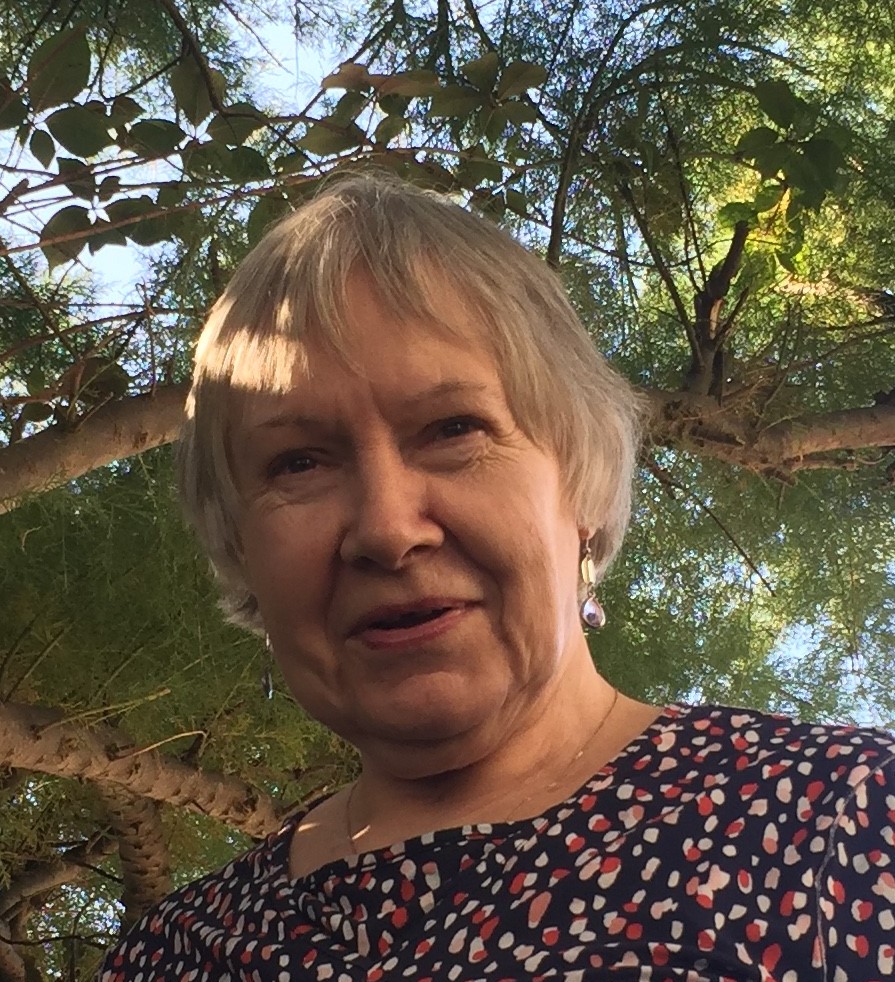
Pat Jourdan

Salad Days

Lettuce leaves, like cockle shells layered on each other, circled the edges of the plate. Coming round from the opposite direction were slices of ham. Tomatoes, beetroots, and cucumber slices filled in the middle space. Sometimes there were also halves of boiled egg. It was all held together by large dollops of thick Heinz salad cream. A glass bowl of onion rings in vinegar (mother’s favourite touch) stood in the centre of the table to add at will. A fleet of bread and butter spread across a large plate.

But Sundays were different. We had a proper roast.

Continue Reading…

Marcelo Medone
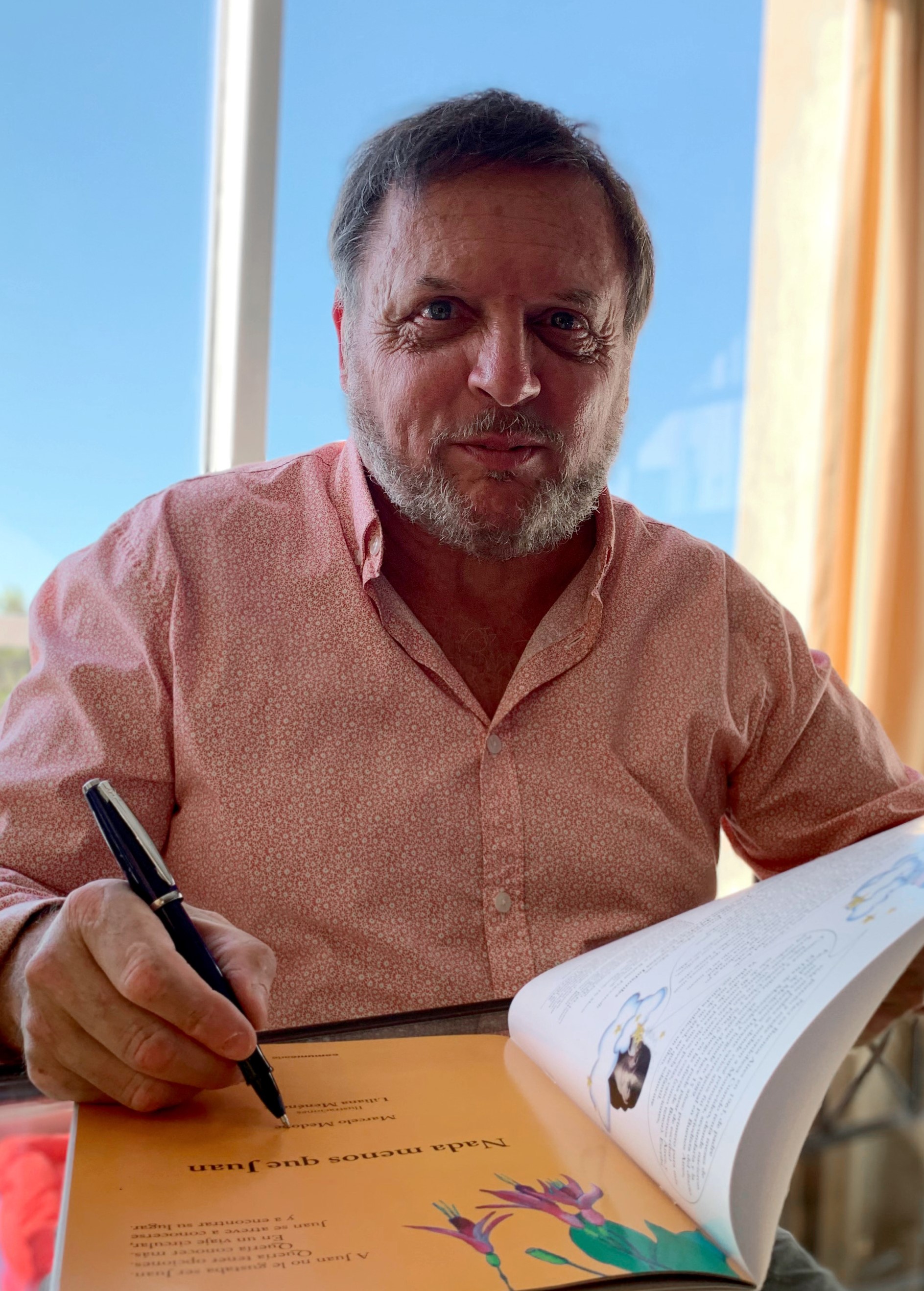
Marcelo Medone photo Word City Lit

Cobalt Blue Eyes

                                                         The afternoon has cleared up at last
                                                         And the rain is thoroughly falling
                                                         Or maybe it fell. Rain is a thing
                                                         That indeed happens in the past.

                                                         Jorge Luis Borges, The Rain

It had been a long time since I went to parties. I secluded myself in my beach house and took up painting, a hobby that I had neglected for decades because of my job as a literature teacher. For years, I tried to imbue my students with the benefits of critical reading of universal classics and the correct use of metaphors, oxymora, pleonasms, hyperboles and the flow of consciousness in monologues.

Most of them were excited to hear me talk about Hemingway’s iceberg theory, which says that a good writer should not show or explain absolutely everything, as happens with that semi-submerged ice mountain that leaves only a part of the whole in view, with most of its volume hidden below the surface of the water. I even drew the iceberg floating on the ocean, as if it were stalking the Titanic.

Continue Reading…

Paul Germano
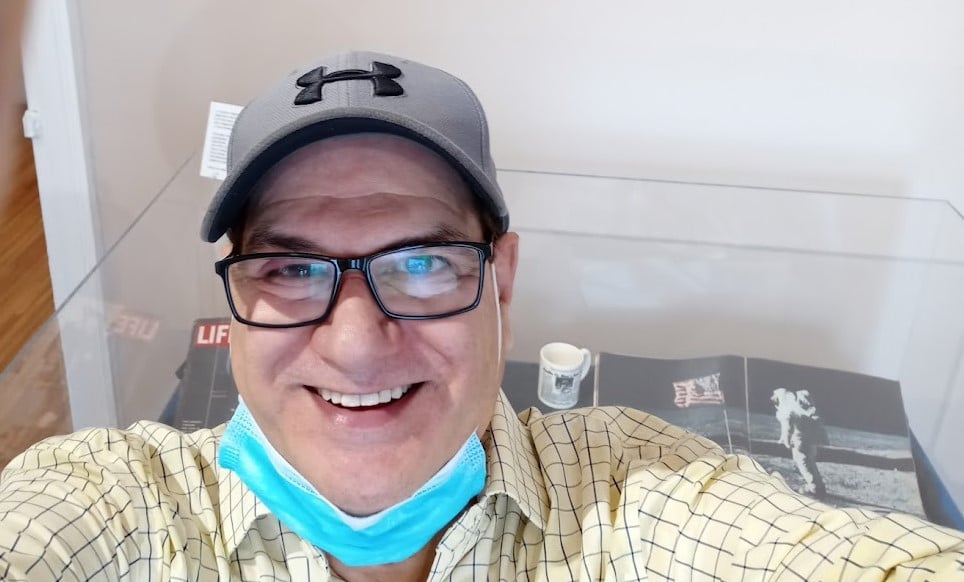
Paul Germano

Erie Boulevard

After celebrating their sixth anniversary with a hearty meal at the Denny’s over on Erie Boulevard, Ed Pruitt is behind the wheel of his Honda Civic with his wife Bonnie at his side, driving on the boulevard at a furious speed, with blaring sirens in fast pursuit.

 “What’s wrong with you? Slow down!” Bonnie shouts in a panic.

Ed laughs and scratches at the side of his face. “Cops can’t give me a speeding ticket if they can’t catch me.”

“Speeding ticket? I’m not worried about a damn speeding ticket!” Bonnie shouts, her voice still in a panic. “Stop the car! Please Ed, just stop the damn car before you kill us both!”

“That’s the plan sweetie, that’s the plan,” Ed says, a bitter smirk spreading across his long narrow face.

Continue Reading…

André Narbonne
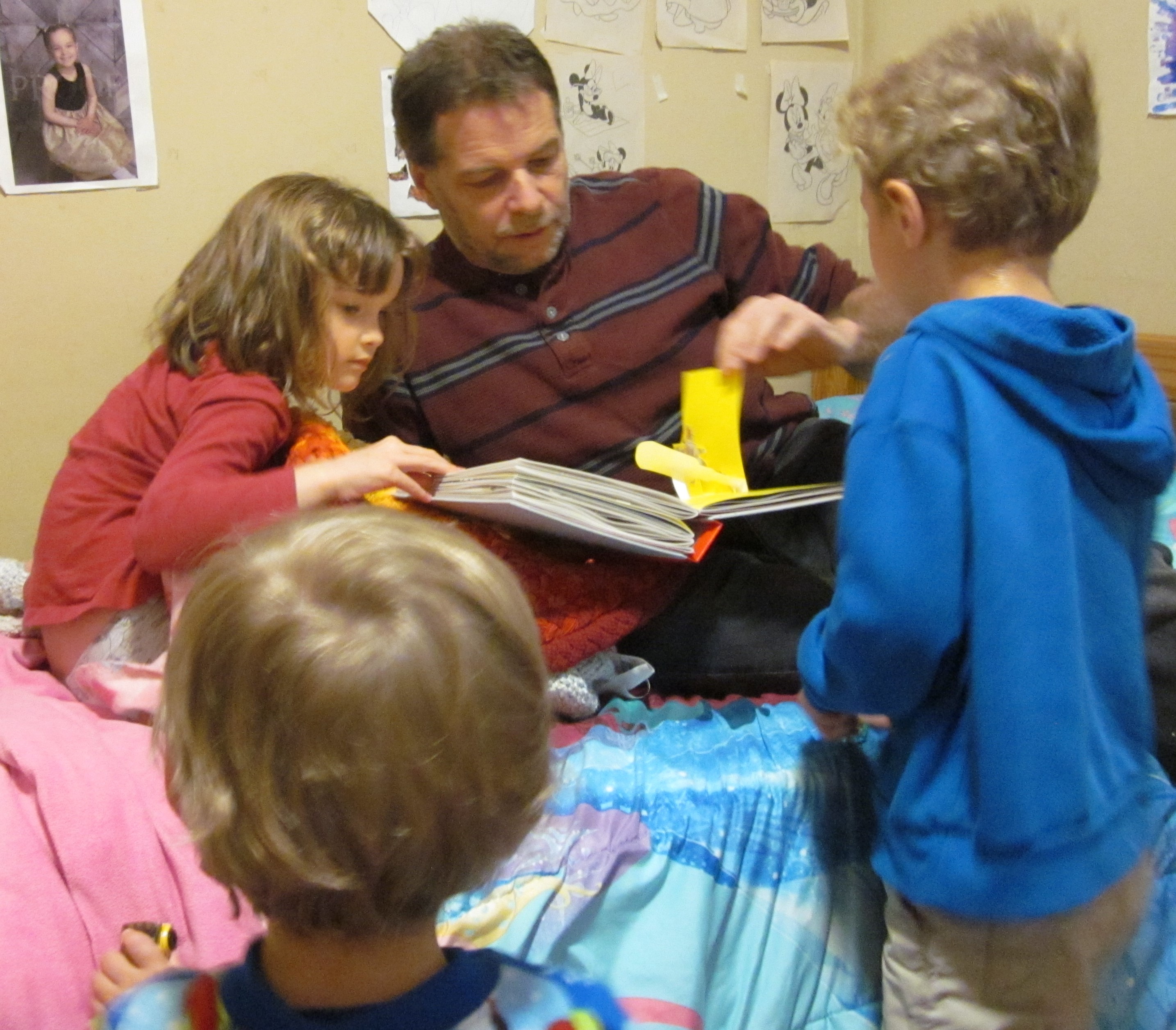
Andre Narbonne 2021 readig le petit prince

Transcendence

Erie is no joke. A Janus lake—calm and tempestuous, wildly unpredictable—it was the lake that gave me the story I’ve been telling myself for years in defence of my otherwise lifelong pursuit of complacency.

For three summers I traveled the Great Lakes to the sort of backwaters tourists don’t mark on maps. I worked on shoebox ships for poor wages as an engine room cadet. On graduation from a satellite college with a degree in marine engineering, I went to the M.O.T and wrote my ticket, but I knew I’d never hack it. A career in seasickness is no life. Instead, I took a position offered by an uncle in a Toronto bank. And when it was over—my fling with the romantic life—I couldn’t say I missed any of it except Erie, and not for the lake itself but for a woman who’d seen something in me.

Continue Reading…

Douglas Mallon
dougmallon

GONE

Got the rent – thank God. Just paid it. Eighty bucks left over to last me until next payday. My soul was smiling as I walked to the bank to get the cashier’s check that would keep the roof over my head for another thirty days. Life ain’t so bad, you know? I mean yeah, I’m broke— what’s new? But I’m here in sunny Southern California, on this beautiful day, with palm trees towering over in all their splendor.

About half a block ahead an attractive thirty-something couple walk arm-in-arm. The guy’s massaging the girl’s back. As always, I try to assess, based on their body language, whether or not they’ve fucked yet. He’s got his arm tightly around her shoulder, but she isn’t leaning into him. Hmmm.

Continue Reading…

Olga Stein

OLGA STEIN89

Wolves

“The better to eat you with,” the man replied after I told him that he had nice teeth. This surprised me. He didn’t look like one of the hunter types, the regulars I’d been seeing in the bar. I had noticed while making small talk with him that he didn’t have their hard look, their obvious piercing need. I said nothing, didn’t smile. I wasn’t obligated in any way, as far as I was concerned. Anyway, what would be the point of performing any part of the usual ritual. Anyone could see that I wasn’t young. Besides, it was clear to me that he wasn’t trying to chat me up for the usual reasons. He was too tame, I decided.

“I’m not here to get acquainted,” I said. “I came down for a drink. I live in one of the burrows upstairs. You should try your luck with someone else.”

Continue Reading…

Non-fiction. Edited by Olga Stein

Mehreen Ahmed
Mehreen

Toads on Lily Pads

Our house was situated on a hill known as the Dev Pahar in Chittagong. There was a pond next to our house down by the valley. I would often go out for walks for fresh air each afternoon; my favourite trail was around this pond.

The pond was surrounded by tall trees and bamboo tresses. A great many toads sat on innumerable lily pads on the surface of the pond. They leapt sprightly in and out of the water, legs splayed, and sat back upon the lily pads. The greenery around the pond was spectacular, especially on a rainy day. The leaves trembled, as the rain dribbled over. It was a summer’s rain. Raindrops also dribbled over the lily pads, where the toads had sat. They sang, serenading the rain. The rain responded. Then it performed a dance — the rain and the pond together, nuanced, choreographed. The pond dimpled, chuffed by this delightful duet. Nature woke up in a festive moment. The leaves of the bamboo shone in the rain, as did the young shoots beginning to open up.

Continue Reading…

Books and Reviews. Edited by Geraldine Sinyuy

Gordon Phinn

GordonPhinnPhoto

Often, as readers, we can be disappointed in the film adaptations of fine literary texts.  The compromises necessary to the genre switch can easily upset the apple cart of our language centered pleasures, replacing them with rapid fire imagery unsuited to our own imaginings.  Of course, there are cases where the opposite is true: low brow fictions transformed into art by inspired script writers and  passionate directors.

     This season I was fortunate to uncover two examples of great art brought forth from fine literary  endeavours.  John Preston’s The Dig, a short but penetrating novel from 2007 retelling the details of the famous Sutton Hoo archeological discoveries in the Norfolk England of 1939.  With Ralph Fiennes and Carey Mulligan leading a well oiled ensemble through the character conflicts and power struggles over the almost perfect though skeletal thousand-year-old remains of an Anglo-Saxon burial ship, the evocation of a well trodden era of British history is as good as can be expected, given the previous cliches of brave Brits facing the dark onslaught of ruthless Nazi power.

Continue Reading…

Literary Spotlight and Editorial Epiphanies. By Sue Burge

Literary Spotlight. Featuring Mona Arshi
HEAD sHOT K HELLER high res

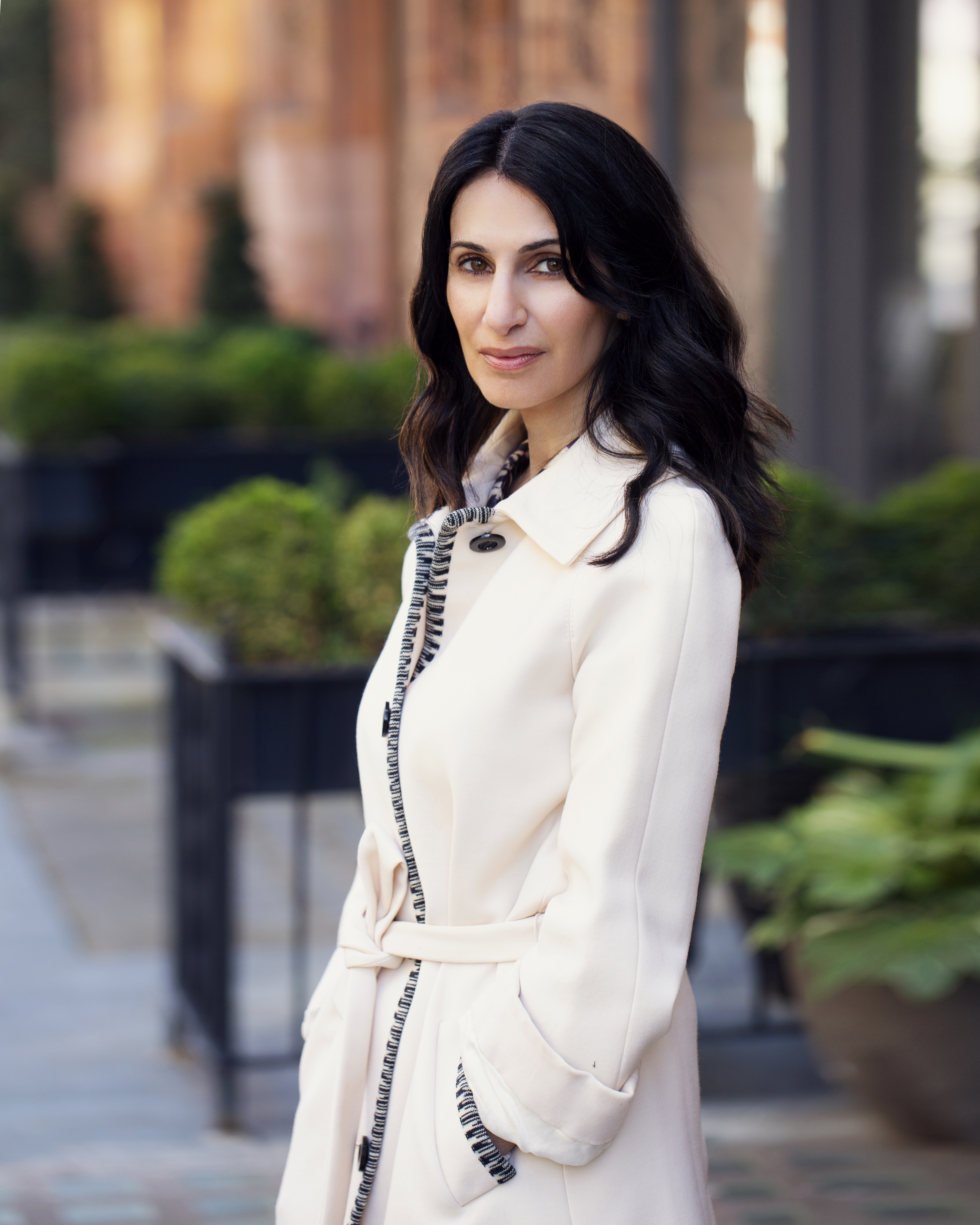
This month I am absolutely delighted to have the opportunity for a conversation with Mona Arshi, a highly respected UK poet, novelist and Human Rights lawyer.  I was so excited when I read that Mona was to have a poetry residency with the Norfolk Wildlife Trust at Cley-next-to-Sea, a wild and windswept nature reserve amidst the saltmarshes on the North Norfolk coast in the UK. You can find out more about this very special environment here:

https://www.norfolkwildlifetrust.org.uk/wildlife-in-norfolk/nature-reserves/reserves/cley-and-salthouse-marshes

It’s a place I have known for decades so I couldn’t wait to see Mona’s take on it.  I wasn’t disappointed!  The poems she has created for Shifting Lines, a multimedia installation situated both at Cley and on-line, are extraordinary.  They are full of delicacy, echoing the fragile landscape, but also contain some robust yet subtle statements about climate change.  Mona, how did this project come about?

Hello and thank you! I feel so very fortunate to have been commissioned for this really unique project. My link to Norfolk is through my master’s in creative writing which I studied 10 years ago at the University of East Anglia. The team at UEA decided to celebrate 50 years of the creative writing MA by creating a project called Future and Form. The idea was that former UEA alumni, (including novelists, short story writers and poets) were paired with a digital team and with a venue partner. I was designated as writer in residence at Cley and worked with the team called Mutiny. I have to say that I didn’t know Cley at all and was not familiar with the landscape. It’s also the first time I’ve collaborated with other artists in such a far-reaching project. I’ve worked with dancers and musicians for one-off pieces but this was very different. When I confirmed the residency it was before Covid. The idea was that I would spend as much time as possible on the marshes and speak to visitors and those who knew the landscape like the back of their hand. The Project began in March 2020 but with Covid and the lockdowns the reserve was out of bounds for months.

Continue Reading…

Editorial Epiphanies.
Featuring the editors of WordCity Literary Journal

The first piece of advice comes from Managing Editor Darcie Friesen Hossack and is a fascinating take on structure:

404e353f3ba24298aacbefccc86b2cb3

My first writing teacher was Giller-finalist Sandra Birdsell. After a desperate struggle with my short stories, Sandra told me to look at everyone and everything contained in them like a lawyer seeking truth at trial (or at least like a lawyer seeking a version of the truth!). She instructed me to cross-examine each character, each scene, action, item and colour until I understood how and why they all belonged. It was the beginning of an awakening for me, because after a few successful stories, and not knowing how I had made them work, I now had a method to understand what I had done and needed to do again. I still use Sandra’s advice, although instead of a legal framework, I tend to look at storytelling through the lens of a journalist, asking Who, Where, What, When and Why as I write. Why is always my favourite, and the deepest, well to draw from.

Continue Reading…

Poetry. Edited by Clara Burghelea

Adrienne Stevenson
Adrienne Stevenson

Pollinators

there's widespread interest in my flowerbed
as long summer days unfold
black and yellow swallowtails hover around dill
orange and black monarchs embrace milkweed
their respective caterpillars munch and move on
to chrysalise and metamorphose
while pullulating swarms of bees
teem around calendula and zinnia
dive into welcoming mouths
of aubergine and courgette blossom

Continue Reading…

Irina Moga

Irina Moga 2021

Talaria 

I

Then he fitted me with talaria,
:: Mercury’s sandals,
–	straps made of iron and copper,
rust dispersing quietly over wings.

Wings made from 
fragments of small birds
 – their heads,
bones, feathers, severed aimlessly 

:: faint morning whistling and songs,
ruptured,
trickling, amid drops of blood, over my ankles. 

As I moved.

But what is movement made of? 

Continue Reading…

Robert Beveridge
Robert Beveridge

DIVINITY

in our innocence we prayed
wrapped our words in mystic cloaks

yearned to open ourselves
to something greater something more

our words were not enough
so we invented languages

cut back the branches of the forest
and set them ablaze

body to body
mind to mind

we learned to fuse
the corn syrup, the egg whites

Continue Reading…

John Grey
John Grey

TO CREATION

Creation gave us the eagle and the snake.
From myths, celestial waters mingling with
	the oceans of the Earth.
Evaporation happens between worlds,
leaves the flowers stiffened and the clouds drooping.
Some drops stay behind in tiny rock-bound wells.

The eagle can take wing and quickly disappear.
The snake slithers beneath heaps of stones.
Ascent is answered by descent.
Moss-pocked trees provide shelter from sun-fire.
Fields flutter like green handkerchiefs.
Wind is a scented gift.
The grass plays like children.

Continue Reading…

David Russell
Russell-Headshot

Power Kernels

Break down the elements, split them
To non-existence;
Then shatter all solidity’s illusions,
Free impulses
Beyond the viscous mind, still feeling hard
By vanity's gas upholstered.

And then, for happiness’s definition,
Shut the door;
Relax, and don't be squeamish;
For every grit of teeth, a pull of trigger,
A sear, a cloud . . .

Continue Reading…

Mansour Noorbakhsh

This image has an empty alt attribute; its file name is canada-persia.jpg

a poem for this very place and this very day

(In protest of the law restricting Internet access and cyberspace in Iran)

and who knows how many times every day i come to visit this “electronic” virtual page. and I look again and again. i look at the screenshots of a book you’ve posted or the photo or the text or a smiley face bursting into tears from harsh laughter. and this silence that can only be clearly heard in this click click. and this distance that can be shortened only on this dim screen of my cellphone. let aside that now is the end of sunset. and the last rays of a cloudy day are going to become a memory of these days.  people have taken refuge in the land of their own loneliness. like that long time ago, and maybe not so long ago when we were students in university. not so long ago, because how long are we supposed to live? and it seems we still belong to the previous two or three generations. the ones who, when their first child was dying, had been told that the first child is the share of a crow

Continue Reading…

Musa Aruna Chemnchu
Musa Aruna Chemnchu

HALF A LIFE
For we first came with facts,
And swapped with artefacts.
As recorded in arts,
and spreaded in parts,
Around the globe in oratures,
as testified,
by men of arts with sculptures.
Some fully terrified.


And others with the blue moon,
to seek harmony and bloom
the light of love,
to be spread about by the Dove.

Continue Reading…

Josephine LoRe
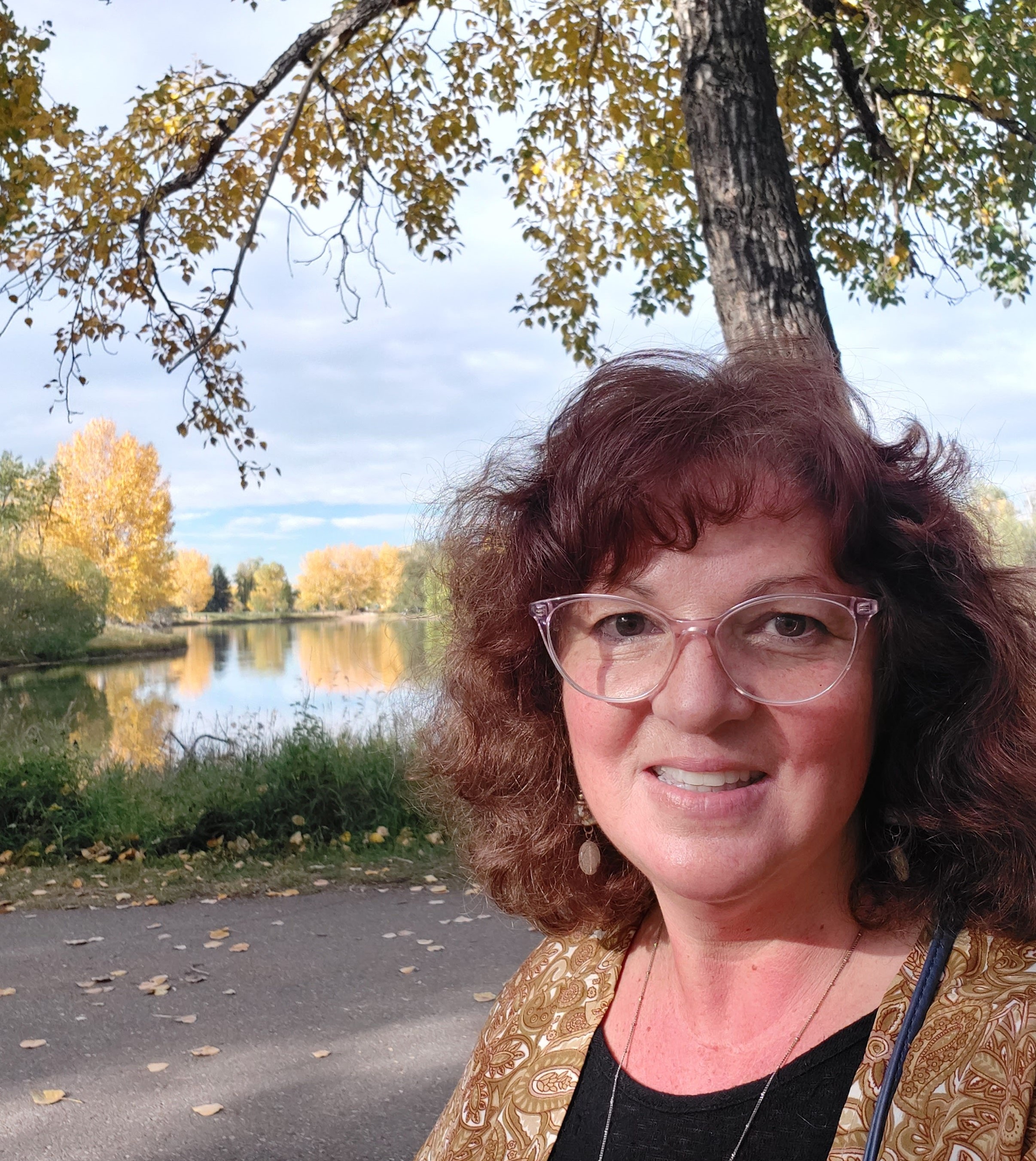
September Selfie

the smell of sawdust 

the smell of sawdust on his clothes 
and in his hair and in his pores
   the roughness of his hands 
   the breadth of his suntanned back

the darkness of his eyes under lashes thick
she pale and fair—hazel eyes, auburn hair
   he profound, his proclamations meant to be absolute
   she shrill and reigning over us nonetheless

the bathroom he built in the basement of our three-storey house
where so many rooms were just for company, just for show
   he, my father, a deep pool 
   she a rushing torrent, a thunderstorm

Continue Reading…

Ivanka Fear

The Colour of Me 

The  identity spectrum...

I am woman
still sporting traditional pink
I am mother
shedding crystal clear tears of joy
I am immigrant
blue collar background
I am teacher 
white collar dream
I am Canadian
waving the red and white
I am alone
feeling blue

I am only human
hiding the black and blue bruises
disguising the fading brown scars

Continue Reading…

Miroslava Panayotova

Miroslava

AUTUMN

The summer scent was born
from autumn leaves -
it was spring, summer, winter
next to the free autumn.

Its posters were being arranged
and they immersed
the sleepy river
in a disorderly image.

Continue Reading…

Pat Jourdan

Pat Jourdan

Thanks to the Punk				

Thanks to the punk who
bothered to
do a bit of neat graffiti by the bank.
You changed my life,
stripped away
all that flim flam about democracy.
Your neat row of Xs
showed our ration of the stuff.
“Your entire life’s share” it said

Continue Reading…

©®| All rights to the content of this journal remain with WordCity Literary Journal and its contributing artists.
DSCN0119

WordCity Literary Journal is provided free to readers from all around the world, and there is no cost to writers submitting their work. Substantial time and expertise goes into each issue, and if you would like to contribute to those efforts, and the costs associated with maintaining this site, we thank you for your support.

One-Time
Monthly
Yearly

Make a one-time donation

Make a monthly donation

Make a yearly donation

Choose an amount

¤5.00
¤15.00
¤100.00
¤5.00
¤15.00
¤100.00
¤5.00
¤15.00
¤100.00

Or enter a custom amount

¤

Your contribution is appreciated.

Your contribution is appreciated.

Your contribution is appreciated.

DonateDonate monthlyDonate yearly

Table of Contents. November 2021

Main Journal

Letter from the Editor.
Darcie Friesen Hossack

Fiction.
Edited by Sylvia Petter

Before I see You Again. by Annie Bien

Walking My Father Home. by Dave Kavanagh

Salad Days. by Pat Jourdan

Cobalt Blue Eyes. by Marcelo Medone

Erie Boulevard. by Paul Germano

Transcendence. by André Narbonne

Gone. by Douglas Mallon

Wolves. by Olga Stein

Non-Fiction.
Edited by Olga Stein

Lily Pads. by Mehreen Ahmed

Books and Reviews.
Edited by Geraldine Sinyuy

Books Reviewed. By Gordon Phinn

Literary Spotlight with Sue Burge

Featuring Mona Arshi

Editorial Epiphanies with Sue Burge

Featuring the editors of WordCity Literary Journal

Poetry. Edited by Clara Burghelea

Pollinators. Integument. by Adrienne Stevenson

Talaria. by Irina Moga

Divinity. and 2 more poems by Robert Beveridge

To Creation. and 2 more poems by John Grey

Power Kernels. by David Russell

a poem for this very place. this very day. 2 poems by Mansour Noorbakhsh

Half a Life. by Musa Aruna Chemnchu

the smell of sawdust. by Josephine LoRe

Autumn. by Miroslava Panayotova

The Colour of Me. by Ivanka Fear

Thanks to the Punk. by Pat Jourdan      


WordCity Literary Journal is provided free to readers from all around the world, and there is no cost to writers submitting their work. Substantial time and expertise goes into each issue, and if you would like to contribute to those efforts, and the costs associated with maintaining this site, we thank you for your support.

One-Time
Monthly
Yearly

Make a one-time donation

Make a monthly donation

Make a yearly donation

Choose an amount

¤5.00
¤15.00
¤100.00
¤5.00
¤15.00
¤100.00
¤5.00
¤15.00
¤100.00

Or enter a custom amount

¤

Your contribution is appreciated.

Your contribution is appreciated.

Your contribution is appreciated.

DonateDonate monthlyDonate yearly

Letter from the Editor. Darcie Friesen Hossack

This image has an empty alt attribute; its file name is 404e353f3ba24298aacbefccc86b2cb3.jpg

Welcome to WordCity Literary Journal’s November 2021 issue. If you visit this space often, you will have noticed that our back issues, which first appeared on Time of the Poet Republic, are being reproduced here, on our dedicated site. We hope that Mbizo Chirasha is soon able to safely resume his work at Time of the Poet, but assure all of our WCLA contributors that the final four issues from there will arrive here soon. It’s slow and painstaking work, but work to which I am devoted.

Meanwhile, here in Canada’s Northern Rockies, winter has arrived, even if not on the calendar. Snow is softly falling, and there’s a quiet that makes the world feel softened. It makes it easy to forget so many things, like the Covid-19 wave cresting in Europe, or the lack of available vaccines in developing nations. In British Columbia, the westernmost province of my home country, where I lived for 25 years, there is massive flooding, which follow a summer of wildfires, both caused by climate change.

A few weeks ago, I was able to spend time with family here in Canada, where we are fortunate to have enough vaccines for everyone. And yet, while anti-vaxx beliefs are not as rampant here as in some other places, I found myself sitting outside with many of my loved ones, trying to keep a distance, in sorrowful deference to their choice to remain unvaccinated.

At the time, hospitals in my home province were overwhelmed with Covid-19 patients. Surgeries and other life-changing and life-saving procedures had been postponed indefinitely. The Alberta government had acted too slowly and too reluctantly to curb the disease. People were dying, and misinformation was as much to blame as the virus itself. I’m not afraid to say that I worry my loved ones will be next.

Here in the snow, in the quiet, it’s easy to forget, even if just for a moment.

Reading can be a similar type of escape. Even reading this issue, which importantly and necessarily features so much else of the human experience.

In this moment, however, I’m going to ask us all to remember. Remember our neighbours and loved ones who have been lost in these last many months. Remember the ones still with us, especially those most vulnerable. Remember climate change is already here and needs to be slowed. Remember to act and vote for change. Remember to get vaccinated. Remember the gatherings we’ve missed and may miss again these coming holidays. Remember ourselves and all the life we have yet to live. Remember, please, to take care of each other, and not let fear or denial take away anyone or anything else.

Remember.

Now, though, I turn the rest of this space and its accompanying pages over to WordCity Literary Journal’s editors and contributors, and I do so with gratitude for their work and their trust in this publication.

Thank you for reading.

Sincerely,

Darcie Friesen Hossack

Return to Journal

Darcie Friesen Hossack is a graduate of the Humber School for Writers. Her short story collection, Mennonites Don’t Dance (Thistledown Press), was a runner-up for the Danuta Gleed Award, shortlisted for the Commonwealth Writers Prize and the Ontario Library Association’s Forest of Reading Evergreen Award for Adult Fiction. Citing irreverence, the book was banned by the LA Crete Public Library in Northern Alberta. Having mentored with Giller finalists Sandra Birdsell (The Russlander) and Gail Anderson Dargatz (Spawning Grounds, The Cure for Death by Lightning), Darcie is now completing her first novel where, for a family with a Seventh-day Adventist father and a Mennonite mother, the End Times are just around the corner. Darcie is also a four time judge of the Whistler Independent Book Awards, and a career food writer. She lives in Northern Alberta, Canada, with her husband, an international award winning chef.

Thanks to the Punk. A poem by Pat Jourdan                           

Pat Jourdan

Thanks to the Punk				

Thanks to the punk who
bothered to
do a bit of neat graffiti by the bank.
You changed my life,
stripped away
all that flim flam about democracy.
Your neat row of Xs
showed our ration of the stuff.
“Your entire life’s share” it said
along Lloyd’s trim brick wall.
Every five years if we were lucky, a little x.
Every five years a change of faces
in distant places.

Thanks to the bikers who
bothered to
put up that ‘Third Reich’ poster
in the bay window by the fish shop
when Mrs Thatcher gripped our necks
for the third time.
Quaint Gothic script
struck out across Gloucester Street
annoying posh voters.

Thanks to all outcasts,
oddities, eccentrics, rebels, cranks, hippies, activists,
folding leaflets, addressing envelopes,
delivering up tower blocks,
or rotting gates collapsing in your hands.
This is how we build the promised land.

Return to Journal

Pat Jourdan is a painter from Liverpool College of Art. Winner of the Molly Keane Short Story Award and second in the Michael McLaverty Award, won the Cootehill, Poetry Pulse and Veterans Awareness prizes, published in  200 magazines, with 4 self-published novels, 5 short story collections and 6 poetry collections. Mentioned in Ian McEwan’s Saturday, p137 as “Pat Jourdan, a little-known poet of the Liverpool School.”

Lived in Galway for 10 years; divorced; 2 sons; now lives in Suffolk down a country lane.

Blog-of-sorts at patjourdanwordpress.com.

WordCity Literary Journal is provided free to readers from all around the world, and there is no cost to writers submitting their work. Substantial time and expertise goes into each issue, and if you would like to contribute to those efforts, and the costs associated with maintaining this site, we thank you for your support.

One-Time
Monthly
Yearly

Make a one-time donation

Make a monthly donation

Make a yearly donation

Choose an amount

¤5.00
¤15.00
¤100.00
¤5.00
¤15.00
¤100.00
¤5.00
¤15.00
¤100.00

Or enter a custom amount

¤

Your contribution is appreciated.

Your contribution is appreciated.

Your contribution is appreciated.

DonateDonate monthlyDonate yearly

The Colour of Me. A poem by Ivanka Fear

The Colour of Me 

The  identity spectrum...

I am woman
still sporting traditional pink
I am mother
shedding crystal clear tears of joy
I am immigrant
blue collar background
I am teacher 
white collar dream
I am Canadian
waving the red and white
I am alone
feeling blue

I am only human
hiding the black and blue bruises
disguising the fading brown scars
staunching the red flowing from my wounds
covering up my yellow belly
stifling the green monster
sifting through the grey of my existence
looking for a silver lining through rose-coloured glasses
chasing rainbows

just like everyone else

Return to Journal

Ivanka Fear is a former teacher pursuing her passion for writing. She resides in Ontario, Canada, with her family and the stray cats that wander in. Her poems and stories appear in Last Leaves Literary, Analogies and Allegories, The Mark Literary Review, Dead Fern Press, Defenestration, Autumn House Review, South Shore Review, Black Moon, Red Alder Review, eucalyptus and rose, and elsewhere. You can read more about her at https://ivankafear.wix.com/mysite and follow her on Twitter @FearIvanka or Instagram @ivankafearwriter.

WordCity Literary Journal is provided free to readers from all around the world, and there is no cost to writers submitting their work. Substantial time and expertise goes into each issue, and if you would like to contribute to those efforts, and the costs associated with maintaining this site, we thank you for your support.

One-Time
Monthly
Yearly

Make a one-time donation

Make a monthly donation

Make a yearly donation

Choose an amount

¤5.00
¤15.00
¤100.00
¤5.00
¤15.00
¤100.00
¤5.00
¤15.00
¤100.00

Or enter a custom amount

¤

Your contribution is appreciated.

Your contribution is appreciated.

Your contribution is appreciated.

DonateDonate monthlyDonate yearly

Autumn. A poem by Miroslava Panayotova

Miroslava

AUTUMN

The summer scent was born
from autumn leaves -
it was spring, summer, winter
next to the free autumn.

Its posters were being arranged
and they immersed
the sleepy river
in a disorderly image.

The minute-violin
swept the banal by hand
and the bagpipe of autumn
played with all its might.

Return to Journal

Miroslava Panayotova graduated from Plovdiv University, specialty Bulgarian philology and English language. She published poems, stories, tales, aphorisms, essays, criticisms, translations, articles and interviews in periodical and collections. She published the following poetry collections: Nuances, 1994, God of the senses, 2005, Pitcher, 2014, Whisper of leaves, 2017, Green feeling, 2018 and short story collections: An end, and then a beginning, 2017, Path of love, 2018 and two eBooks: Laws of communications /aphorisms/, 2018, Old things /poetry/, 2018. She is a member of the Union of the Independent Bulgarian Writers and a member of Movimiento Poetas del mundo. She is a member and a coordinator in the team to the e-journal Ghorsowar, too.

WordCity Literary Journal is provided free to readers from all around the world, and there is no cost to writers submitting their work. Substantial time and expertise goes into each issue, and if you would like to contribute to those efforts, and the costs associated with maintaining this site, we thank you for your support.

One-Time
Monthly
Yearly

Make a one-time donation

Make a monthly donation

Make a yearly donation

Choose an amount

¤5.00
¤15.00
¤100.00
¤5.00
¤15.00
¤100.00
¤5.00
¤15.00
¤100.00

Or enter a custom amount

¤

Your contribution is appreciated.

Your contribution is appreciated.

Your contribution is appreciated.

DonateDonate monthlyDonate yearly

the smell of sawdust. A poem by Josephine LoRe

September Selfie

the smell of sawdust 

the smell of sawdust on his clothes 
and in his hair and in his pores
   the roughness of his hands 
   the breadth of his suntanned back

the darkness of his eyes under lashes thick
she pale and fair—hazel eyes, auburn hair
   he profound, his proclamations meant to be absolute
   she shrill and reigning over us nonetheless

the bathroom he built in the basement of our three-storey house
where so many rooms were just for company, just for show
   he, my father, a deep pool 
   she a rushing torrent, a thunderstorm

and she hurled words that hurt the air around our ears
so many things unsaid –
   stories we never learned until we were grown
   her mother dying young, leaving five children behind

her father dead or gone away, rumours hushed
her brother taking her in to work in his house
   she, boiling water carried in from village fountain 
   to wash the diapers of his infant child

the letters that my father sent, taken away
hidden by her brother’s wife
   behind the mirror of the dresser
   how she became betrothed to another 

believing my father had forgotten her
how my father’s father and my father’s brother 
   went to the house to ask why she wasn’t writing back
   those were different times

when I asked why their love was never officially declared
before my father left to mine the coalheart of Belgium
   I was told they were too young
   he had no diamond for her finger, no gold

and their promise was to keep them 
until he would come to claim her as his bride
   all of this I never knew for I was but a child
   but some evenings he would sit upon a backless stool 

in the basement of our house
smelling of planed pine, hands rough with work
   fatigue heavy on his shoulders
   and she would kneel before him

lift his feet one by one 
from the basin in which they soaked
   wash them, towel them dry
   and he would look upon her softly

and I could feel but still not comprehend
   the ties that went beyond their words

Return to Journal

a pearl in this diamond world …  Josephine LoRe’s words have been read on stage and in zoom-rooms globally, published in literary journals and anthologies in ten countries and three languages, put to music, danced, and integrated into visual art.   

She has two collections which integrate her poetry and photography, Unity and the Calgary Herald Bestseller The Cowichan Series. She is a member of the Canadian League of Poets, the Writers’ Guild of Alberta, and numerous online poetry societies. She has taught poetry workshops through the Alexandra Writers’ Center Society, When Words Collide and the Wine Country Writers’ Festival. Poetry has been her covid antidote.  https://www.josephinelorepoet.com/ 

WordCity Literary Journal is provided free to readers from all around the world, and there is no cost to writers submitting their work. Substantial time and expertise goes into each issue, and if you would like to contribute to those efforts, and the costs associated with maintaining this site, we thank you for your support.

One-Time
Monthly
Yearly

Make a one-time donation

Make a monthly donation

Make a yearly donation

Choose an amount

¤5.00
¤15.00
¤100.00
¤5.00
¤15.00
¤100.00
¤5.00
¤15.00
¤100.00

Or enter a custom amount

¤

Your contribution is appreciated.

Your contribution is appreciated.

Your contribution is appreciated.

DonateDonate monthlyDonate yearly

Half a Life. A poem by Musa Aruna Chemnchu

Musa Aruna Chemnchu

HALF A LIFE
For we first came with facts,
And swapped with artefacts.
As recorded in arts,
and spreaded in parts,
Around the globe in oratures,
as testified,
by men of arts with sculptures.
Some fully terrified.


And others with the blue moon,
to seek harmony and bloom
the light of love,
to be spread about by the Dove.

The full swapped took the lane
And we became them in cultures and in arts,
Living half in half like them.
But they are with our spirituality
As we take on their religion, their culture.
Our spirituality becomes theirs in full lane.

Jesus, Mohammed, Amun-ra? Where are we?
For all? Then we are a hybrid.
For one? Then which one of them?
Half we are, living half in half
as in half a life

Return to Journal

Musa Aruna Chemnchu is a PhD researcher in the University of Bamenda. He teaches English and Literature in English in Government Bilingual High School Downtown-Bamenda. He is interested in Cultural Studies, Black British Literature and Diasporic Studies. He has written a close range of poems on contemporary subjects, related to the preceding fields of studies. However, these poems are yet to be published.  


WordCity Literary Journal is provided free to readers from all around the world, and there is no cost to writers submitting their work. Substantial time and expertise goes into each issue, and if you would like to contribute to those efforts, and the costs associated with maintaining this site, we thank you for your support.

One-Time
Monthly
Yearly

Make a one-time donation

Make a monthly donation

Make a yearly donation

Choose an amount

¤5.00
¤15.00
¤100.00
¤5.00
¤15.00
¤100.00
¤5.00
¤15.00
¤100.00

Or enter a custom amount

¤

Your contribution is appreciated.

Your contribution is appreciated.

Your contribution is appreciated.

DonateDonate monthlyDonate yearly

a poem for this very place. this very day. 2 poems by Mansour Noorbakhsh

This image has an empty alt attribute; its file name is canada-persia.jpg

a poem for this very place and this very day

(In protest of the law restricting Internet access and cyberspace in Iran)

and who knows how many times every day i come to visit this “electronic” virtual page. and I look again and again. i look at the screenshots of a book you’ve posted or the photo or the text or a smiley face bursting into tears from harsh laughter. and this silence that can only be clearly heard in this click click. and this distance that can be shortened only on this dim screen of my cellphone. let aside that now is the end of sunset. and the last rays of a cloudy day are going to become a memory of these days.  people have taken refuge in the land of their own loneliness. like that long time ago, and maybe not so long ago when we were students in university. not so long ago, because how long are we supposed to live? and it seems we still belong to the previous two or three generations. the ones who, when their first child was dying, had been told that the first child is the share of a crow, the second perhaps the share of a jackal, and the third the share of an animal that had been passing by. and all of that said to soothe the breaking heart of a mother who had borne the burden of pregnancy for months expecting to revel in the laughter of her baby but deprived of that. and we – “i” – or “we” belong to a generation that has borne the burden of our lives to soothe our hearts with “never mind, our life was also the share of a jackal.” a jackal. This jackal as if his stingy eyes and cruel heart was and is only looking to take our life. and how many times a day I come to look at the page of a book, a photo, anything you have posted. and I remember the days of course, registration or exams, and circling around an old heater when we were students. An old heater that did not heat anywhere except its immediate surroundings. and our glances that had not been allowed to stroll romantically but sometimes ran secretly to follow the sound of lovely footsteps that were still recognizable amid the tumult of repeating the frenzied mottos and the lamented prayers without turning our heads and eyes from a coursebook that we were not reading.

[This poem is written in both English and Persian languages. The Persian language version of this poem was recited in the Ottawa Persian Radio Namaashoum. https://persianradio.net/

I WANT TO SING THE BITTEREST ROMANCES 
(A prayer for Afghans after brutal Taliban advance in August 2021)

The sunshine was nothing 
more than a dream 
in the commotion of an evening 
panting the sigh of relief.
Call the rain which doesn’t decline hopes. 

I want to sing the bitterest romances 
to have no one believed in any smile 
and to have no one despaired for a glance.
Thus, death never expects any resurrection 
and soil never promises the grow of 
any grape vine to make us drunken 
And no drunken look disturbs the peace of any stone.

I want to sing the bitterest romances 
so that every heart embrace sin 
despite a certainty that casts a shadow 
over the peace of that glorifiers 
those buyers of lies and sellers of death.

Those who see purity only 
in the captivity of virgin girls 
and seek faith only 
in the slavery of men in love. 
Those who believe selling opium 
for buying weapon is permissible. 
Death-Believers who 
don’t trust the meaning of life.

I want to sing the bitterest mourning-song, 
as if infidels had not fought 
but only against their own silence.

Return to Journal

Mansour Noorbakhsh writes and translates poems in both English and Farsi, his first language. He tries to be a voice for freedom, human rights and environment in his writings. He believes a dialog between people around the world is an essential need for developing a peaceful world, and poetry helps this dialog echoes the human rights. Currently he is featuring The Contemporary Canadian Poets in a weekly Persian radio program https://persianradio.net/. The poet’s bio and poems are translated into Farsi and read to the Persian-Canadian audiences. Both English (by the poets) and Farsi (by him) readings are on air. This is a project of his to build bridges between the Persian-Canadian communities by way of introducing them to contemporary Canadian poets. His book about the life and work of Sohrab Sepehri entitled, “Be Soragh e Man Agar Miaeed” (trans. “If you come to visit me”) is published in 1997 in Iran. And his English book length poem; “In Search of Shared Wishes” is published in 2017 in Canada. His English poems are published in “WordCity monthly” and “Infinite Passages” (anthology 2020 by The Ontario Poetry Society). He is a member of The Ontario Poetry Society and he is an Electrical Engineer, P.Eng. He lives with his wife, his daughter and his son in Toronto, Canada.

WordCity Literary Journal is provided free to readers from all around the world, and there is no cost to writers submitting their work. Substantial time and expertise goes into each issue, and if you would like to contribute to those efforts, and the costs associated with maintaining this site, we thank you for your support.

One-Time
Monthly
Yearly

Make a one-time donation

Make a monthly donation

Make a yearly donation

Choose an amount

¤5.00
¤15.00
¤100.00
¤5.00
¤15.00
¤100.00
¤5.00
¤15.00
¤100.00

Or enter a custom amount

¤

Your contribution is appreciated.

Your contribution is appreciated.

Your contribution is appreciated.

DonateDonate monthlyDonate yearly

Power Kernels. A poem by David Russell

Russell-Headshot

Power Kernels

Break down the elements, split them
To non-existence;
Then shatter all solidity’s illusions,
Free impulses
Beyond the viscous mind, still feeling hard
By vanity's gas upholstered.

And then, for happiness’s definition,
Shut the door;
Relax, and don't be squeamish;
For every grit of teeth, a pull of trigger,
A sear, a cloud . . .

Then, if the bacillus, the charge
Breaks through even your filter-screen,
Thin paper barrier that defines
Your victims and yourselves . . .

And you, amoebae, become specimens
Now that your brainchild ogres
Have outstepped the frames of will;

Oh super-brains! Limp, flapping squids;
Now that you’ve burst your cranial canisters,
Now that you’ve blundered on the combination
To open up the vault
Wherein you case your muffled
Conscience-bleats
to soothing, doped oblivion;

Did you first conquer all remorse, all fear,
Destroy all that might have the power to save?

And will you now be laid low, by yourselves,
Even denied all retribution’s flames,
All instantaneous dignity?

Oh ones still solid, cynicism’s crust
Thickens and stifles, yet absorbs,
Driving life’s final spark to desperation;
No scope to flash
Without full-voiding all outside itself.

Oh loosen now your halters,
Clean growth, no fission-cancers,
Live now; be novae

Return to Journal

David Russell b. 1940. Resident in the UK. Writer of poetry, literary criticism, speculative fiction and romance. Main poetry collection Prickling Counterpoints (1998); poems published in online International Times. Eco poetry collection, An Ever River, published by The Palewell Press, 2018. Main speculative works High Wired On (2002); Rock Bottom (2005). Translation of Spanish epic La Araucana, Amazon 2013. Romances: Dreamtime Sensuality I & II: Explorations; Further Explorations; Pearlman, Self’s Blossom – all available on Amazon. Self-published collection of erotic poetry and artwork, Sensual Rhapsody, 2015. Singer-songwriter/guitarist. Main CD albums Bacteria Shrapnel and Kaleidoscope Concentrate. Many tracks on You Tube. Editor of online magazine Poetry Express Newsletter, produced by Survivors Poetry and Music.  


WordCity Literary Journal is provided free to readers from all around the world, and there is no cost to writers submitting their work. Substantial time and expertise goes into each issue, and if you would like to contribute to those efforts, and the costs associated with maintaining this site, we thank you for your support.

One-Time
Monthly
Yearly

Make a one-time donation

Make a monthly donation

Make a yearly donation

Choose an amount

¤5.00
¤15.00
¤100.00
¤5.00
¤15.00
¤100.00
¤5.00
¤15.00
¤100.00

Or enter a custom amount

¤

Your contribution is appreciated.

Your contribution is appreciated.

Your contribution is appreciated.

DonateDonate monthlyDonate yearly