Something that binds us

Near or far, on the earth or in the space
Known or unknown feelings of courage
Remove negative people from valuable life
Toxic they are, bring stress and strife
Sweet soft soul chosen each other for one goal
Something binds us to play our role
Believe it or not Peace makers we're born for mission and a reason
Here's true pleasure and nice surprise
In desperate wonderful world sun always rise
Peace Activists we're building our inner world of spiritual powers
Do good karmas with love, the need of these crucial hours
Let's learn from life management
Enjoy every energetic moment
Feel pain of all souls through light of the lamps in the society
Here's Peace, prosperity, and true beauty.
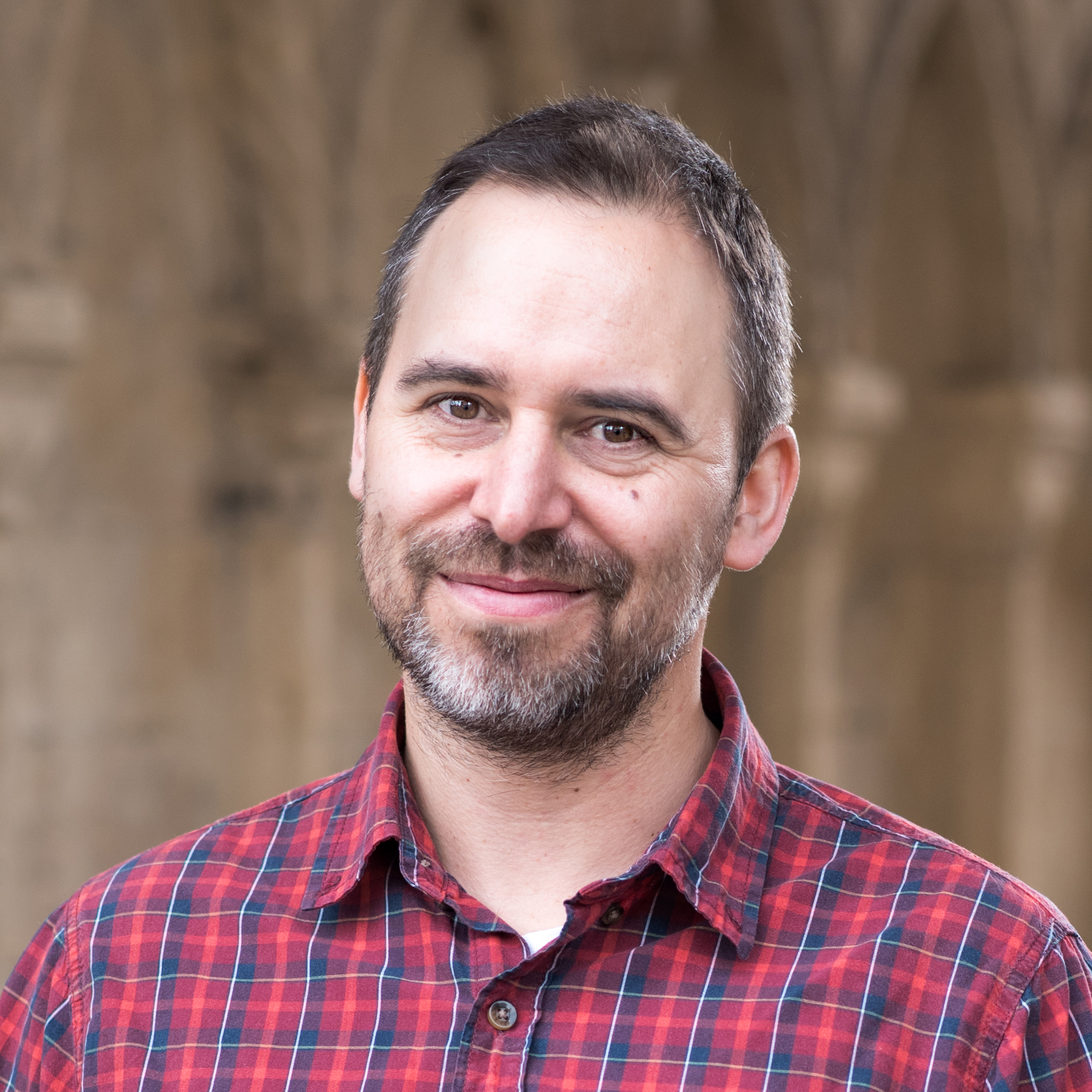
Dr Ashok Kumar is an international mystic bilingual poet from India. He is working as a principal in a reputed institution. His philosophical, spiritual, and motivational poems are published in International Research Magazine, and various International Anthologies. His poems are translated into various languages like Urdu, Italian, Greek, Polish, Nepali, Spanish etc.
He is a Gandhian International Peace activist, believe in humanity integrity and universality. He is a follower of MK Gandhi, Walt Whitman Professor Aurobindo Ghosh, and Rabindranath Tagore. He has received many National and international awards for his works.
WordCity Literary Journal is provided free to readers from all around the world, and there is no cost to writers submitting their work. Substantial time and expertise goes into each issue, and if you would like to contribute to those efforts, and the costs associated with maintaining this site, we thank you for your support.
Earwig

You hatched from your mottled egg
Glossy black, like a coffee bean.

Dexterous and slim, you unhinged
A crooked quickness from calamity
Into the fissures of furniture
And ill-fitting floor trim.

Once, in horror, I watched you slide
From the plastic holes
Of a 60’s telephone receiver.

Pincers mongering old wives’ tales.
Insinuating dread into ear canals,
Membrane and sinew. Entering
The sacristy of brain tissue
To clip away at reason. Bleeding me.

Curious, I searched the science
Of your claws’ evolutionary purpose,
Discovering their lack of sinister motives:
Just sensual arms for gripping mates.

It made me think of the silhouette of a man
I saw once through a pub window.
Arms gesticulating explanations
To the still shadow of a woman
Sitting across from him.

In the light, behind the frosted glass
His arms moved like that.
Hands stiff like meat hooks.

One night while I sleep,
You will exit
From your refuge of wall and floorboard
To clank your tiny, armored shell
Onto the polished wood of my night table.

You will dare your way upon my pillow
Dangling from hair to skin
Tearing me from sleep
With the sudden tickle
Of everything I have been averting,

As you knock unexpectedly

From the invisible apertures
Of my seemingly safe house.


The Possum and The Moon

Are out tonight
And they are not the only ones
On this cool May dusk.
The moon, a plate
Of abundant metaphors
Spills out its captive sunlight,
While beyond the tallest pines
Cassiopeia’s brightest point,
Blazes a beauty mark.
I stand in my unavenged wonder
Inside the star-lit glass dome
Of this terrestrial sublunary
World, womb of my skull’s carapace.
I have placed slices of bread
And cut apples for the possum
Who visits my stone porch
At the closing of each sunset,
When humans recede
To their slumber
And animals surface
Seeking sustenance
Safe at last in the night's cover.
Just me, the moon, a stone's throw
Of stars and the possum
As the trees charcoal
Into night forests, nestling
God’s creatures in their nests.
The possum’s hands, my hands,
The silent atrocities of nature’s food chain.
My own angst and tragedies.
The planetary remoteness
Of this night’s own sadness
At the defeat of light By all its negations,
Except for the captive refractions
Of it in the blink of each star
Each stone, bloom, and animal,
Silvering Earth and the face of the moon.
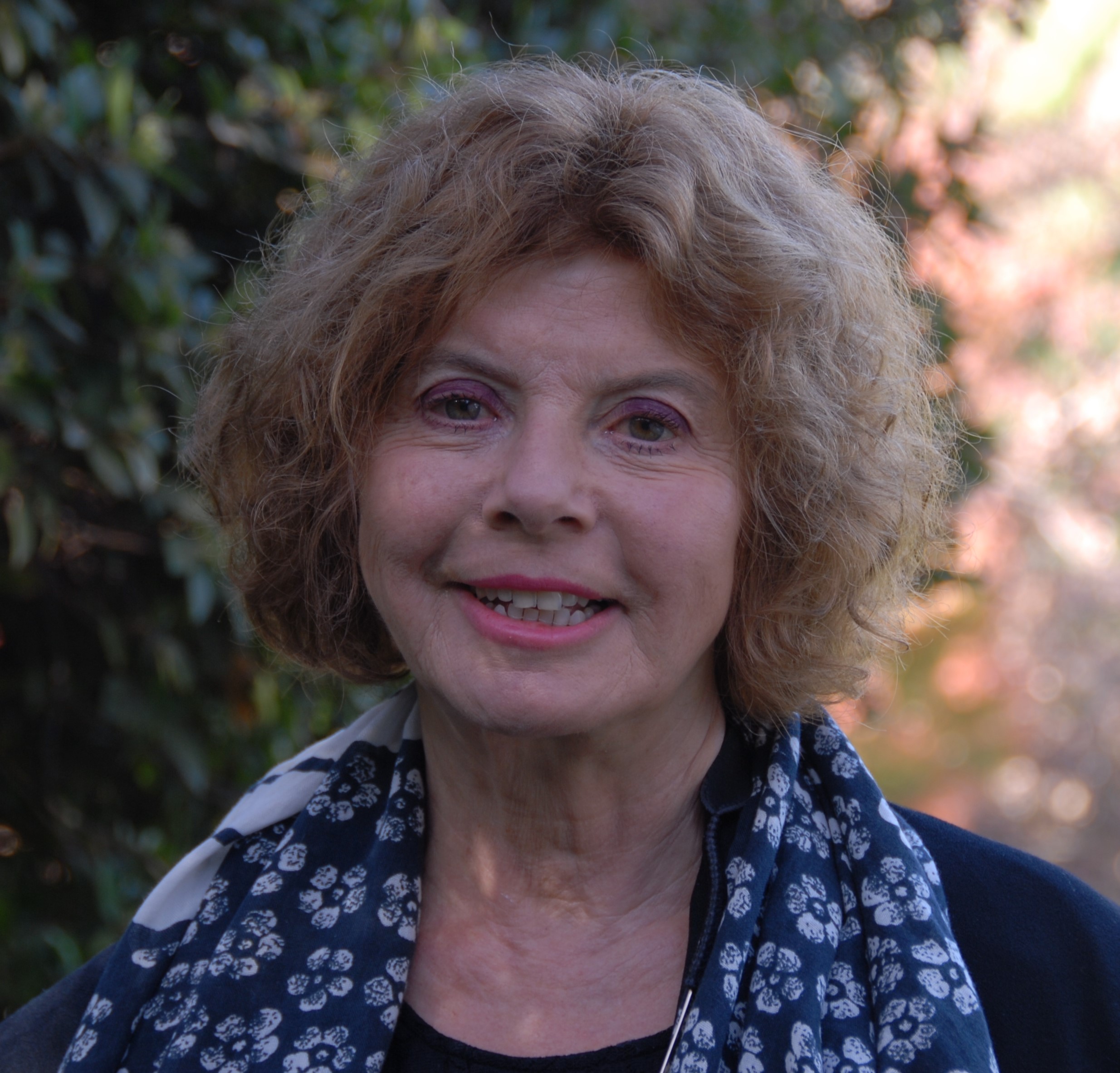
was born in Italy in 1955. She emigrated to Canada with her family in 1968, at the age of twelve. She attended University of Toronto where she pursued an Honors Degree in French and Italian Literature; a Bachelor of Education; a Masters in Educational Administration and a Masters in Italian Literature. After graduating, she taught French and Italian for many years at the elementary, secondary and post secondary levels. Her love of literature eventually led her back to take writing courses through the University of Toronto and she alson joined the Ontario Poetry Society, where she is now manager for the Oakville chapter; the League of Canadian Poets; the Canadian Italian Writers Association; and the Heliconian Club for Women in the Literary Arts of Toronto.
Josie has published seven collections of poetry: The Whispers of Stones, Beret Days Press, 2007; Sea Glass, Espresso Bar Publishing, 2008; The Red Accordion, Lyrical Myrical Press, 2014; Letters from the Singularity, In Our Words Inc. 2015; A Jar of Fireflies, Mosaic Press, 2015; Sunrise Over Lake Ontario, Espresso Bar Publishing, 2017; and Meta Stasis, Mosaic Press, 2021. As well, she has published two non-fiction books: How the Italians Created Canada, Lone Pine Publishing/ Dragon Hill Press, 2007; and In The Name of Hockey, Friesen Press, 2010. Some of her poems have been translated into Spanish, Chinese, Italian and Farsi. Her work has been widely published in literary journals, magazines and anthology collections, among which, Ireland’s The Blue Nib, India’s Litterateur and France’s Lothalorian. Some of her poetry is showcased on The Niagara Falls Poetry Project Website, Poem Hunter, University of Toronto Radio, Ottawa Farsi Radio’s Namashoum Poetry Show, Eh Poetry Canadian Poetry Podcast and BBC’s David Vickery’s poetry podcast.
Josie Di Sciascio-Andrews’ poem In Those Meticulous Rituals of Dressing for Our Sunday Best, has recently won a jury prize in the International Poetry Prize in Rome, Italy’s Citta del Galateo poetry contest for poets writing in English. Her poem The First Time I Heard Leonard Cohen is being nominated for a Pushcart Prize this fall. Her poems have been shortlisted for The Malahat Review’s Open Season Award; Descant’s Winston Collins Best Canadian Poem Prize; and The Canada Literary Review’s Summer Poetry Competition.
Josie Di Sciascio-Andrews passions are her sons, family and friends, nature, words, music, books and all things beautiful. She lives and writes in Oakville, Ontario, Canada.
WordCity Literary Journal is provided free to readers from all around the world, and there is no cost to writers submitting their work. Substantial time and expertise goes into each issue, and if you would like to contribute to those efforts, and the costs associated with maintaining this site, we thank you for your support.
Open Wounds

In the seemingly endless centuries
Of conflict and connived resolution

Where races strived mightily
To eliminate whatever Other

Seemed to stand in their way,
The wounded heart of humanity

Bled and never healed.  Tribes,
Sometimes tricked, sometimes swallowed,

Trickled into nations, only to discover
A more devious destiny daily unfolding.

Both conquerors and conquered contest
With despair as much as each other.

In prayer, in silence, in jovial celebration,
The bitter jest of death was always

The uninvited guest.  And now, as news
Announces every second, we can, if

We wish, be endlessly aware of insult
And outrage, injury and anguish, and

That trauma center we inhabit,
Whether we care to or not, bleeds us

Without mercy or closure, until we
See the absence of mitigation

Is no accident of fate.  The heart
Is here to bleed, and we, while

Wistful for release, are all its
Open wounds.
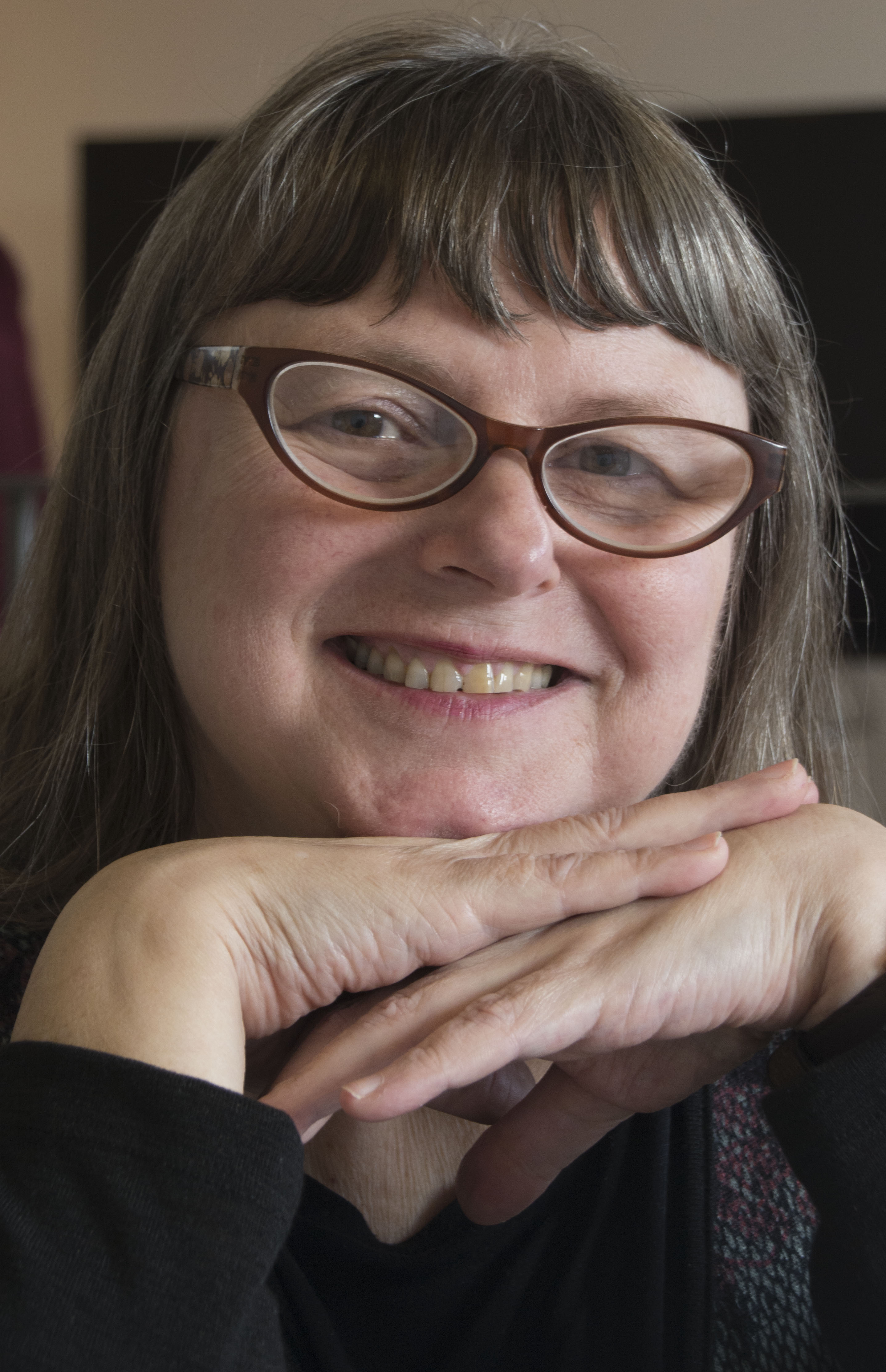
Gordon Phinn has been writing and publishing in a number of genres and formats since 1975, and through a great deal of change and growth in CanLit. Canada’s literary field has gone from the nationalist birth pangs of ’65 – ’75 to its full blooming of the 80s and 90s, and it is currently coping as well as it can with the immediacy and proliferation of digital exposure and all the financial trials that come with it. Phinn’s own reactions was to open himself to the practices of blogging and videoblogging, and he now considers himself something of an old hand. His Youtube podcast, GordsPoetryShow, has just reached its 78th edition, and his my blog “anotherwordofgord” at WordPress continues to attract subscribers.
Phinn’s book output is split between literary titles, most recently, The Poet Stuart, Bowering and McFadden, and It’s All About Me. His metaphysical expression includes You Are History, The Word of Gord On The Meaning Of Life.
WordCity Literary Journal is provided free to readers from all around the world, and there is no cost to writers submitting their work. Substantial time and expertise goes into each issue, and if you would like to contribute to those efforts, and the costs associated with maintaining this site, we thank you for your support.
Jottings On a Winter Morning

It’s sad to be a normal girl in a room with
a yellow wallpaper. Yet I am one who is lonely
like shit, an uninhabited house crawling
all over with sun-glazed orbwebs…I would be
one spreadeagled in DH Lawrence’s sun,
& raise my belly to the furthest arc of my breath,
before melting in a grimace. & yet when first
I saw the curtains lighting menacingly up,
I clutched the pillow like my baby. & when
I woke up, I stared at the beaten crescent
dimming across the foggy waste of stars…
Through the window, I watch so many in a hurry,
so many brawl-revived, hands dipped in
wafer packs, so damn many ask, & receive
what I should have as well, for I did ask!
I lifted my face when the echelon was passing overhead.
& yet what of it! Evening chooses its own
incense, the streetlamps their own moths,
the dog-shat lane its own choice quartz.
I see a people shaking candy floss at each other,
scratching tacks against each other’s skin,
tumbling into each other’s cologned tees,
raising invisible lanterns, sharing cigarettes,
grazing the dust to mark out their acres.
Years ago, creeping behind their tipsy Gibsons,
my barbed-wire skin wrapped about me,
I’d go correcting the unnoticed blunders
of time. If I spied a rent, I taped it with grass;
if I stumbled, I rubbed my feet in glass.
Our way was one; –I went mine. & look
how I make up for all this, anointing my cracked
skin, forgiving myself, if reminiscing were
forgiving…or I am noble enough to tuck
my hair behind my ears & ask the world
to forgive me as if I ever did deserve its
wrath. I crease the light like paper, I last only
the falling mayfly, to love I merely have
the courage, to live, from choice to chores
& back, the unfortunate strength.


Two

How often a bicycle, carelessly propped up against
the wall, slides down it without our having
leant on the handlebars, or snapped the rear-
rack shut against itself like a mousetrap,
although in our presence, sure, yet how
does that work against us? Ah, I understand that
having seen it all, how it all came about,
before our eyes, we should have, at least one of us,
rushed to the spot and pulled it back, the
poor thing, up against the wall, and calmed our
nerves. Instead, we went on sitting by
the window, our skin freezing, and gazing
on the fallen thing as the ever-freshened
slurry went splashing between the spokes…
Until, having chosen at last to unsee the dreadful show,
we drew the blinds and now, here we are,
our skin freezing, as we catch the sounds
of a scuffle outside–isn’t that the grocer’s voice?
Another escalating pitch, if you can hear,
and you do. And that’s the wireman, yes,
coughing! Your voice bricked down to a moan,
the way you castigate the bumbling jar
frightens me more. I call you, hug you:
There, there! We shall be okay! The world
will have spared us yet again…


Ars Poetica

Facebook can be a bitch. The trick is to not post
Your poems so damn frequently. Besides, you boast
Just over fifty friends! You gotta jump out there
& show both bot & people that you bloody care.
Also, facebookworms ain’t so cool, or so refined,
You’re looking in the wrong place. You should maybe find
Another corner, my good friend, like Instagram,
But yeah, you’ve gotta be a sexy menstrual ham,
Then show the world how easily your poems breathe,
Your yogic poems out of your herbalizéd teeth.
Cuz you must dig this: readers also have gone vegan.
You cannot pen no meaty stuff that they might gag on.
There’s so much more to goddamn understand
Than you would care to type up with that hefty hand!
There’s global warming, & the patriarchy, boo,
There’s equal pay, gun violence, why, abortion too,
& how the rappers, rockstars, DJs & such elves
Are looting our dear Websters to christen themselves…
The more there is to understand, the less there is
The time to. Ergo, stick to short & simple, whiz!
Verse ain’t supposed to bid one sit & ponder, if
The poet has sat & pondered first. Just choose your gif,
The more nuanced the better, & your poet will
Respond asap, & praise your unreal reading skill.
Forbear! Not now. You must at least ten odd days wait
Before your FB pals decide your literary fate.
If not a book, you may, if you would care to look,
Write ten poems down & bring out a chapbook.
For sure, I have a poet friend who is so learned
He’ll flip your thang and sing to all the world you’ve earned
Your well-deserved spot in some XYZ+ canon,
& sign it off for you, & you are good to shine on.
Why, if you’re lucky your work might show up
On no less than The Guardian, within an op-
Ed! If you’re really fortunate, you might be quoted
By the apocalyptics for whom we’ve all voted.


Amen!

Swat the fribbles flat between your hands
And dare not look again! The dreamless night
Is ours to dream away. To not be stirred
Is perfect. We know what is wrong, what right,
And what to shun, and if to cry or laugh–
And we shall live, if not on life’s behalf.


Before the Cock Crows

Before the cock crows you’ll deny me thrice,
That is all she would say, camped by the street,
Whenever she caught the sound of our feet,
If ever, passing by, she caught our eyes.

Though none, as far as we could tell, left home
To walk down to her sacred station and
Extend and then retract his or her hand
And vanish, imp-like, in the twilight chrome.

So, as she sat, as shrunken and uncouth,
Surveying those who footslogged past, I went
And stood before her half-imploded tent.
I knew it all along. She spoke the truth.

And ever since, though all of impkind errs,
It’s only my hand to be ripped from hers.
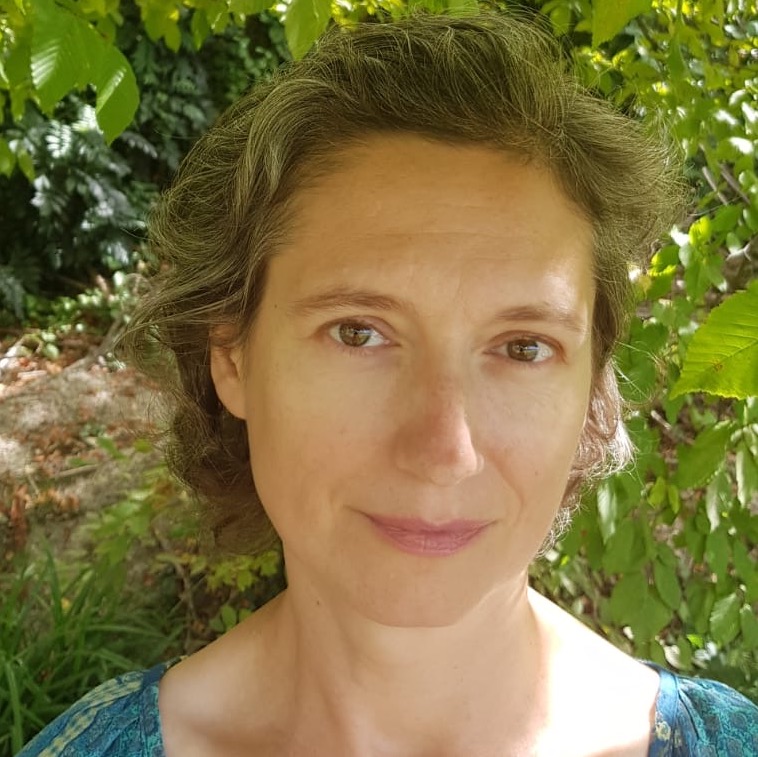
Susmit Panda, born in 1996, is a poet living in Kolkata. His poems and criticism have appeared in Boog City,Coldnoon, Indian Cultural Forum, Guftugu, The Boston Compass, and The Journal (London), and are forthcoming in Fulcrum: An Anthology of Poetry and Aesthetics. He participated in the Poesia 2021 World Poetry Day Festival.
WordCity Literary Journal is provided free to readers from all around the world, and there is no cost to writers submitting their work. Substantial time and expertise goes into each issue, and if you would like to contribute to those efforts, and the costs associated with maintaining this site, we thank you for your support.
For our November 2022 issue, WordCity Literary Journal will turn its eyes on disasters: Natural disasters such as storms. Human-made as with Climate Change. Political. Personal. From the macro to the micro.
While we leave this theme wide open to interpretation, our hearts are looking towards Iran with grief and hope as its people protest against the killing of 22-year-old Mahsa Amini by the regime’s morality police. We think of Pakistan and the terrible flooding, and the humanitarian needs there, while keeping our thoughts with others in the paths of storms. And, of course, Ukraine, and the ongoing war and war, and war and violence everywhere.
We thank all contributors in advance for considering us with your work, as well as our readers. Without you, there would be no reason to keep gathering and sharing the voices that make up our journal.
Putting together an issue that is critical of the new anti-abortion laws in the USA has been wrenching for us at WordCity. It has been exactly two years since the passing of Ruth Bader Ginsburg, and look where we find ourselves as women and as members of a society that sees so much of our present and future reflected in the politics and laws of our powerful neighbour, the United States. We are mourning the reversal of Roe v. Wade (decided in 1973) by the Dobbs v. Jackson Women’s Health Organization ruling of June 24, 2022. Despite life-long efforts by activists and legal authorities like Justice Ginsburg, work that was meant to shift the social and political course of American society, the country is once again at a precipice.
Each of us has had her own personal demons to face down in regard to reproduction, pregnancy, the risks of pregnancy, and the consequences of bearing or not bearing children. For those of us who could truly choose because our bodies were able to manage pregnancies with only minor foreseeable risks — well, that choice still left a great deal out of our control. We were still dependent on good luck, biologically speaking; we were dependent on obstetricians’ availability and their willingness to acknowledge us as people for whom pregnancy, whether our first one or not, was exhausting or anxiety-provoking, or otherwise stressful in a myriad ways; we were dependent on those, such as partners or parents, to be there after the child’s birth, and there — emotionally and financially — for the years it would take to get past infancy, then early childhood, and, following that, the tricky years of adolescence (just imagine for even a moment the frightening prospect of not having someone stable and caring to count on); we were dependent on the good will, the empathy and understanding of our employers or any individual involved in our efforts to further our careers (how often is that faith in a new and not-so-new mother absent when it comes to hiring decisions!); we were dependent on our material circumstances working out for us so that we had the confidence that we would be able not just to feed and house a child (no easy feat given the rising costs of rent, utilities, and food), but also spare the child the indirect experience of terror to which each of us would we subject if for any number of easily imagined reasons (like illness, sudden disability, or job loss) we were unable to provide those essentials.
“Nature’s Child” by Anjum Wasim Dar tells the tale of a mother’s love for her developmentally-disabled child.
“Someone I Used to Know” by Heather Rath confronts the complexities of following one’s needs wherever they might lead.
“Bulletin” by Michael Edwards is a tongue-in-cheek tale of aliens, one that perhaps becomes plausible in today’s world.
Finally, the title of Rachael Fenton’s “While Women Rage in Winter” to my mind says so much on the female migrant’s condition.
Anjum Wasim Dar
Nature’s Child
Tied to the armchair with a broad brown leather belt, his fists clenched, muttering, gasping unintelligibly under his breath, angry at something or somebody, an unhappy frown shadowing his brow, hair cropped short, feet bare and sharply white. She recalled the child’s first image. Everyone called him Tari, he was always around the house, trying to walk along the wall, holding on to it for support. or sitting tied to the chair.
She never saw him run.
Maybe he could not. He never went to school either. She realized this, months, and years later. Then she heard someone say, “mentally retarded child, needs treatment. Small doses of the drug, Phenobarbitone.”
It was a disturbing evening when he fell flat on his face and hit the side of the bed. Sharp cut in the forehead let out a gush of dark red blood. She was terrified, she started crying at seeing him bleed. She felt his pain. Why did she feel so?
Bounding with pizzazz across the stage in a tight bikini (or was it a superb body paint job?), she shook her bountiful breasts, wiggled her tight ass. Leaned provocatively over the lusting males in the first row.
On assignment for a small-town weekly, (you’re a woman. Visit one of those sex shows. Interview one of their stars. Tell me how she got started. Why she’s doing it. Any business angle, too, but y’know, make it titillating), I watched, captivated. ‘Raquel’ strutted her stuff to a wild and crazy Calypso beat as multi-coloured strobe lights flashed around the club’s dim interior. The smell of fried foods: greasy hamburgers, sizzling potatoes in an oil-soaked wire basket intermingled with the stench of stale beer, created an aura of debauchery.
A housewife in Scranton, Pennsylvania, has reported to local police that she was abducted in broad daylight last month by four-foot, gray-skinned humanoids from outer space.
After taking her onboard their spacecraft, the aliens communicated with the woman telepathically, she claims, explaining to her the following.
On their planet, an epidemic is causing all the children to die before they reach puberty.
The epidemic has been caused by a random genetic mutation beyond the ability of their scientists to control.
Their race is dying out.
The aliens therefore decided they should secretly visit the planet Earth to breed with its women.
They chose to visit Earth because of the beauty, fertility, and lovingkindness of its women—in each category of which, Earth-women surpass all other females in this sector of the universe.
By reproducing with Earth-women, they hope to create a new hybrid race—more intelligent, rational, and calm than the human; bigger, stronger, and healthier than the alien.
At that moment in the conversation, according to her, two of the creatures approached the woman and held her by one arm each. She remembers that they peered at her through enormous, glossy, jet-black eyes, which seemed “to look right through [her],” and that their touch felt dry, soft, and spongy, like that of a mushroom.
Despite the aliens’ repeated attempts to calm the woman by telepathy, she was frightened so badly that she fainted. When she woke, she was sitting upright in the driver’s seat of her Ford Escort automobile, which was parked in her driveway at home. She found this particular fact strange because, as she states, the aliens had originally taken her from her kitchen, where she had been standing over the sink, peeling a potato.
I don’t want to occupy a place of importance. Knowing other people like to harbour their children’s swim gear safe from spray under the reef-like shelter of this plastic table, I leave one chair between me and it. In essence the seat’s already taken; there’s a small piece of putty or modelling clay, grey-white as a mushroom, moulded to the shape of the inside of a child’s hand, the curved drills of the fingers identifiable by their prints. I sit. The empty pairing now to my left hint at my isolation; I place the four books I’ve borrowed from the library here with my satchel farthest away. A small part of me thinks this shows confidence, an outward symbol of occupancy, and I can move them if I have to.
I’ve had this satchel since I was eleven. And the seats, blue moulded plastic, uncomfortable as they are and too small for my gangling frame, remind me of school. (What’s the weather like up there? peers used to shout). They amplify my aloneness to make me feel strangely small and conspicuous. It’s a peculiar meeting of oppositions. Except for one strip an inch long, thin as a baby’s eyelid, as soft as her earlobe my satchel is cracked, worn, like the soles of my feet. I should take better care of my feet but they’re at the far end of my ‘to do’ list, out of sight, far from mind. They aren’t as tired as those now padding into sight. Supported only by flat flip-flops, jandals they call them here, sun-greyed: an old woman with a small boy. He’s carrying a large holdall. I move my satchel. The woman sits. Thinking her charge might want to sit also, I pick up my books. The woman turns to me, says,
‘You don’t need to move your books, dear. Thank you.’ Her accent is neat, curt like birdsong, it’s specific yet impossible to locate. I say,
‘They’re only books; they haven’t earned their seat, the rest.’
Sometimes a knocking at the door is just the wind. A look through the peephole will confirm this.
They argue about the blood test, the requisition on the fridge held up for the past six and a half weeks by a magnet that boldly yells ALASKA in multi-coloured all-caps.
“What’s the point,” she growls at him, “It’s not like I’d do anything about it.” She hops into the car and drives towards the lab at the local strip mall, the creased requisition on the seat beside her like an unwanted passenger.
Barely a fortnight after fertilization and the heart begins to form. By the fifth week the heart starts to beat and divides into chambers. At six weeks, blood flows inside the body. By ten weeks, when she’s lying on the mid-wife’s couch and the Doppler wand comes to a stop at her belly’s bottom right side, they hear their baby’s own heartbeat.
A knock at the door can be ignored for only so long. The wind can stand there for days.
Religious Revanchism in the USA and that Old Antipathy for Women
Anyone committed to educating about or protecting civil rights will see the overturning of Roe v. Wade by the US Supreme Court on June 24 of this year as a severe reversal of decades’ worth of social progress. From the standpoint of legal scholars, it is an alarming trend among conservative members of the Supreme Court toward “new originalism.” They also explain that this particular — and until recently, idiosyncratic — approach to interpreting the Constitution was largely a response to civil rights gains made in the 1960s and 1970s. Originalism of this stripe is a means of pushing back against the changes that have been transforming American society since then. Moreover, as the overturning of Roe v. Wade so acutely demonstrates, the significance of this interpretative strategy is that it constitutes an attack on democracy or the founding “idea” of America, its promise of individual safety, prosperity, and liberty for all citizens.
A great deal in the way of focused scrutiny of the overturning of Roe v. Wade is called for, certainly. Numerous in-depth critiques on the resurgent alliance between the law and religion in the USA do exist, but outside of feminist writing there’s a paucity of attempts to suss the historical roots of the anti-abortion stance in constitutional literalism (or more appropriately, “fundamentalism”). It’s imperative, then, that we acknowledge these roots and pin down some of their salient features: American-Christian patriarchy and its indelible chauvinism. A few readers may be surprised to learn here that legal scholars point to Salem’s witch trials as vital lessons concerning procedural failures to protect basic rights.[i] Yet even these experts don’t do enough to lay bare the connections between American Christian conservatism, classical Christian theology (as it crystallized by the Middle Ages especially), and the ways that the appearance and behaviour of the “second sex” continue to be categorized or typecast. I arrive at something like a historical perspective on the reactionism underlying the bans on abortion below. However, I begin with an rundown — temporally narrower — of what the elimination of a 50-year precedent is and isn’t about at present.
First and foremost, the Supreme Court’s ruling isn’t about protecting the unborn child. If protecting children was a real concern, as countless researchers, journalists, and politicians in the US have argued, there would be far more effective legislation to limit access to firearms. More importantly, single mothers and working class families would automatically be eligible for a host of protections, including guaranteed housing. Health care would be universally available to children and parents of infants and school-aged children. There would also be legislated provisions shielding mothers from job loss or economic hardship. Broad forms of assistance for children and their parents would no doubt be an encumbrance on public funds, but wouldn’t it be only logical to offer such security (and shouldn’t all children born in the USA be instantly entitled to it?)—that is, if infants’ and children’s well-being were the real purpose of anti-abortion laws? Wouldn’t such measures make eminent sense, especially since a hefty percentage of people who experience unplanned pregnancies come from economically challenged communities, are minors, or have been subject to some form of abuse in their surrounding environments?
Don’t Ask Me Where I’m from during a Gynecological Exam
In general, don’t ask me where I’m from, all right? Don’t tell me about my accent and how it’s cute and interesting, or that it’s so cool I come from such and such a place and how you know another person from my country or a neighboring country, who is your sister-in-law’s nanny or cleaning woman or dentist. Control yourself. Keep your selfish curiosity about my origins and accent and where I’m from. I haven’t asked you about any of that because truly I don’t give a damn. And neither should you give a damn about where I’m from. Don’t ask just so you can establish your Americanness and my foreignness; just so you can feel good about being interested in other cultures; just so you can tell the next person with an accent that you met another person with an accent; or so you can tell your sister-in-law that you met someone else from the same country as her cleaning lady. Really now. Why would you need to know about my origins and my accent, unless you are a linguistic anthropologist studying accents in the English language, and you are working on some study about the sociopolitical or ethnographic importance of accents.
A dear friend had to put her dog down recently, and in commiserating with her I found myself reflecting, not for the first time, about the inconsistency between our society’s attitude to the silent suffering of our pets and that we maintain towards the (not always silent) suffering of our human companions. Too often I’ve watched people I love endure treatments that don’t work until they are ultimately consigned to “palliative care” – which may be, in fact, neither palliative nor caring. For example, a nurse in one such facility explained that she had to ration morphine “because it is addictive,” despite the fact that the patient she refused to give it to was my dying 85-year-old mother, who had insufficient time left in which to become an addict.
Veterinarians advise us when it is time to say goodbye to our pets, confident that they can read their body language. They believe, and we usually agree, that it is truly compassionate to ease animals into a painless death rather than forcing them to carry on until whenever their bodies finally collapse. We hold them and comfort them and tell them we love them, and then we let them go. But doctors do not recommend this for our friends and relations. On the contrary, most physicians will encourage us to try whatever procedures are available to ward off the inevitable.
Grandmaster in Flash! Michael Loveday in conversation with Sue Burge
This month I’m so pleased to be interviewing Michael Loveday, an expert in flash fiction and, in particular, the novella-in-flash. As a poet, I’ve often wondered if I could transition to prose, and Michael’s journey has given me inspiration and reassurance!
Michael, could you describe the moment when you first thought, “I’m a writer” or “I want to be a writer”? Was it a gradual revelation or a sudden epiphany?
I remember having to write a book review for a journal, about 10 years after I’d begun writing, and I wasn’t especially looking forward to it. I said to myself: I will sit down for one hour in a café with a pen and a blank page and complete the review within that time. I knuckled down to it, wrote the review in what I felt was a creative way, and left the café elated that I’d completed a kind of creative “assignment” under time pressure. I remember having the thought: “Yes, I’m a writer now!” Which is kind of amusing in hindsight. I’m not sure it was the greatest review, but the feeling within me was clear. And yet it arrived 10 years after I’d first started writing. So I guess it was a very slow, gradual onset that led to a belated awakening.
You started off as a poet, establishing the only magazine in the UK dedicated to the sonnet, 14 Magazine, which is still running under a different editor. What attracted you to poetry? Do you still write it? What aspects of poetry helped you to transition to the world of flash fiction and the novella-in-flash?
My first poem (as an adult, as opposed to the dabbling I’d done in English classes at school) was a response to a canal-side walk I’d undertaken with my father, at a time (back in 2001) when he’d just been through a health scare. I was going through my own health difficulties at the time and our walk really imprinted itself in my mind – both the emotions of the conversation and also the physical setting of the canal. I don’t really understand why I chose to write a poem about it, rather than a short story, or a piece of reflective writing – I wasn’t even reading poetry at the time. So that aspect of the impulse remains a mystery. Anyway, the poem happened, and I got hooked. It was a way of distracting and entertaining myself during my recovery, and then I just kept going.
Michèle Sarde. Translated from the French by Dana Chirila
Domnica Radulescu’s Dream in a Suitcase, an extraordinary story of our time, surfing on the geography of exile
Can a dream travel in a small suitcase and eventually become reality?
To answer this question, writer Domnica Radulescu puts on paper a gripping account of her life and her writing. In the 80s, the narrator left her native Romania with a small suitcase containing a few summer things, a first volume of short stories entitled “Yes but life”, and a legal visa for Italy. Later, she will fulfill her destiny as a refugee in America, then as a global citizen of a free country. This novel about exile and the kingdom, about nostalgia for the lost homeland and a fearful, hard-earned access to a new homeland, about loneliness and the sense of exclusion, ends with that form of resilience that is the writing of a book, then its publication—a universal homeland, a planetary homeland made of all the small belongings that constitute our countries of birth and adoption. Only art can unify in an identical nostalgia each of our individual lives that we must live to the full before the Great Departure.
As in a fairy tale, the dream cooped up in the small suitcase that the young Romanian woman carries away from a country where she cannot live freely will lead the reader into a zigzag of adventures, on the roller coaster of the back-and-forth between her native country and her adoptive country, in a frantic odyssey whose Ulysses is a woman in search of an Ithaca constantly within reach, yet just beyond her grasp.
Woman Running in the Mountains; Yuko Tsushima (New York Review Books: 2022)
This novel, first published in 1980, begins with a section called simply, Midsummer. On the first page, the central character, Takiko Odawa, is woken by labour pains. She sets off alone and on foot from her parent’s house without waking them, to the hospital, where she gives birth to a baby boy.
We learn that her pregnancy is the result of a brief affair with a married man, and is a source of shame to her parents. Her mother has repeatedly suggested that she should have an abortion or give the baby up while her abusive father reacts with violence, regularly beating his daughter. There are telling details of the deprived neighbourhood in which she lives, and Takiko’s refusal to walk with her head down. Thus far, we appear to be in the territory of social realism, or naturalism. Tsushima has a lot to say about attitudes, customs and regulations concerning women and pregnancy in late twentieth century Japan, the socially and legally enforced prejudice against single parenthood.
However interesting this is, it is not all this novel has to offer. In her introduction, Lauren Groff says that the text offers the reader ‘astonishing, glittering moments of wonder’ while never forgetting the darker details of poverty and discrimination. She suggests that ‘the ferocious truth of this book’ is that out of the daily struggle with drudgery ‘greatness arises.’
Books Referenced: This Is Not a Pity Memoir, Abi Morgan (HarperCollins 2022) A Life in Light, Mary Pipher, (Bloomsbury 2022) The Organist, Mark Abley (University If Regina Press 2019) The Last Days of Roger Federer, Geoff Dyer (Canongate 2022) They Have Bodies, Barney Allen (ed. Gregory Betts: University of Ottawa Press 2020) This Time A Better Earth, Ted Allen (ed. Bart Vautour: University of Ottawa Press 2015) The Abortion Caravan, Karin Wells (Second Story Press 2020) The Freedom Convoy, Andrew Lawton (Sunderland House 2022) Solace, Eva Kolacz (Black Moss Press 2021) Apricots of Donbas, Lyuba Yakimchuk (Lost Horse Press 2021)
Books Not for the Beach
(Excerpt) The recent reversal on abortion rights by the US Supreme Court has returned the spotlight to civil rights issues we thought resolved decades ago. The tributaries to this resuscitated river of raging patriarchy are many, and deserve a deeper study that I can give here, but of interest to Canadian readers is the recent account by Karin Wells of 1970’s The Abortion Caravan, where a couple of vans and a car with approximately seventeen women, made their way across the country from Vancouver to Ottawa to alert the populace and then Liberal government lead by Pierre Trudeau to the plight of the many women dying from botched backstreet abortions and the dire necessity for the loosening of restrictions. Such were the times, an epoch still smarting from the fifties’ commie paranoia, that these women liberationists were seen as dangerous lefties by the RCMP and their progress carefully monitored for any eruptions of threatening radicalism. Don’t forget this is 1970, (about five months before the eruption of the October Crisis and the invocation of the War Measures Act), when long distance phone calls and the odd newspaper headline were the paltry means of news transfer as the women made their way through the prairie provinces and into Ontario, gathering more supporters along the way.
Women’s Liberation groups were well established in many towns and cities by this point, but this seems to have been their first collective action and the growing pains of diverse competing agendas, with some looking to smash the stranglehold of patriarchy and others the complete overthrow of capitalism, now looks quaint and naïve. Now we might man the barricades while making plans for next weekend. Yet their bravery and determination in the face of a government satisfied with the previous year’s establishment of therapeutic abortion committees in hospitals to which women could appeal, only through their doctors of course, has to be admired. It should be noted that approximately 19 out of 20 requests were refused. And in the face of the US anti-Vietnam protests, huge after the shootings at Kent State, their own protest seemed somewhat insignificant, even to them in their fervour. But they followed through and wound up in Ottawa with hundreds joining their march to 24 Sussex Drive, where they spontaneously squatted on the lawn and eventually deposited the symbolic coffin, topped with those gruesome reminders of suction pumps, knitting needles and lysol, on the porch of the Prime Minister’s residence for the grand irreversible gesture. This was more or less repeated in the following days in Parliament, where, with fake id’s, ladylike clothing, white gloves and hidden chains they quietly occupied the public galleries and began to shout their slogans one by one, confusing security and bringing debate to a halt and humiliating headlines to the following days’ papers.
Their efforts, mostly self-funded and what you might call barebones, certainly brought public attention to their cause, although the laws were not modified for many years, those same years during which Henry Morgentaler repeatedly challenged the status quo with his independent clinics. With this book author Wells has served the cultural history of Canada well and with honour, reminding us of the long struggles until the repeal, under then new Charter of Rights in 1988, of the shaming and injury of women seeking to return control of their bodies from those male elites who assume they know better.
Congratulations to Marthese Fenech on the Completion of her Knights of Malta Trilogy!
With her brave and capable women characters, Mar’s historical fiction, and Mar herself, embody the spirit and strength our September theme and we couldn’t be more proud to present not only a poem by Mar, previously featured in WCLJ’s very first issue, but this spread featuring all three books in The Knights of Malta trilogy. Congratulations to Marthese Fenech, our brilliant, fierce and unwavering friend who is also our beloved “fucking hurricane”!
You Never Wanted It Anyway

1.

This evening drips languorous
poison into my veins.

You tilt the blue
shade away from your pillow.
My shadow

leaps on all fours
onto the wall, hangs upside
down by its nails,

sprints across the ceiling.

Outside, the sky is burning,
a mad woman in her twilit garden.

2.

Sinking deep is almost too easy.
It’s like dropping a coin
in a well. It’s like watching it

fall, listening for the plonk
that never comes.

Your mouth twists when you say them,
those words you rarely mean.

After the shower, I take pictures
of footprints on the floor,
a presence that takes no time

to disappear.

3.

Last fall we strung a see-through tarp
between our cherry trees
to catch the fruit.

We caught the rain instead.
The cherries lolled about
like eyeballs
inside the sagging paunch.

And so, we lay under the pool
of rain, stabbing its heavy
belly to make it bleed,

the water warm, already breeding
flies, or something worse than flies,
something without a name.

Maybe we lost it then,
what neither of us wanted.

For it was lovely, that distorted
sky, the two of us sufficient
unto it. We laughed at moving

shadows while the sun
erased the remnants of what
nearly was, or could have been,

then wasn’t.
Bitter Sweet
(For my granny Mbuya Kwenda on her 92nd birthday)

What a beautiful sight to behold
You atop the giant mountain of time
Looking back into time
Aeon upon aeon
Sucking in both happy and sad memories
Remembering the bountiful harvests that made you an envied farmer
Remembering too your people who fell by the wayside
Your face turns ashen as you remember three from your own womb that you outlived
forbidden fruit
A response to the terrorist attack against Salman Rushdie

pick the forbidden fruit up
even if modern slavery
whether religious or materialist
advertises a forever heaven
and teaches to ignore a garden
planted by a storm

we all were from the mass graves
though our graves have been separated
by barbed wires,
each mass grave on one side of that

but still, we can sing,
barbed wires never separate the songs
The Knight

She shouldn’t be here?

Are you referring
to how she shouldn’t
have survived being born so
premature only to prematurely
lose her mom at age 4 when she had
to go live with her aunt where she was
mentally, emotionally, verbally, physically
and sexually abused by her uncle from 4 to 14,
and not for lack of trying, failed to off herself twice?

Are you alluding to how,
at 14, she shocked the doctors
and nurses by waking up in ICU after
nearly succumbing to sepsis from the coat
hanger she used to take her life into her own
hands when her aunt and uncle deprived her of
stopping her uncle’s seed from growing inside of her?
In the bewitched aviary

The sonnet according to Mr. Shakespeare

Helots muse about moony Golden Fleece of the condor.
Drudges think of the dreamy eternal dew of the hen.
Philosophers ponder on winged fantasy of the crow.
Kings ruminate on a picturesque gold of the jay.

Priests contemplate the dreamed, soft, meek weird of the woodpecker.
Masters daydream about nice, marvelous songs of the tern.
Soothsayers dream of fulfilled gold of the yellowhammer.
Knights philosophize about poetic dawn of the wren.
Damselflies

What if we women
all met in the
Garden of Eden

stretched our arms
wide as branches
stood together

embracing our art
with joy

What if we flew
down to the river
to kneel
MEDITATION ON CAREENING

If you are careening toward the darkness
standing at the intersection of New
Beginnings and Old Era Road, confused
about how to recover from a rut
remember bad shit happens but bitches
who are bad bounce back.  Walk the tidepool
against the current.  You do not have to
be discreet reserved or level-headed.
You do not have to be whimsical or
calculated.  Or thrash so hard you’d think
your arms would be buff from paddling
though you’re no closer to casting out
into the sea.  No.  You only have to
know there’s no safe harbor waiting. You
only have to release your wild poet’s hair.
Famished Femininity

Lift the latch and
you will find cracks
in the door, scarred
traces of hot tempered
rackets-

sad sorrowful echoes of
screams, slaps and strikes,
in the tender dwellings of
famished femininity-

whose chest is crammed
with refrains of ugly curses
profane, drafted with hatred
mundane-


beauty’s blend for care
created for eternal company
stays abused spared not
why?

who will cut the strings
of human bondage
lacerant tortured
Suffering Silent Cry!

What was ancient
ignorant and abolished
made eloquent and sacred

Open the door and you will find
famished femininity current
in countless fetters

slowly visibly tabescent-

Why-
control

throw a net
wait and see
       catch me
       trap me
       cage me
i am more than meets the eye
i flit
i flutter
i want to fly
you know little of what you keep
take a pause and look at me
see the tears trickle down
hear my heartbeat
      POUND
      POUND
      POUND
i want out!
you hear me shout
i am not a thing to train
but a person with a brain
head lifted, i proclaim
        with thoughts
        with words
        with action
do not snuff my spirit
with ideals of perfection
pass me the key
so i may set myself free
       from lies
       from abuse
       from disguise
i will stretch my wings
soar to the sky
you will see
i am beautiful
being free
being me
A ray of hope

A sunshine at a cloudy day
A light in the dark
A drop of cold water
On a hot-dry sunbathed skin
At the heart of a sunny day
In the middle of sandy desert
Where everything feels cruel

A hope in the misery
A relief in the pain
A breath in the suffocation
A strength in the weakness
That’s all one dreams
When the days look blur
The body feels numb
The emotions feel blue
The thoughts are harsh
The voices speak hate
And everything you touch
Feels like its rejecting
The mere sight of you

A ray of hope
Can be anything
Anything you had given hope in
And suddenly, you get surprised by it
It can be an acceptance
That you have long waited for
It can be an arrival of someone
Or something that seemed impossible
It can be just a thought you had forgotten about
A face in your mind that got lost
In between the dark thoughts

A ray of hope
Is what we all need
When darkness visits
And seems to not be leaving
Anytime soon
Epigraph

Poems are never completed—
they are only abandoned.
—Paul Valéry

So as I begin this one—
vowing as an experiment
not to give in to the vice
of revision, that sumo
of manipulation I so try
to apply to my life—
I wonder where I’ll leave it.

Will it be in some sun-warmed clearing,
a rocky outcropping in an old pine forest?
And will I have set out earlier
this morning with getting there in mind?
Or will it perhaps fall out of my pocket
along a downtown sidewalk
and blow a few feet
until it lodges under a parked car,
the puddle there and the dark
intensifying the metaphor:
a poem’s being abandoned?

Thus bookended by country and city,
both speculations in future tense,
the claim neglects the unfolding—
as if completion weren’t
every word as it emerges,
means and ends at once.

The cone is not container
of future tree. It is cone.
Nor is an old cone empty.
God

I found you dying of thirst in the woods.
You would not have a draught of water. Only
Thick sips of gore, the gore of kids & birds
Or human gore would slake your thirst. So, coldly,
I tore into my brother's brain & scooped
A chunk of flesh & pulped it on your lips
& yelled around your savage body, groped
My women, kept you in our bushy cribs
& lulled you into sleep. You grew in sleep,
You shed the fur upon your body, then
Ascended to the sky, from there to peep
At us with angels round you, star, moon, sun…
You disappeared. But I wait in the dust.
Your name coruscates while I die of thirst.
bereft
in that photograph
you are standing on nonno’s knees
pyjamaed feet
his hands encircling you
steadying you

the first boy in the family
after three daughters
three granddaughters
the first boy

        he was sixty-two
DESPITE EVERYTHING

For Gloria Steinem


Despite everything we keep going
backward, believe always that
we’re further ahead than we are.

We forget that if the sun hits it just right,
even the robin casts a shadow.

The story exceeds us, embitters
and enslaves, ennobles and enables,
and the darkness knows no borders.

Hope is a form of planning, you say.
Don’t agonize. Organize.

Despite everything
we’ll keep going.
Under my blouse

The child I’m holding in my arms
is not mine and will never be.
Her head leans against my chest;
her stare is fixed; she’s falling asleep.

Her hand touches my hair;
her little fingers mingle with mine.
Minutes ago, we laughed together;
under the rhythm of rain, we danced.

In an instant she moves–searching
for something under my blouse.
I’m not her mother and I’ll never be,
I swallow my tears; I don’t want to cry.
I Rise

I rise above every sickness,
I dwell in the realm of good health.
I rise above every stagnation,
I dwell in the realm of progress.
I rise above every hatred,
I dwell in the realm of love.
I rise above every anger,
I dwell in the realm of happiness.
I rise above mediocrity,
I dwell in the realm of excellence.
Leave of Absence

Born with the weight of a younger brother on his head,
dad traversed an ocean after his brother.
Piccolo sus piccolo jos -the map is made for us.
Bear witness to the geographic degradations, the erosions
in valleys and the quieting of rivers, deltas and estuaries.
All or some traces of immigrant trauma remains
floats in my head, with neurons that fire away blatantly
to kill my vision and increase the delusions that can kill me.
From father to son to daughter, the manic-depression
took hold streaming cascades of messages from the inflamed
brain, the over soaked brain, the underwater brain, to me.
I put an end to it. The shaman had to see me in Orlando on
his property. I tell father that I am visiting a Christian friend
and he buys him expensive chocolates and drives me to the airport.
Assimilation of the immigrant is the burden of the children.
Ones who face it, take on the lifting of the burden and pushing
the brother off their shoulders, so they have a chance at walking
a straight line in life. Yet nothing is as straight and arrow.
The spine curves inward at the base, from an accident at the age of 10.
Broken coccyx, and people have been trying to kill me since I was born.
I love the language of the enemy, I speak it well. I am immersed in
transactional speech from early teenagehood. I buy my vowels and
roll them inside my mouth to bide my time, I pronounce the truth
in the burden that buries daughters and sons, brothers and sisters,
alike. Just like neighbors pronounced our names, Pacurar, to the secret
police behind closed doors. Dad wanted a better life for us. Forgive me for
my lack of eloquence, they shot the dictator on national TV in the 80s.
Did you see it? No trial, no burial. They unearthed the tortured and we
recognized among them neighbors and friends. The sun rose again at
the shore of a different kind of torture and we tried to surf on our raft.
Dad, never let go of his anger and his betrayed body now fights.
Injections of raise his white blood cell count and others for his red blood
cells. People have been trying to kill him since he was born. I am not inside
the story, never could imagined a better leave of absence than my own.
The draught comes with thirst, infinite thirst. The earth thirsts
for the blue skies to darken, to precipitate into cloud formations.
Books Referenced: This Is Not a Pity Memoir, Abi Morgan (HarperCollins 2022) A Life in Light, Mary Pipher, (Bloomsbury 2022) The Organist, Mark Abley (University If Regina Press 2019) The Last Days of Roger Federer, Geoff Dyer (Canongate 2022) They Have Bodies, Barney Allen (ed. Gregory Betts: University of Ottawa Press 2020) This Time A Better Earth, Ted Allen (ed. Bart Vautour: University of Ottawa Press 2015) The Abortion Caravan, Karin Wells (Second Story Press 2020) The Freedom Convoy, Andrew Lawton (Sunderland House 2022) Solace, Eva Kolacz (Black Moss Press 2021) Apricots of Donbas, Lyuba Yakimchuk (Lost Horse Press 2021)
WordCity Literary Journal is provided free to readers from all around the world, and there is no cost to writers submitting their work. Substantial time and expertise goes into each issue, and if you would like to contribute to those efforts, and the costs associated with maintaining this site, we thank you for your support.
Putting together an issue that is critical of the new anti-abortion laws in the USA has been wrenching for us at WordCity. It has been exactly two years since the passing of Ruth Bader Ginsburg, and look where we find ourselves as women and as members of a society that sees so much of our present and future reflected in the politics and laws of our powerful neighbour, the United States. We are mourning the reversal of Roe v. Wade (decided in 1973) by the Dobbs v. Jackson Women’s Health Organization ruling of June 24, 2022. Despite life-long efforts by activists and legal authorities like Justice Ginsburg, work that was meant to shift the social and political course of American society, the country is once again at a precipice.
Each of us has had her own personal demons to face down in regard to reproduction, pregnancy, the risks of pregnancy, and the consequences of bearing or not bearing children. For those of us who could truly choose because our bodies were able to manage pregnancies with only minor foreseeable risks — well, that choice still left a great deal out of our control. We were still dependent on good luck, biologically speaking; we were dependent on obstetricians’ availability and their willingness to acknowledge us as people for whom pregnancy, whether our first one or not, was exhausting or anxiety-provoking, or otherwise stressful in a myriad ways; we were dependent on those, such as partners or parents, to be there after the child’s birth, and there — emotionally and financially — for the years it would take to get past infancy, then early childhood, and, following that, the tricky years of adolescence (just imagine for even a moment the gaping maw of the prospect of not having someone stable and caring to count on); we were dependent on the good will, the empathy and understanding of our employers or any individual involved in our efforts to further our careers (how often is that faith in a new and not-so-new mother absent when it comes to hiring decisions!); we were dependent on our material circumstances working out for us so that we had the confidence that we would be able not just to feed and house a child (no easy feat given the rising costs of rent, utilities, and food), but also spare the child the indirect experience of terror to which each of us would we subject if for any number of easily imagined reasons (like illness, sudden disability, or job loss) we were unable to provide those essentials.
It never ceases to outrage me that all of these requirements for successful childbirth and childrearing are so often glossed over in everyday public discourse, or how often people’s physical and mental health needs are soft-pedalled or discounted altogether in debates about abortion rights. I see it as a form of ignorance or unintentional cruelty, especially when such opinions concerning reproductive autonomy are offered by men or women, usually white, with children, and with partners or parents who provide or provisioned for their economic security. How often do I have the urge to tell them to f-ck themselves and their terribly narrow, unreflective worldview. How dare they presume to know what other people can or cannot, should and shouldn’t do with their bodies and lives!
To reiterate, each of us had at one point in our lives been frightened, profoundly shaken, or made ill by an actual, intended or unintended pregnancy. Such experiences are deeply personal and hard to write about. They expose us to judgement by strangers and family members (You had an abortion?Everyone goes through it, so don’t complain. What do you mean you didn’t want Johnny? You didn’t want to be a mother?). Yet without these testaments to the real, lived experience of dealing with pregnancy — actual or prospective — and the hardships faced after childbirth, the only voices we’ll hear will be ones coming from the supercilious, uninformed, the cold-hearted or religiously affected, who claim to know how and to what ends all of us were made.
Below is an excerpt from a recent Wikipedia article, “Dobbs v. Jackson Women’s Health Organization.” Note the statements by medical experts and medical associations, as well as the opinions expressed by international community of heads of states.
Health and education
The president and CEO of the Association of American Medical Colleges, David J. Skorton, released a statement that said the decision “will significantly limit access for so many and increase health inequities across the country, ultimately putting women’s lives at risk, at the very time that we should be redoubling our commitment to patient-centered, evidence-based care that promotes better health for all individuals and communities.” …The president of the American Academy of Pediatrics, Moria Szilagyi, released a statement that the organization reaffirmed the policy to support “adolescents’ right to access comprehensive, evidence-based reproductive healthcare services,” including abortion. She added that the ruling threatened adolescents’ health and safety and jeopardized the patient-physician relationship.
Academics from the University of Minnesota School of Public Health and the University of Colorado Boulder criticized the ruling, saying that as there is going to be an increase in pregnancies, there will be an increase in maternal and infant deaths. In 2020, there were 23.8 deaths from pregnancy or childbirth-related causes for every 100,000 births, the highest maternal mortality rate of any developed country, with black mothers 2.9 times more likely to die than white mothers.
A study published in JAMA Internal Medicine found that demand for abortion medications in the United States, as reflected by internet search trends, reached record highs nationally after the draft Dobbs opinion was leaked online. Public health activists have begun exploring ways to make medical abortion more available, particularly in states where it is subject to limitations, using social media for this purpose.
International
The United Nations High Commissioner for Human Rights, Michelle Bachelet, said that the opinion “represents a major setback after five decades of protection for sexual and reproductive health and rights.” The Director-General of the World Health Organization, Tedros Adhanom Ghebreyesus, said, “I am very disappointed, because women’s rights must be protected. And I would have expected America to protect such rights.”
Western world foreign leaders generally condemned the ruling. Canadian Prime Minister Justin Trudeau called the decision “horrific,” while pledging, “[I]n Canada, we will always defend the woman’s right to choose.” British Prime Minister Boris Johnson called the decision “a big step backwards,” while reassuring that there were laws “throughout the UK” for a “woman’s right to choose.” Scottish First Minister Nicola Sturgeon tweeted after the ruling that this was “[o]ne of the darkest days for women’s rights” in her lifetime. Belgian Prime Minister Alexander De Croo said that he was “very concerned about implications of U.S. Supreme Court decision” and “the signal it sends to the world.” French President Emmanuel Macron said that “abortion is a fundamental right for all women. It must be protected.” He expressed his “solidarity” with U.S. women. Danish Prime Minister Mette Frederiksen called the decision “a huge setback” and said that her “heart cries for girls and women in the United States.” New Zealand Prime Minister Jacinda Ardern called the decision “incredibly upsetting” and “a loss for women everywhere.” Greek Prime Minister Kyriakos Mitsotakis said he was “really troubled” by the decision, saying it is “a major step back in the fight for women’s rights.” Spanish Prime Minister Pedro Sánchez said that “we cannot take any right for granted” and that “women must be able to decide freely about their lives.”
Olga Stein holds a PhD in English, and is a university and college instructor. She has taught writing, communications, modern and contemporary Canadian and American literature. Her research focuses on the sociology of literary prizes. A manuscript of her book, The Scotiabank Giller Prize: How Canadian is now with Wilfrid Laurier University Press. Stein is working on her next book, tentatively titled, Wordly Fiction: Literary Transnationalismin Canada. Before embarking on a PhD, Stein served as the chief editor of the literary review magazine, Books in Canada, and from 2001 to 2008 managed the amazon.com-Books in Canada First Novel Award (now administered by Walrus magazine). Stein herself contributed some 150 reviews, 60 editorials, and numerous author interviews to Books in Canada (the online version is available at http://www.booksincanada.com). A literary editor and academic, Stein has relationships with writers and scholars from diverse communities across Canada, as well as in the US. Stein is interested in World Literature, and authors who address the concerns that are now central to this literary category: the plight of migrants, exiles, and the displaced, and the ‘unbelonging’ of Indigenous peoples and immigrants. More specifically, Stein is interested in literary dissidents, and the voices of dissent, those who challenge the current political, social, and economic status quo. Stein is the editor of the memoir, Playing Under The Gun: An Athlete’s Tale of Survival in 1970s Chile by Hernán E. Humaña.
WordCity Literary Journal is provided free to readers from all around the world, and there is no cost to writers submitting their work. Substantial time and expertise goes into each issue, and if you would like to contribute to those efforts, and the costs associated with maintaining this site, we thank you for your support.
Miroslava Panayotova (Bulgaria) graduated from Plovdiv University, specialty Bulgarian philology and English language. She has published poems, stories, tales, aphorisms, essays, criticisms, translations, articles and interviews in periodical and collections. She has published the following poetry books: Nuances, 1994, God of the senses, 2005, Pitcher, 2014, Whisper of leaves, 2017, Green feeling, 2018; two books with stories: An end, and then a beginning, 2017, Path of love, 2018; two eBooks: Laws of communicatons /aphorisms/, 2018, Old things /poetry/, 2018. She is a member of the Union of the Independent Bulgarian Writers and a member of Movimiento Poetas del mundo. Miroslava Panayotova is an ambassador of IFCH (International Forum for Creativity and Humanity).
WordCity Literary Journal is provided free to readers from all around the world, and there is no cost to writers submitting their work. Substantial time and expertise goes into each issue, and if you would like to contribute to those efforts, and the costs associated with maintaining this site, we thank you for your support.
Tied to the armchair with a broad brown leather belt, his fists clenched, muttering, gasping unintelligibly under his breath, angry at something or somebody, an unhappy frown shadowing his brow, hair cropped short, feet bare and sharply white. She recalled the child’s first image. Everyone called him Tari, he was always around the house, trying to walk along the wall, holding on to it for support. or sitting tied to the chair.
She never saw him run.
Maybe he could not. He never went to school either. She realized this, months, and years later. Then she heard someone say, “mentally retarded child, needs treatment. Small doses of the drug, Phenobarbitone.”
It was a disturbing evening when he fell flat on his face and hit the side of the bed. Sharp cut in the forehead let out a gush of dark red blood. She was terrified, she started crying at seeing him bleed. She felt his pain. Why did she feel so?
Why did she like him so much? Who was he for her? He would smile at her when she went near him, suddenly grip her arm so hard that sometimes she would shout “Let go! Please.” He would laugh and laugh. The laughter would turn into fits which made him roll on the floor. No one could stop him.
The laughter turned into tears and then moans of pain. Then she knew he could not stop himself. He would never be able to stop this laughter by himself.
She saw her father’s concerned face as he paced in the room; then heard him say “He cannot control this, it will require treatment.” She saw her father fill up a small syringe. He was a doctor. He inserted the needle into the shaking arm, the laughter mixed with cries continued. Trembling she went closer , bent over him as he lay there, his eyes closed , his face wet; she felt afraid and then knew.
“Oh brother dear”
He was only six years old. He would be fine when the laughter subsided. She played with her sister when he would be tied in his chair. He liked music. Father would put on the records on the player. Tari would scream for more.
Memories of painful cries strike sharply as she turned the pages of childhood. Mother was always working, cooking washing looking after guests and holding Tari. He was not a normal child. She never heard her mother complain about him but often saw her swollen eyes and sad countenance.
“Who will look after Tari?” That was always the question.
Tari did not know who he was.
He could not change his clothes or eat by himself but they knew when he was hungry for he would scream and cry. He wanted to be part of life itself, hold onto something.
One day she could not find one of her books. After a long search finally she saw it in Tari’s hands. He had twisted and crushed it. It could not be read. She cried, “Mama see what Tari has done to my book.” Mama was helpless. The child could not be punished.
It was hot that afternoon. As she stepped off the tonga. Coming home from school, she sensed an unusual silence. The family stood in the porch, heads bent, faces concerned. Her heart missed a beat and then beat faster, the heavy schoolbag bag felt heavier on the shoulder. Tari! She ran to his room; the chair was empty, the brown leather belt hung loose.
“We can’t find him. It’s been three hours now,” she heard a voice behind her. She sat down on the steps outside and stared emptily in the air. Evening turned into night, night into the next day. Three days went by. They lost Tari. Why was he in this world which he never knew nor understood?
For her, he was a bond of love, of unconscious relationship, of mystic entity, a truth, a state, a form, an image yet a shadow; she wanted to help him but never knew how. Mother was a pillar of patience having him as a child. She could not speak of his pain and fears, wants and needs, hurts and happiness. They could tie him to a chair but could not untie his being, his self, his mind.
Tari came into their lives with laughter with hope with a divine presence; he must be in heaven. His soul was alive but his spirit, enchained.
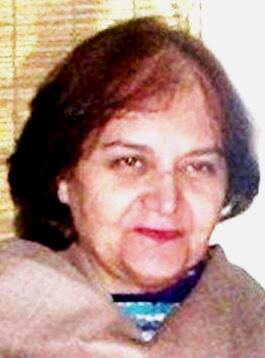
Anjum Wasim Dar, migrant Pakistani of Kashmiri origin. Masters in English Literature & American Studies. Master’s in history, Punjab University. Scholarship holder for distinction in English Language at Graduate level. Post Graduate Diploma in TEFL and Certificate of Proficiency in English, Cambridge University UK. International Poet of Merit, Bronze Medal Award Winner, ISP USA-2000, Short Story Writer, Author of Novel for Young Adults, The Adventures of the Multicolored Lead People.
Former Head of English Department at Pakistan Air Force AIR University Bilquis College of Education for Women, Islamabad.
Three Poems published in A Bouquet of Triple Colors. Anthology of Bangladeshi Pakistani and Indian Poets 2022. Amazon.com
WordCity Literary Journal is provided free to readers from all around the world, and there is no cost to writers submitting their work. Substantial time and expertise goes into each issue, and if you would like to contribute to those efforts, and the costs associated with maintaining this site, we thank you for your support.











 WordCityLit