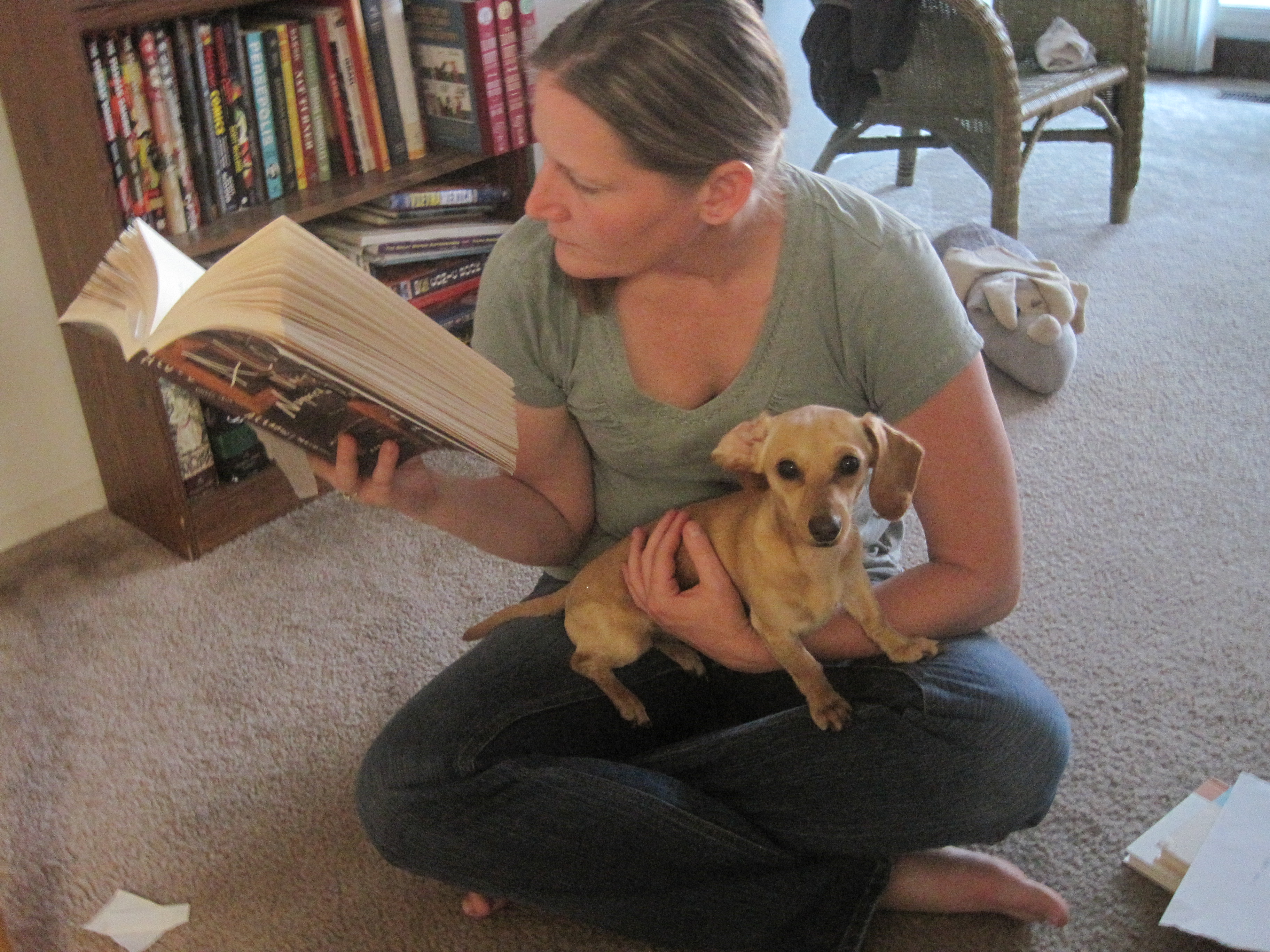
Books Not for the Beach. a review of books by Gordon Phinn

GordonPhinnPhoto

Books Referenced:
This Is Not a Pity Memoir, Abi Morgan (HarperCollins 2022)
A Life in Light, Mary Pipher, (Bloomsbury 2022)
The Organist, Mark Abley (University If Regina Press 2019)
The Last Days of Roger Federer, Geoff Dyer (Canongate 2022)
They Have Bodies, Barney Allen (ed. Gregory Betts: University of Ottawa Press 2020)
This Time A Better Earth, Ted Allen (ed. Bart Vautour: University of Ottawa Press 2015)
The Abortion Caravan, Karin Wells (Second Story Press 2020)
The Freedom Convoy, Andrew Lawton (Sunderland House 2022)
Solace, Eva Kolacz (Black Moss Press 2021)
Apricots of Donbas, Lyuba Yakimchuk (Lost Horse Press 2021)

Books Not for the Beach

    Reading in a recent New Yorker that James Patterson, the best selling thriller writer (over 400 million sales so far), accessed and then maintained his status by publishing several titles per season, supplying the outlines of his 260 novels to ghost writers who actually spill the words onto the page, and that his method is a repeat of the Stratemeyer Syndicate of the early 20th century that churned out hundreds of Nancy Drew and Hardy Boys novels from a “legion of ghostwriters” tucked in behind the names Carolyn Keene and Franklin W. Dixon, rather put my teeth on edge as I prepared to contrast and compare memoirs to more literary memoirs.  I was relieved to hear that critics complain of his “generic characters, workmanlike, plot-driven prose” and the whole scam of “churning out multiple titles with the aid of co-writers”, but yet somewhat disappointed to realize that a finely tuned and entertaining genre film like The Lincoln Lawyer, with great ensemble acting by Matthew McConnachy, Marisa Tomei and William Macy was sourced in such a paint-by-numbers typing pool.

     Well, this happens and that happens, in formulaic novels as in life, and our charming naivete is slotted into the grimy comeuppance of unsightly corporate profits, some of which no doubt covers the ass of literary lost causes.  The marketplace shows no mercy for those who would refuse its harness.

     When Abi Morgan’s reminiscences This Is Not a Pity Memoir found its way to WordCity’s harbour I was intrigued to be reading the somewhat anguished testimony of an accomplished and insightful script writer, whose TV series The Hour and River had complemented her fine film scripts like The Iron Lady and Suffragette, impressing this movie buff no end.  While its fast paced chatty delivery often outpaces the reader’s desire for a mellow escape and gets the breath going in anticipation, the subject matter is one severe and virtually terminal medical trauma.  After witnessing her spouse falling foul of a new miracle drug to treat his MS, collapsing into incoherence and then an induced six-month coma followed by a recovery in which he recognizes everyone in the family but her, the poor woman goes through the fires of hell, waiting and wondering and waiting again.  This is exacerbated by her very own diagnosis of breast cancer, followed by the usual trial by fire of chemotherapy, now familiar to us all.

     This double whammy of almost unendurable suffering and mental torment continues for a couple of years while the author works on scripts, meets with producers and actors and, you know, makes ends meet.  That there is a second home for these hapless Londoners in Puglia, with garden and pool, skiing vacations with the children, and birthday parties in reserved private rooms in bespoke restaurants and the now customary mask-wearing paranoia of the period seems only to embroider the gut wrenching pain of the life impasse stoically endured.  I was filled with admiration for the endurance quotient of the entire extended family.

     Morgan’s stacatto style, all Brit-chatty, rolling over itself with the emotive free fall women specialize in much more than men, certainly hurries the reader through the day to day dramas of the family in waiting, and its use of the conversational sets it apart from a more literary approach, where sentence and paragraph structure is carefully weighted against the emotional tenor of the memories accessed.

     Such is the case with Canadian poet Mark Abley’s 2019 memoir The Organist, a deep consideration of his childhood and family, particularly his father, a church and theatre organist in both England and Canada, his lifelong struggle with melancholy and the pose of the misanthrope that often overtook his love of music and dedication to teaching its rudiments to the young.  In the course of retelling Abley wisely chooses to include old letters and the memories of others to contrast with his own rather self-centered recall.  His measured and meditative approach, combined with a poet’s sensitivity to language and expression sets it apart from the many celebrity memoirs that seduce their audience with all-too-familiar life lessons whispered in your ear.

      Another memoir caught my attention during this traverse: A Life in Light, recounting Mary Pipher’s years from rural childhood to urbanized maturity, emphasizing those moments of blissful joy that interrupt the trail of the tawdry and boring that most of us travel through on our way to the somewhere we’ve been assured exists.  While Pipher examines her journey, a fascinating one at that, through the lens of the trained psychologist and ‘cultural therapist’, Abi Morgan sees her drama as just that, a drama, a roller coaster ride through a circus of highs and lows that resolves itself in a release from illness when the show is over, graduation from schooling, a life less threatened and a studied avoidance of happily-ever-after chortling, and Mark Abley makes a poet’s map of the father-son territory in the light of such classics as Father and Son, each creator carves their life statue with the care appropriate to their tradition.  And that such streams of expression continue alongside each other on the shelf, catering unabashedly to the democritisation of taste, speaks volumes to the modern myth of society being somehow post-literary.


*


     It’s always good to have a few non-literary friends on hand, mainly to remind you that there is life outside the wordy bubble that so entrances you.  The sort of folks who read books, often popular ones, but are a bit fuzzy on what literature actually entails.  The ladies often will enthuse over the likes of Amy Tan, Jojo Moyles or Diana Gabaldon,  the guys John Le Carre, Henry Miller, Hemingway or Sedaris.  These were books they enjoyed rather than those whose reputations they’d been pumped up with and essays squeezed out reluctantly.  You carefully avoided the more esoteric references that would challenge their assumptions, not to mention any Canadian other than Alice Munro or Margaret Atwood, relieved that they did not regard you as some kind of freak as they breastfed their babies and chattered about the Stanley Cup play-offs.  Plus in my day they were always up for enthusing over the likes of Bob Dylan, Joni Mitchell or Van Morrison, whose cultural contributions, let’s face it, could often be just as refined and hard hitting as any wordsmith.  This, of course, is the world not only before hip-hop and rap but the 24/7 access to all of music history filed away in the many streaming services.  It’s all there, if you can be bothered to track it down.

     When I began my ecstatic trek through bookworld decades ago I was blessed with many examples in that category and it became known that I was now reviewing the works of others instead of fussing with my own.  Somehow, amidst the detritus of memories, dreams and reflections that clutter up the brain function, I recall turning to one pal and commenting, more or less, ‘Well I’ve discovered that I have an opinion on almost everything’.  Much to her amusement I might add.  And so it has proven to this day, whether it relates to matters of content, style, wit or expression, reaction is rarely tempered by confusion.  That is but for those mysterioso enigmas like Geoff Dyer, that literary iconoclast who smartly eludes any effort at pigeonholing with volume after volume of fiction, non-fiction, studies and memoirs, who continues his effortless meander through a mind refracted by the many lenses he has appropriated on his way to nowhere in particular and almost by accident creates a cultural road map to an undiscovered country he’d like to lay claim to, should he ever rest from roaming, which I doubt.  It’s the journey not the destination that counts don’t you know.  And for what it’s worth Zadie Smith thinks hima national treasure”.   The Last Days of Roger Federer, the latest of twenty or so missives from the adventure, is as enigmatically entertaining as any of its predecessors. Nominally about the fading days of tennis stars, the process of quitting/having death quit you, or cutting out early to set up the come-back, it soon morphs into a study of endings in many genres and art forms.  Needless to say he glides effortlessly from painters to philosophers, writers and musicians.

     Wagner, Nietzsche, D.H.Lawrence, Philip Larkin, Louise Gluck, Beethoven, De Chirico, Annie Dillard, de Kooning, Keith Jarrett, obscure blues artists like R.L. Burnside, all are mixed in with aging tennis stars  like Borg and McEnroe, and going to gigs by The Clash and Art Pepper, attending Burning Man, giving up marihuana, experimenting with DMT and coping with the decline of his own aging joints and muscles, long strained by his own decades of obsessive amateur tennis.

     All is delivered in a sleekly giddy ride through the author’s many loves and devotions, spiced with the self-mocking wit that has become Dyer’s trademark.  Make no mistake, this lad is funny.  Funny and smart, funny and knowledgeable, funny and writerly, stringing words into sentences and paragraphs, funny and philosophical as he fails to work out the kinks of his Nietzsche obsessions, funny and informative as he quotes diverse sources on his subjects of preference.

     Often that wit is rolled into the rolling tide of reflections on this, that and the other and cannot be successfully exorcised for the quick quotable chuckle.  And at times the comeliness of his construction stops you short on that quest: “You would think that works made late in an artist’s life would mean more to you as you get older.  It seems no bad thing that I started listening to Beethoven’s late quartets when I was roughly the age he was when he composed them.  Even if they were and will be forever beyond my comprehension musically, I was ready for them in other ways.  At twenty-five I didn’t even try “The Wings of the Dove” or “The Ambassadors”; I deliberately left late James – let alone what one scholar calls ‘late late James – for later, and now it’s too late.”

     And later, thinking over delays between purchase and reading, with Joseph Brodsky as the test case, we see “Something happened with Louise Gluck: I made only limited progress with poems 1962-2012

     When it came out, but prompted by her Nobel Prize win, I went back to it and am now within her austerely embodied consciousness, its gaunt sensuality and granite lyricism.  The unapproachable intimacy of her work almost insists on some kind of hesitation on the part of the reader as an appropriately faltering response.”

      From time to time in the unfolding of his fragmented yet cohesive vision, where shifting from Andy Murray to Bob Dylan and back again becomes hardly deserving of further comment, he comes to the witness box and confesses: “During an onstage discussion with John Berger about his creative longevity, how he managed to write so many books over such a long period of time.  It was, he said, because he believed each book to be his last.  To encourage me my wife points out that I’ve been saying I’m finished as a writer ever since we’ve met, more than twenty years ago.  During this time I’ve written a lot of books.  In a Berger-like way it’s the belief that I’m finished that’s kept me going, but since the gravitas he brought to my question sounds entirely inappropriate, my now preferred explanation is that each book has felt like getting in an extra round before time is called.  But at some point time will be called and I’ll be proved right.  Keep saying ‘this is the end’ often enough, as I said on the first page of this book, and you will have the last word.  It’s a reason to keep talking, to keep on keeping on.  ‘I finished my book!’ I wrote to a friend.  Now, after six months of doing almost nothing, I wonder if I got that the wrong way around, has it finished me?”

      A musician not quoted by Dyer, despite contemporaries like Peter Hamill and Jim Morrison being consulted for stoner eloquence, Robert Fripp has been fond of saying that sometimes the band begins by playing the music, but then, if the alchemy is just poured in the correct portions, the music opts to play the band and we are all elevated into the zone.  With Dyer, the writer enamored of all the arts and sports, he opens by plotting his course, or seeming to, but ends up with the course playing him for all its worth.  And believe me, it’s worth it.


*


    Those of you who care to recall college, particularly those who harnessed themselves to Literature, either the English or Canadian variety, will remember, with varying degrees of fondness or frustration, those critical editions of classic texts, often but not always novels, that attempted to place you in the driver’s seat for an author and epoch long gone, allowing you something more than  glimpse as to what it might have been like to read, say, Thomas Hardy’s Jude The Obscure shortly after its release.  The University of Ottawa has a line of such editions and I am discovering that they can be as fascinating as our major league competitors from the US and UK.

     Take a breather from Joyce, Fitzgerald, James or Woolf and allow me to introduce you to Barney Allen, scion of a prominent Canadian family who pioneered the creation of theatre chains in the days of silent film and whose dutiful participation in the family empire left him sufficient energy to compose a quartet of novels, ascending, as Gregory Betts points out in his illuminating introduction and analysis, from the modernist avant-garde to the “ripping yarn” of 1965’s The Gynecologist, where “all highbrow literary intentions were set aside in this story of a doctor’s steamy affair with his patient.”  Regardless of his literary contribution or lack of it, Mr. Allen is a quixotic chapter in the rather stunted growth of the Canadian avant-garde and deserves further attention, as much for the repressive reaction to his then shocking modernism as its pallid reproduction of other’s innovations.  The early novels of Hugh MacLennan, (Strange Fugitive/Such Is My Beloved/More Joy in Heaven) with their pointed societal critiques, serve that cause with significantly more aplomb.  While it is easily recognized that the text does focus on the shape and substance of bodies (hairy chests/heaving bosoms/luscious thighs) and the fleshly lusts of both sexes, repressed by convention but ever ready to spring forth, there is also an inordinate amount of fashion plate detail to satisfy any Vogue aficionado.  These folks are dressed.

     They Have Bodies comes to us as a novella (140pp) length narrative, once deemed offensive to Toronto society’s powers that be and forcibly removed from all sources immediately upon publication by those righteous defenders of public morality, the police, leaving the small US edition to fend for itself.  As one critic reports in the contemporary jargon, it was ‘disappeared’.   But only for a century.  Only in Canada you say, pity.

     Its sexual frankness, which pivots on the maid’s willing enthusiasm for sexual contact more than the expected power play of her employer, seeing her as a fully sexual being in her own right regardless of class, effectively joins the likes of Nathaniel Hawthorne, D.H. Lawrence, Henry Miller, Anais Nin and Barney Rosset in that cultural struggle to assert one’s erotic civil rights in the face of centuries of puritan condemnation and punishment.  Internationally it will likely be seen as not much more than a fascinating footnote to those more ambitious works, but nationally, with our own cultural avant-gardists, Elizabeth Smart and Sheila Watson notwithstanding, so thin on the ground, it gains, and likely will retain, a significant niche.  Its use of stream of consciousness, alternating with conventional narrative and gauche irruptions of the theatrical that ape but fail to equal the stylish wit of, say, Bernard Shaw, the work makes for a poor neighbour to the genius dazzle of an Ulysses. And as such professor Betts, being perhaps our most prominent scholar of the field in all its manifestations, while providing all the right signposts to further study, has a tendency to overlook its weaknesses.  That the book was rigorously suppressed in its day fits with the timelines of state censorship ranging back to the 17th century, but stops well short of establishing any but the most paltry of literary achievement.  In placing the then shocking findings of Freud in a fictional template, Allen perhaps fulfils a personal mandate yet fails to convince the reader of his characters’ reality outside of his authorial manipulations.   The work may be, as Betts suggests, “the first sacrificial entry of the Canadian literary avant-garde” and a port of call in an ongoing voyage of discovery in one or more doctorates but rather falls flat in terms of literary excellence or even pleasure.

     State censorship has been eroded by patient and fearless challenges over the decades but as we have seen in the past few years, not entirely pacified.  Dissent can still come with a hefty price.  I suspect it always will.  When one challenges the established order, the holders and exploiters of power and control, with their exercise of hidden agendas and manipulation of us debt ridden puppets at their pleasure, one takes the wrath that is freely passed around by those functionaries afraid of their own loss of status.


*


     In our contemporary geopolitical environment where contemporary autocracies compete with the fabled rise of fascism for depth of repression and infamy, the topic of the Spanish Civil War is never far from reference.  The University of Ottawa’s series of reissues Canada and The Spanish Civil War hopes to remedy any lack in the cultural and historical crossfire.  And as I recall from the arguments still resounding over George Orwell’s memoir Homage to Catalonia, those embers can easily be relit.  As Pete Ayrton remarks in the introduction to his fine and perhaps exhaustive anthology No Pasaran! (2016), although a small war in comparison with the two giants on its flanks it “continues to punch above its weight in terms of cultural and political resonance.”  With its forty odd contributions from the likes of Andre Malraux, Luis Bunuel, Arthur Koestler, Muriel Rukeyser, Joan Sales and John Dos Passos it can and does serve as one of several foundational texts.

     Under consideration here is Ted Allan’s contribution This Time a Better Earth, edited and introduced by Bart Vautour.  Author Allan will perhaps be better remembered for his 1952 work The Scalpel, the Sword: The Story of Doctor Norman Bethune, and his award winning screenplay for the film Lies My Father Told Me, this carefully fictionalized memoir belongs on a shelf with its contemporaries as the sobering distance of history shakes down the competing myths and ideologies to produce the balanced portrait we know is there, ready to instruct.  The camraderie and naive idealism of the young men volunteering for what became the MacKenzie-Papineau battalion is admirably evoked as they buck up their nerve to fight off the growing threat of fascism as exemplified by Franco’s Royalist rebels backed up by Hitler’s bombers and Mussolini’s troops.  It is still unclear whether Allan, as ‘Bob’, actually had the extended romance with ‘Lisa’, based on the very real war photographer Gerda Taro, whose death on the field of battle was turned into a useful martyrdom for the Communist cause with a cast of thousands at her Parisian funeral cortege, but the frank and unsentimental portrayal of their love bond is as convincing and touching as the male bonding of the men under fire and repeated bombardment.  I must say I found the descriptive realism quite riveting, albeit in the small doses the novella supplies.  Critical editions encourage the sober scholarly reexamination but I suspect even a casual reader could be enthralled with this slice of political and cultural history.


*


     The recent reversal on abortion rights by the US Supreme Court has returned the spotlight to civil rights issues we thought resolved decades ago.  The tributaries to this resuscitated river of raging patriarchy are many, and deserve a deeper study that I can give here, but of interest to Canadian readers is the recent account by Karin Wells of 1970’s The Abortion Caravan, where a couple of vans and  a car with approximately seventeen women, made their way across the country from Vancouver to Ottawa to alert the populace and then Liberal government lead by Pierre Trudeau to the plight of the many women dying from botched backstreet abortions and the dire necessity for the loosening of restrictions.  Such were the times, an epoch still smarting from the fifties’ commie paranoia, that these women liberationists were seen as dangerous lefties by the RCMP and their progress carefully monitored for any eruptions of threatening radicalism.  Don’t forget this is 1970, (about five months before the eruption of the October Crisis and the invocation of the War Measures Act), when long distance phone calls and the odd newspaper headline were the paltry means of news transfer as the women made their way through the prairie provinces and into Ontario, gathering more supporters along the way.

     Women’s Liberation groups were well established in many towns and cities by this point, but this seems to have been their first collective action and the growing pains of diverse competing agendas, with some looking to smash the stranglehold of patriarchy and others the complete overthrow of capitalism, now looks quaint and naïve.  Now we might man the barricades while making plans for next weekend.  Yet their bravery and determination in the face of a government satisfied with the previous year’s establishment of therapeutic abortion committees in hospitals to which women could appeal, only through their doctors of course, has to be admired.  It should be noted that approximately 19 out of 20 requests were refused.  And in the face of the US anti-Vietnam protests, huge after the shootings at Kent State, their own protest seemed somewhat insignificant, even to them in their fervour.  But they followed through and wound up in Ottawa with hundreds joining their march to 24 Sussex Drive, where they spontaneously squatted on the lawn and eventually deposited the symbolic coffin, topped with those gruesome reminders of suction pumps, knitting needles and lysol, on the porch of the Prime Minister’s residence for the grand irreversible gesture.  This was more or less repeated in the following days in Parliament, where, with fake id’s, ladylike clothing, white gloves and hidden chains they quietly occupied the public galleries and began to shout their slogans one by one, confusing security and bringing debate to a halt and humiliating headlines to the following days’ papers.

     Their efforts, mostly self-funded and what you might call barebones, certainly brought public attention to their cause, although the laws were not modified for many years, those same years during which Henry Morgentaler repeatedly challenged the status quo with his independent clinics.  With this book author Wells has served the cultural history of Canada well and with honour, reminding us of the long struggles until the repeal, under then new Charter of Rights in 1988, of the shaming and injury of women seeking to return control of their bodies from those male elites who assume they know better.


*


     That comparisons can be made to Andrew Lawton’s very recent book length report The Freedom Convoy might surprise and even offend some, yet I feel they should be indicated.  Determined idealists crossed the country, initially on their own dime, convinced that government policy was harming a goodly portion of the populace while trashing our cherished civil rights and were adamant that their demands should be met, or at least listened to.  The distance between 1970 and 2022 can be measured in a number of ways: diversity of participants; sudden amassing of finances; instant, or close to it, communication between community members and on out into the world.  At times it became like a continuation of the Vietnam-era chant: “the whole world is watching!”  It seemed like our national response was somewhere between pride and embarrassment: pride that we were finally being paid attention to, embarrassment that we’d been caught with our pants down.  But that’s just me; in the raucous debate that the convoy aroused there were many mes with pointed opinions.

     Lawton’s recounting of the unfolding drama strikes me as a sober and relatively unbiased assessment of the confusions aroused by the numerous online commentators, the misrepresentations of the mainstream media and the dysfunctional and uncoordinated response of the various levels of government.  Every claim and assertion is carefully footnoted for those who might suspect otherwise.  That further accounts will appear in the months to come is a given, but this is a fair start.


*


     Eva Kolacz third book of poems is a very welcome addition to her growing accomplishment.  The lyrics show a maturity and what I might call a more pungent lyricism than was previously shared.  Ribbons of underlying melancholy are resolved into gifts of submission and acceptance.  As the poet charms herself into an embrace of the stern blows of fate’s severities we too are charmed by the beauty of the language on which that embrace travels as it performs those shapely incisions in our perturbed defenses.  This is a collection I found myself turning to in those odd moments of distraction, when the small gifts of insight can render confusion radiant.

Solace


Offering me only a few seconds at a time of yourself

Is not enough.

Did I miss the point altogether when asking you, solace,

to give me back my peace of mind?


I long for the loving song of nothingness.


In other words, I’m here, waiting

behind the ornament of a smile covering my true appearance;

there is always more than one could see –

the length of unwanted thought inside the flesh, aching.


I’m older now, still balancing

on the tightrope six feet above the ground

with no mat below, not forgetting where I came from-

although my disconnection with you seems to be unstoppable.


*


     As the cancerous poison of war makes its way around the planet, stirring tribes and ideologies into murderous rage and thrusts of vengeance, our sympathies flow to those struck down by ruthless military might, whether armored and uniformed or scruffy and militant.  Once it was Yugoslavia, the former, then Rwanda then Serbia now Ukraine, with the many eruptions of the Arab Spring filling in any gaps.  While the futility of neutrality feeds our sense of same and purpose, we try to tend the wounded, feed the hungry and provide safe haven for the refugees.  Journalists, activists, diplomats, poets: each have their role, even as they criticize the other.  That’s how tragedy prompts humanity.

     Apricots of Donbas, bi-lingual collection of poems from one of the leading lights of contemporary Ukrainian literature, Lyuba Yakimchuk, and midwifed into English by three translators, Oksana Maksymchuk, Max Roschinsky and Sevtlana Lavochkina, is something of a poetic passport to that region’s suffering.  And it is brought to us by Lost Horse Press in Sandpoint, Idaho.  While many of the poems reflect the hostilities in the region of Luhansk where the author once lived in the 2014/15 period, there are a number which approach the ‘warfare of the kitchen and bedroom’, the politics of the familial and personal, some of which reek of the acerbic and satirical, drawing our grins and chuckles in this landscape of the grim.

     As the bulk of poems were previously included in the 2015 collection “Abrykosy Donbasu” and 2009’s, “, iak MODA”, little of the text reflects the current hostilities of the Russian invasion and more the internal conflicts of the nation itself, which, like all civil wars, have deep historical roots.  And whether we as readers choose NATO or Russian propaganda as our online influencer of note, the poetry stands or falls on its own merits, which I would say are mixed.

     While there is much to recommend in these pages, it is marred by occasions of the clichéd and obvious, marring its potential for sublime.  Whether that lies at the feet of the poet or translators is beyond my remit, but the recitation of awards, prizes and praise given to Yakimchuk, accolades for her spoken word performances, description of ‘a fashion icon for VogueUA’ and being ‘the mother of a ten-year-old’ seem somewhat superfluous to the actual architecture of the stanzas and stirs some dull suspicions.


The return


we want back home, where we got our first grays

where the sky pours into windows in blue rays

where we planted a tree and raised a son

where we built a home that grew moldy without us


but the road back home blossoms with mines

needle grass and fog cover the open pits

we come back bitter, guilt ridden, reticent

we just want our home back and a little peace


if only to go there, to breath in the scent of mold

pulling yellowed photographs out of family albums

we’re going home where we won’t grow old

parents and graves and walls waiting for us


we will walk back even with bare feet

if we don’t find our home in the place where we left it

we will build another one in an apricot tree

out of luscious clouds, out of azure ether

Return to Journal

Gordon Phinn has been writing and publishing in a number of genres and formats since 1975, and through a great deal of change and growth in CanLit.  Canada’s literary field has gone from the nationalist birth pangs of ’65 – ’75 to its full blooming of the 80s and 90s, and it is currently coping as well as it can with the immediacy and proliferation of digital exposure and all the financial trials that come with it. Phinn’s own reactions was to open himself to the practices of blogging and videoblogging, and he now considers himself something of an old hand. His Youtube podcast, GordsPoetryShow, has just reached its 78th edition, and his my blog “anotherwordofgord” at WordPress continues to attract subscribers.

Phinn’s book output is split between literary titles, most recently, The Poet Stuart, Bowering and McFadden, and It’s All About Me. His metaphysical expression includes You Are History, The Word of Gord On The Meaning Of Life.

WordCity Literary Journal is provided free to readers from all around the world, and there is no cost to writers submitting their work. Substantial time and expertise goes into each issue, and if you would like to contribute to those efforts, and the costs associated with maintaining this site, we thank you for your support.

One-Time
Monthly
Yearly

Make a one-time donation

Make a monthly donation

Make a yearly donation

Choose an amount

¤5.00
¤15.00
¤100.00
¤5.00
¤15.00
¤100.00
¤5.00
¤15.00
¤100.00

Or enter a custom amount

¤

Your contribution is appreciated.

Your contribution is appreciated.

Your contribution is appreciated.

DonateDonate monthlyDonate yearly
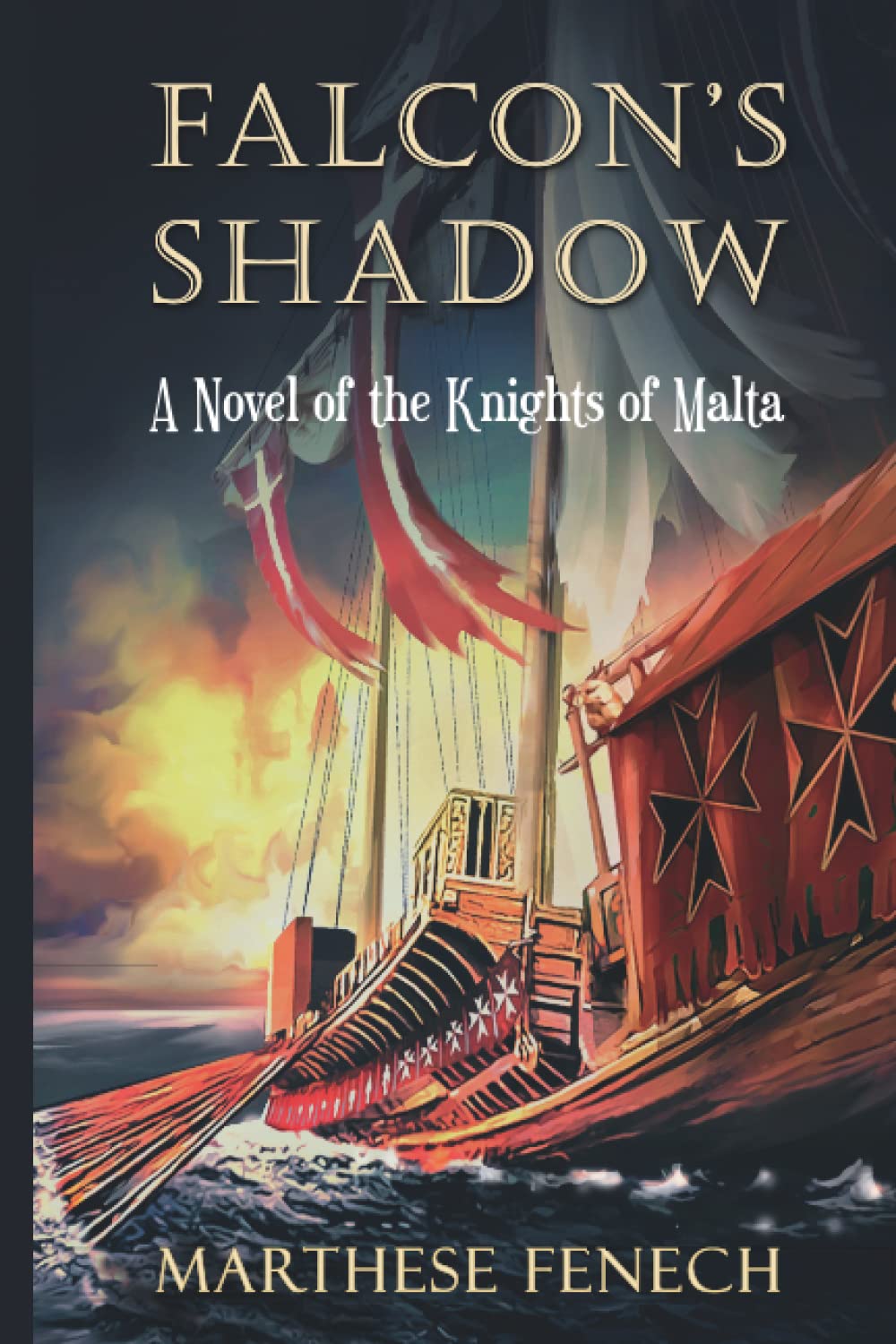
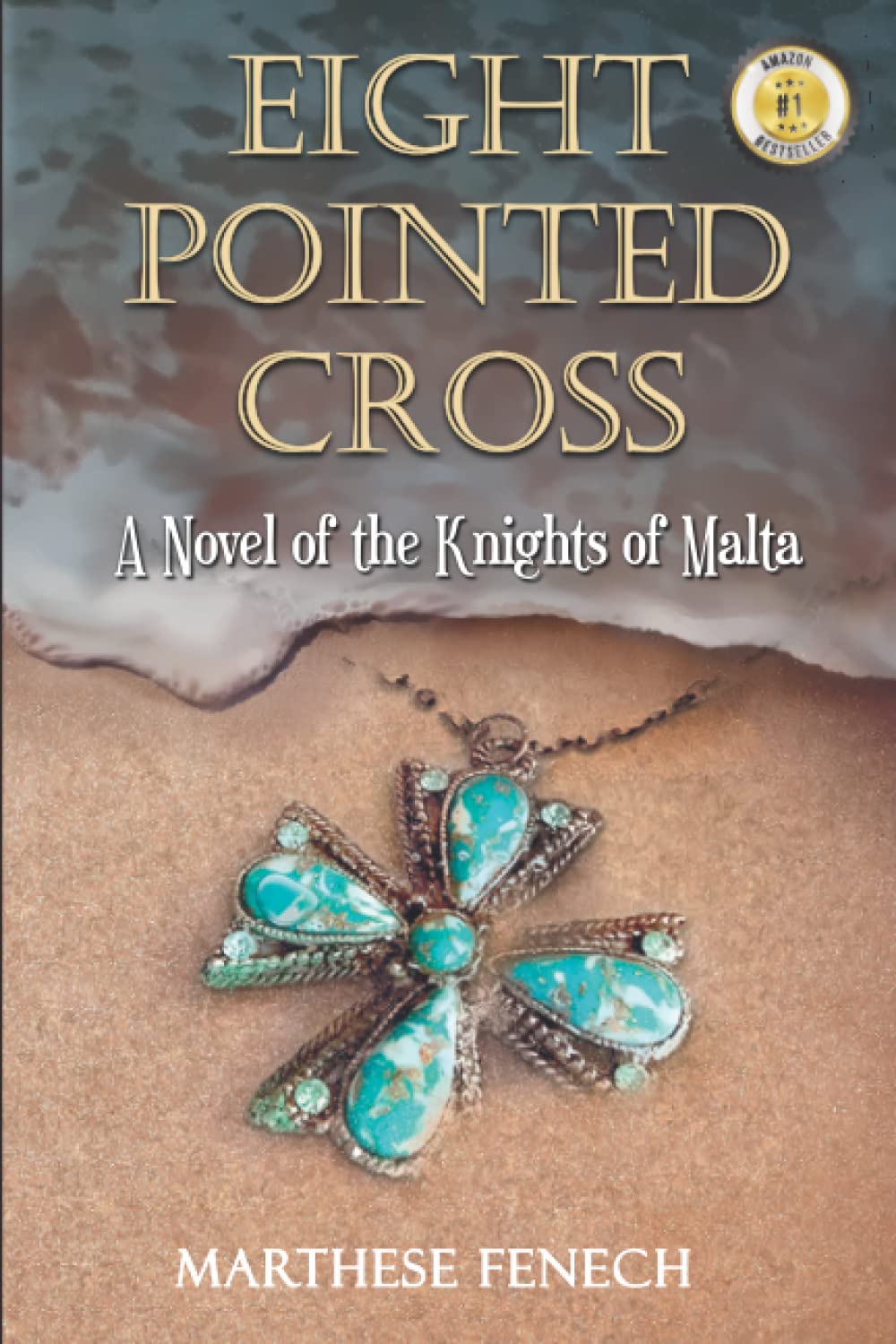
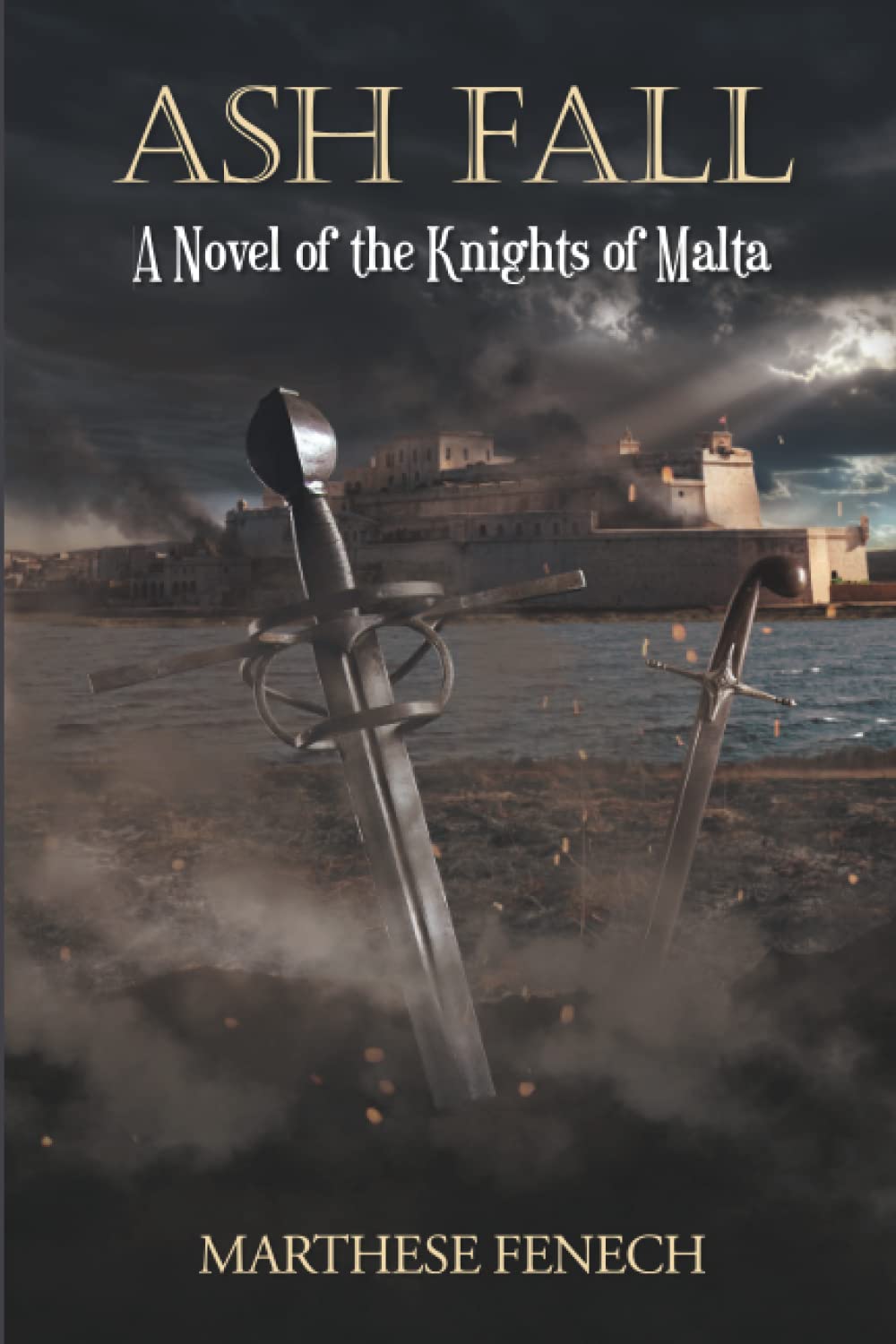
The Knights of Malta trilogy. by Marthese Fenech

This page is a surprise book birthday present for Marthese Fenech, whose decades-in-the-making trilogy reached its epic conclusion this month. Mar is not only a WordCity Literary Journal contributor and supporter, but a friend and an inspiration. With her brave and capable women characters, Mar’s historical fiction, and Mar herself, embody the spirit and strength of our September theme and we couldn’t be more proud to present not only a poem by Mar, previously featured in WCLJ’s very first issue, but this spread featuring all three books in The Knights of Malta trilogy. Congratulations to Marthese Fenech, our brilliant, fierce and unwavering friend who is also our beloved “fucking hurricane”!

Marthese Fenech - Author

The Flying Habits of Butterflies
by Marthese Fenech

Butterflies do not fly very high. 
They grace forest and canyon and sunny woodland glades
play on streams of light 

splashing through leafy canopies. 

They rise and fall. 
Pass into shadow and out. 
Delicate

even the light might bruise them. 

Is that why
they stay close to the ground?

Is she loathe to test her wings 
because she might fail? 

What made her think she’d falter? 
Who told her to stay low? 

Someone concerned 
that the beating of her wings 
might cause a hurricane.

Or that she might achieve 
the full potential of flight

Touch the sky. 
Reach above

The sky is never the limit.
Just a page to write on.

And yet, butterflies do not fly very high. 

Even when we could carry each other up  
with the collective wind 
of our own beating wings. 
 
A defiance against those 
who would have us stay low

Rise.
Grace the sky.
 
And if it pleases
bring forth 
a fucking hurricane.

From the publisher: The ghosts of war leave no footprints. When legendary Ottoman seaman Dragut Raїs attacked the Maltese islands in 1551, his army left Gozo a smoking ruin emptied of its entire population. Among the five thousand carried into slavery is Augustine Montesa, father of Domenicus and Katrina. Wounded and broken, Domenicus vows to find his father, even if it means abandoning Angelica, his betrothed. Armed with only a topaz to serve as ransom, he sets out on a journey that sees him forcibly recruited from the streets of Europe and thrown into the frontline. On Malta, Katrina struggles to find work after the Grand Master has her publicly flogged for speaking out against him. When at last, she stumbles upon a promising position, all is not as it seems. Her job forces her to confront a terrible truth—one that may prove disastrous for Robert, the man she loves. Hundreds of leagues to the east in Istanbul, Demir, son of a wealthy Turkish bey, works hard to become an imperial Ottoman horseman, despite having to endure the cruelty of his father and half-brother. Life takes an unexpected turn the moment Demir encounters a young woman, stolen from Malta, brought into the household as another of his father’s servants. Falcon’s Shadow sweeps from quarry pits to sprawling estates, tumultuous seas to creaking gallows, the dungeons beneath the bishop’s palace to the open decks of warships. Fates will collide at the Battle of Djerba, a momentous clash which unites lost kin, only to tear them apart once more.

From the publisher: The violent clash between the Ottoman Empire and the Knights of St John on the island fortress Malta serves as the backdrop to Eight Pointed Cross. Young siblings Domenicus and Katrina Montesa live under constant threat of raids by the Ottoman Turks, the staunchest enemies of the Christian knights. All the while, hundreds of leagues away in Istanbul, Demir’s dream of becoming an imperial horseman in the Sultan’s cavalry is his only salvation against relentless torment by his cruel brother. The Turkish invasion of Malta and the island’s bloody defence will forever change the lives of the three protagonists, whose fates are intertwined not only with each other, but with nobles and peasants, knights and corsairs, tyrants and galley slaves, on both sides of the conflict as the novel sweeps across the Mediterranean world of the sixteenth century—from Malta, a barren Christian outpost, to Istanbul, the glittering seat of Islam, from filthy prison cells to lush palace gardens. Against soaring sea-cliffs and open sea-lanes, the men and women of Eight Pointed Cross face corruption and oppression, broken vows and betrayal, as two great empires collide. Surviving this battle-soaked world of swords and scimitars will test the limits of every character’s courage, loyalty, and love.

From the publisher: 1565. Malta stands on the precipice of one of the bloodiest battles in history. An elite Ottoman army, 50,000 strong, prepares to depart Istanbul, the seat of the Empire. Deeply conflicted, Demir must sail alongside the host determined to conquer his mother’s homeland and crush the Order of St John once and for all. Testing his loyalty is the knowledge that Angelica, the half-sister he has never met, dwells on the tiny island.

As the Maltese garrison braces for the incoming storm, knights and civilians stand shoulder-to-shoulder on the walls. Domenicus and Robert volunteer for the ramparts of Fort St Elmo, the most precarious position on Malta. Angelica finds herself locked outside the city gates and scrambles to a hilltop citadel, where she helps establish a makeshift infirmary. Katrina takes up a bow and stands a post, shielding her town as the Ottoman tide crashes against it.

For several blood-soaked months, Malta is the stage upon which fierce combat rages. Heads are fired from cannons, field hospitals set ablaze, knights crucified, and soldiers melted where they stand. As the land exhales swirling ash, and narrow streets choke on rubble, no one escapes the fiery currents of war unscathed. The body count surges. Hope scatters with the smoke. Outflanked and outnumbered, can the defence hold out until a much-delayed relief force arrives from Sicily?

Return to Journal

Marthese Fenech is the number one bestselling author of epic historical novels set in sixteenth-century Malta and Turkey. She has also written the pilot episode of a television series based on her books.

Research has taken her to the ancient streets her characters roamed, the fortresses they defended, the seas they sailed, and the dungeons they escaped.

Obstinate curiosity has led her to sixty-five countries across six continents. She does her best plot-weaving while hiking mountain trails, wandering local markets, paddle boarding cliff-sheltered bays, and sitting at home with her Siberian husky curled at her feet.

The youngest of five, Marthese was born in Toronto to Maltese parents. At twelve, she moved to Malta for six months and was enrolled in an all-girls private school run by nuns; she lasted three days before getting kicked out for talking too much. Back in Toronto, she started a business editing and selling bootleg heavy metal concerts. She later worked with special needs children and adults, witnessing small miracles daily.

Mar has a Master’s degree in Education and teaches high school English. She speaks fluent Maltese and French and knows how to ask where the bathroom is in Spanish and Italian. She took up archery and wound up accidentally becoming a licensed coach. A former kickboxing instructor, she snowboards, surfs, scuba-dives, climbs, skydives, throws axes, and practices yoga—which may sometimes include goats or puppies. She lives north of Toronto with her brilliant, mathematically-inclined husband and brilliant, musically-inclined dog, known to lead family howl sessions on occasion.

WordCity Literary Journal is provided free to readers from all around the world, and there is no cost to writers submitting their work. Substantial time and expertise goes into each issue, and if you would like to contribute to those efforts, and the costs associated with maintaining this site, we thank you for your support.

One-Time
Monthly
Yearly

Make a one-time donation

Make a monthly donation

Make a yearly donation

Choose an amount

¤5.00
¤15.00
¤100.00
¤5.00
¤15.00
¤100.00
¤5.00
¤15.00
¤100.00

Or enter a custom amount

¤

Your contribution is appreciated.

Your contribution is appreciated.

Your contribution is appreciated.

DonateDonate monthlyDonate yearly
3 poems by Romana Iorga

Romana Iorga

You Never Wanted It Anyway

1.

This evening drips languorous
poison into my veins.

You tilt the blue 
shade away from your pillow.
My shadow 

leaps on all fours
onto the wall, hangs upside 
down by its nails,

sprints across the ceiling.

Outside, the sky is burning,
a mad woman in her twilit garden.

2.

Sinking deep is almost too easy.
It’s like dropping a coin
in a well. It’s like watching it 

fall, listening for the plonk 
that never comes.

Your mouth twists when you say them,
those words you rarely mean.

After the shower, I take pictures
of footprints on the floor,
a presence that takes no time 

to disappear.

3.

Last fall we strung a see-through tarp
between our cherry trees
to catch the fruit.

We caught the rain instead.
The cherries lolled about
like eyeballs
inside the sagging paunch.

And so, we lay under the pool 
of rain, stabbing its heavy 
belly to make it bleed,

the water warm, already breeding 
flies, or something worse than flies,
something without a name.

Maybe we lost it then, 
what neither of us wanted.

For it was lovely, that distorted 
sky, the two of us sufficient 
unto it. We laughed at moving 

shadows while the sun
erased the remnants of what 
nearly was, or could have been,

then wasn’t.


Adulterous


The house was silent, as if 
the rocks hitting it made 
no sound, didn’t echo 

through empty rooms 
like a black wave,
engulfing the woman 

who crouched under 
the kitchen table, 
hands over ears, eyes shut 

to keep death 
from sprawling inside her,
from ripening 

in her skin, from slithering 
out when the first rocks 
were to find her. 

The black wave snaked 
through eyelets on the blue 
tablecloth, simmered 

in the green coffee pot 
on the stove, jumped high, 
touched the ceiling with thirsty 

fingers. The woman 
opened her eyes, crawled 
to turn off the range. 

Her legs took her through 
unfamiliar rooms. 
Those books, that furniture 

belonged to someone 
she vaguely knew. 
Hand on the doorknob, 

she watched her fear 
still rocking under the table; 
the black wave 

still lapping on her face.
Her death uncoiled 
and swam up, rushed 

out through cracks 
in her skin, bloomed red 
on the trampled 

flower beds. Blades 
of sound hacked 
through bruised air. 

The crowd knelt 
by the blossom, watched it 
open its petals—

slowly, as if 
in a dream. The air 
hummed with its scent.
Years later, the black wave 
found them all 
in their own hiding places, 

filled their lungs with that 
scent, sealed nostrils 
and mouths, steeped them 

in their skins. 


My Body Is Also a Word

Precise as a clock when the mind isn’t. 		
The only thing I have that tells time 
accurately. 	

It searches for its futures 
in the crooked lines on its palm, 
in the stretch marks that point like roots 
toward the bigger body of the earth. 

Its face is wrapped in a shadow. 
It only knows the faces of its children.

It’s loud. So loud. It slams its gaze 
against tall windows at dawn: Out! Out!
	
It springs from volatile pelt, 
prowls the dark cages 
of sleep, rips through dreamflesh 
with new fangs. It has a clear conscience.

In a crowded room it looks 
smaller, but so does everyone else. 
It feels smaller, like many do 
but don’t show it. It learns to hide 
in plain view, sometimes successfully. 

It has the sleek hide of a loved pet 
but doesn’t like to groom itself. 
It thinks of itself as unloved for the drama. 

In the clear eyes of its children it grows 
banyan roots. It fosters attachments 
on rainy days, ploughs through the light 
with a cloven foot. When asked 
to surrender, it does so on second thought. 

It goes to bed out of sheer exhaustion, 
but also for the love of that furry 
animal, sleep. It dreams of innumerable 
children. It dreams of a childless life, a lonely 
death on some forlorn mountain peak.

It has the aura of a double-edged 
sword, the cry of a loon. 
It swaddles the moon, swallows it 
whole. It gives birth to twins.

It glows from within with the core 
of a star but dares not look 
in the mirror. It fears what it can’t see.

It smells like a secret. 
If asked, it can fly all night. 

It wakes up before birdsong 
and fills the rooms with morning. 
It never learns to make the right coffee. 

It breaks rules now and then just to keep alive.

It loves sweets and their absence. It loves 
love, the unattainable kind, unrequited, or lost. 
It gives in to hatred now and then 
just to keep alive. 

It grows branches, sprouts blossoms, 
calls them children or poems. 
It takes care of some, ignores the others.
Reverses the order the next morning. 
Thrusts deep roots into guilt, 
into memory. Loses both on a good day. 

It gathers baskets of sin, 
armfuls of flaws just to keep 
alive. It flies on broomsticks and fallen 
leaves, then dreams itself fallen 
or crushed or rotten. 

It dares not dream of redemption.
It thrives like any common flower 
in unhallowed grounds.

It makes its own spring with one swallow.

Return to Journal

Originally from Chisinau, Moldova, Romana Iorga is the author of two poetry collections in Romanian. Her work in English has appeared or is forthcoming in various journals, including the New England Review, Salamander, The Nation, as well as on her poetry blog at clayandbranches.com.

WordCity Literary Journal is provided free to readers from all around the world, and there is no cost to writers submitting their work. Substantial time and expertise goes into each issue, and if you would like to contribute to those efforts, and the costs associated with maintaining this site, we thank you for your support.

One-Time
Monthly
Yearly

Make a one-time donation

Make a monthly donation

Make a yearly donation

Choose an amount

¤5.00
¤15.00
¤100.00
¤5.00
¤15.00
¤100.00
¤5.00
¤15.00
¤100.00

Or enter a custom amount

¤

Your contribution is appreciated.

Your contribution is appreciated.

Your contribution is appreciated.

DonateDonate monthlyDonate yearly
3 poems by Lisa Reynolds

Lisa Reynolds

Haiku									
his seed
planted 
without consent


Advice
One day she may come to you
Body bruised, lip split from
The wrath of him
Trust me when I say
It is you who she needs
You who can help her
Feel whole again


Choice
Choice is a word you want her to know
Choice gives options when life is questioned
Like should she or should she not
Choose herself over him 

Return to Journal

Lisa Reynolds is a Canadian writer of poetry and short stories. She is a member of The Ontario Poetry Society, the Writing Community of Durham Region, and an associate member of The League of Canadian Poets. Her works are published internationally in anthologies, literary journals, and magazines. Her poems, Advice and Choice are two from her collection of five, that will be featured at an upcoming CROSS CURRENTS Indo-Canadian Arts exhibition, and published in the 1st edition of “Verses on Walls/In Between The Lines” along with complementary Art.

WordCity Literary Journal is provided free to readers from all around the world, and there is no cost to writers submitting their work. Substantial time and expertise goes into each issue, and if you would like to contribute to those efforts, and the costs associated with maintaining this site, we thank you for your support.

One-Time
Monthly
Yearly

Make a one-time donation

Make a monthly donation

Make a yearly donation

Choose an amount

¤5.00
¤15.00
¤100.00
¤5.00
¤15.00
¤100.00
¤5.00
¤15.00
¤100.00

Or enter a custom amount

¤

Your contribution is appreciated.

Your contribution is appreciated.

Your contribution is appreciated.

DonateDonate monthlyDonate yearly
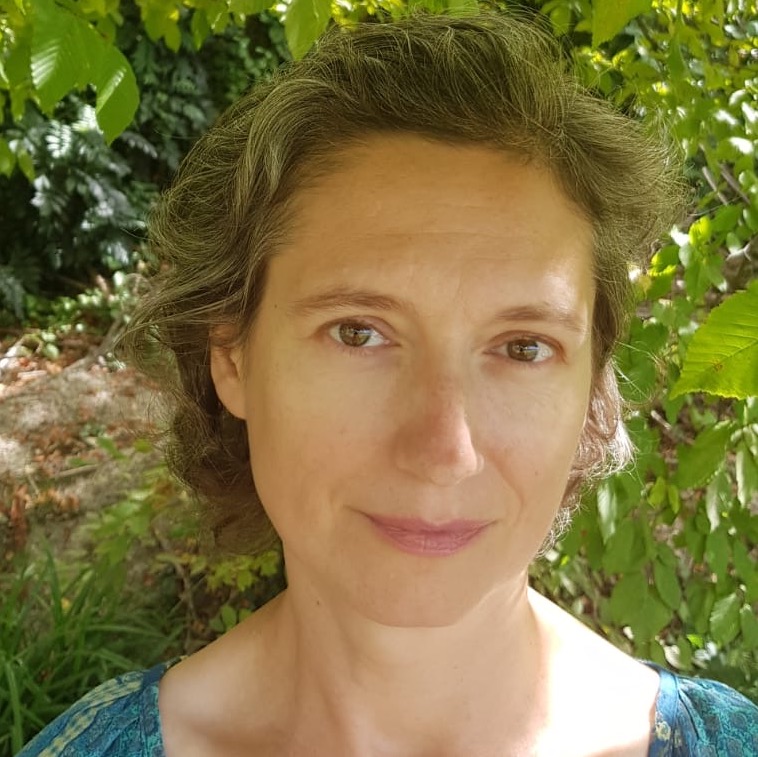
Bitter Sweet. a poem by Dakarai Mashava

Dakarai Mashava

Bitter Sweet
(For my granny Mbuya Kwenda on her 92nd birthday)

What a beautiful sight to behold
You atop the giant mountain of time
Looking back into time
Aeon upon aeon
Sucking in both happy and sad memories
Remembering the bountiful harvests that made you an envied farmer
Remembering too your people who fell by the wayside
Your face turns ashen as you remember three from your own womb that you outlived
Recalling how you risked life and limb to support war of liberation combatants
But now your limbs have been worn out by time
But the spirit is as strong as ever
The memories as sharp as a butcher's knife
As you slowly walk, gingerly raise your heavy feet
I see you lumbering on aided by the walking stick one of your nieces bought for you
I see you descending
I see you going downhill
Meanwhile the beautiful sunset is taking charge
I wonder how many more such sights your feeble body will behold
Is the sun now inevitably setting on you?

(**Two days after her 92nd birthday, my maternal grandmother died on- 18 April, 2022- Zimbabwe’s Independence Day).

Return to Journal

Dakarai Mashava is a poet based in Harare, Zimbabwe. His poems have appeared in various publications. A journalist by profession, Dakarai is currently an assistant editor at Associated Newspapers of Zimbabwe -the publishers of the Daily News and Daily News on Sunday.

WordCity Literary Journal is provided free to readers from all around the world, and there is no cost to writers submitting their work. Substantial time and expertise goes into each issue, and if you would like to contribute to those efforts, and the costs associated with maintaining this site, we thank you for your support.

One-Time
Monthly
Yearly

Make a one-time donation

Make a monthly donation

Make a yearly donation

Choose an amount

¤5.00
¤15.00
¤100.00
¤5.00
¤15.00
¤100.00
¤5.00
¤15.00
¤100.00

Or enter a custom amount

¤

Your contribution is appreciated.

Your contribution is appreciated.

Your contribution is appreciated.

DonateDonate monthlyDonate yearly
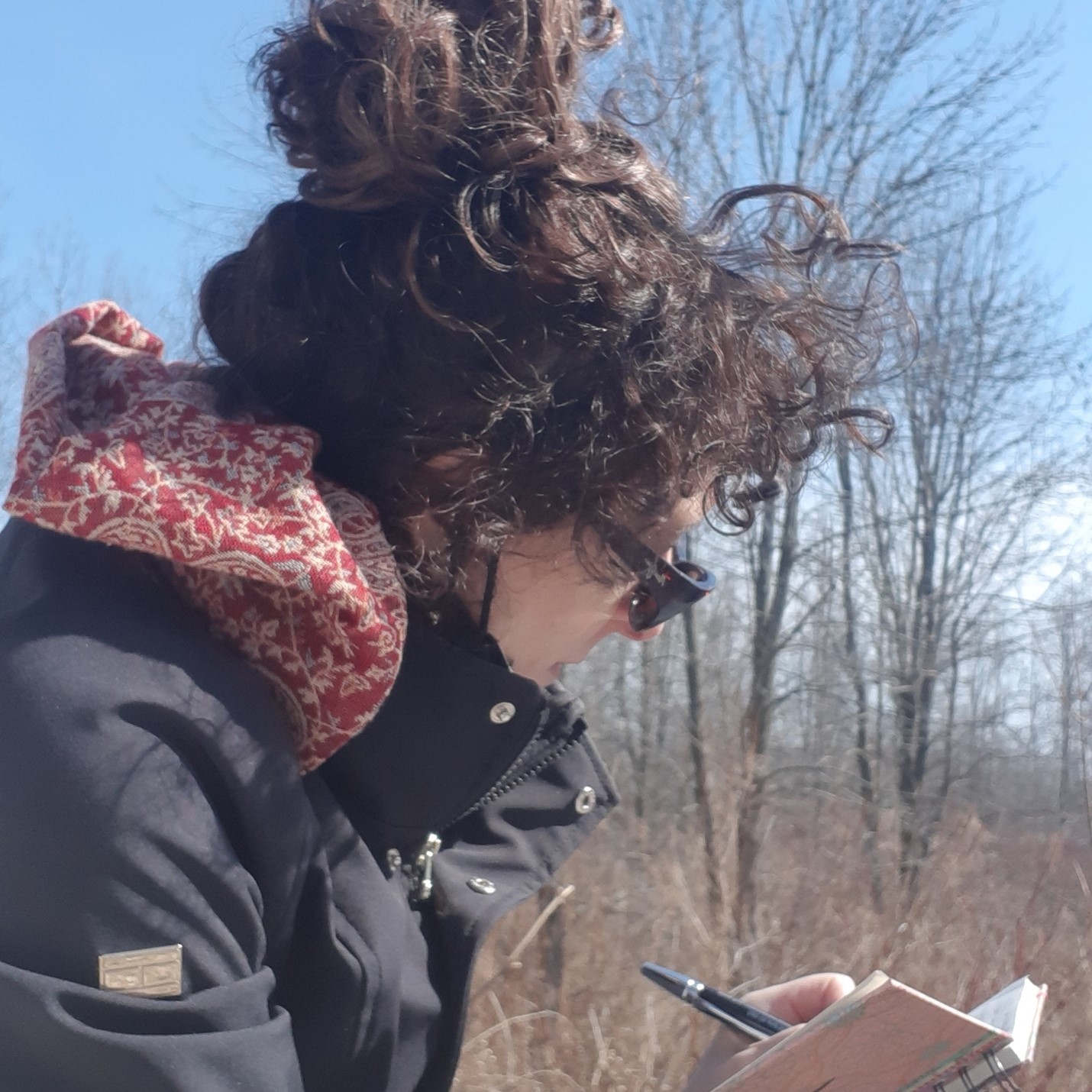
3 poems by Mansour Noorbakhsh

Mansour-Snow-2020 (resized)

For Mahsa Amini

There is a sign for life 
and for death too.

In the midst of the chaos of Death preachers and the silence of us, the victims. 
The bruise of your eye is a sign
that you had known the life. 
You crossed the fearful border of silence 
to leave the chaos of death. 

And your bruise is a sign
for me this time and every time 
to look deeply for the sign of life in myself.

There is a sign for death 
as for life too. 
منصور نوربخش
برای مهسا امینی
زندگی را نشانه ای است
و مرگ را نیز. 

در میانه غوغای چاوشان مرگ
و سکوت ما وهم زدگان
چشم و صورت کبود تو نشانه ای بود
که زندگی را می شناختی. 
تو از مرز پر واهمه سکوت گذشتی
برای وانهادن غوغای چاوشان مرگ. 

و چشم و صورت کبود تو 
نشانه ای است
تا من دوباره و هرباره 
نشانه های زیستن را در خود بجویم. 

مردن را نشانه ای است
همچنانکه زیستن را. 


forbidden fruit
A response to the terrorist attack against Salman Rushdie

pick the forbidden fruit up
even if modern slavery 
whether religious or materialist 
advertises a forever heaven 
and teaches to ignore a garden 
planted by a storm 

we all were from the mass graves
though our graves have been separated 
by barbed wires,
each mass grave on one side of that

but still, we can sing,
barbed wires never separate the songs

you know a barbed wire 
only grows nothingness 
and only protects hunger and fear

let’s dip our hands in the stormy waves
to make our shaky reflection
shakier, with courage
until the waves raise 
from our hands to our eyes

a tide, a storm 
to ruin our illusive heaven
before planting our storm garden

slavery never resides in forbidden fruit


A cup of kisses

A cup of kisses. 
A pavilion of solitude. 
I start loving myself,
When your dream survives from 
this loneliness of everyday crowd.

Amidst this alone bustle 
I buy a ticket to departure
toward a poem.
A seat of cuddles. 

Tell the clock to repeat your name 
when it chimes for annunciation. 
That’s the only time the commotion fades. 

If the trace of your gaze 
marks on the edge of my cup
suffices me to leave this anxious station 
toward survival.

Return to Journal

Mansour Noorbakhsh writes poems and stories in both English and Farsi, his first language, and has published books, poems, and articles in both languages. His book length poem, In Search of Shared Wishes, is published in 2017. He tries to be a voice for freedom, human rights, and environment in his writings. He presents The Contemporary Canadian Poets in a weekly Persian radio program. Mansour’s poems are published in WordCity Literary Journal, Verse Afire, Parkland Poets, several anthologies, and other places. His poems are translated in Greek, Italian, Portuguese, Spanish, Serbian, Macedonian, and Chinese. Mansour Noorbakhsh is an Electrical Engineer, and lives with his wife, his daughter and his son in Toronto, Canada. Mansour is WordCity Literary Journal’s Poet in Residence.

WordCity Literary Journal is provided free to readers from all around the world, and there is no cost to writers submitting their work. Substantial time and expertise goes into each issue, and if you would like to contribute to those efforts, and the costs associated with maintaining this site, we thank you for your support.

One-Time
Monthly
Yearly

Make a one-time donation

Make a monthly donation

Make a yearly donation

Choose an amount

¤5.00
¤15.00
¤100.00
¤5.00
¤15.00
¤100.00
¤5.00
¤15.00
¤100.00

Or enter a custom amount

¤

Your contribution is appreciated.

Your contribution is appreciated.

Your contribution is appreciated.

DonateDonate monthlyDonate yearly

The Knight. a poem by Todd Matson

Todd Matson

The Knight

She shouldn’t be here?

Are you referring
to how she shouldn’t
have survived being born so
premature only to prematurely
lose her mom at age 4 when she had
to go live with her aunt where she was
mentally, emotionally, verbally, physically
and sexually abused by her uncle from 4 to 14,
and not for lack of trying, failed to off herself twice?

Are you alluding to how,
at 14, she shocked the doctors
and nurses by waking up in ICU after
nearly succumbing to sepsis from the coat
hanger she used to take her life into her own
hands when her aunt and uncle deprived her of
stopping her uncle’s seed from growing inside of her?

Are you suggesting
that she survived too
many overdoses, youth
detention centers, nights in
jail, nights in homeless shelters,
nights with strangers, nights on the
streets being abused, raped and beaten?

Do you mean that
when she was starving
herself to death, eating the
enamel off her teeth and eroding
her esophagus by obsessively vomiting
up her emotions with whatever she managed
to swallow and woke up again in ICU to questions
about why she was so desperately trying to waste away?

She shouldn’t be here?

It’s too late.  She is here.

She didn’t get here
without first going in circles,
getting lost countless times, without
coming to innumerable dead ends, roadblocks,
detours, ups and downs, twists and turns. She didn’t
arrive without first dying numerous times and awakening
to Narcan and defibrillators. She couldn’t have gotten here had
she not taken roads less traveled by the trolls who used and abused her.

Had she not traveled
back in time to search for those
precious parts of herself she lost so early –
the parts of herself that everyone else had given up
on, left for dead – had she not found them, accepted them,
taken them under her wing, loved them with every piece of her heart,
and traveled over a thousand miles to get here, she would have never made it.

Here she is. In this
sea of estrogen. At this
Million Women March. In DC.
She’s crying out for lawmakers to close
the boyfriend loophole for men convicted of
domestic violence, demanding equal pay for equal work,
and politely inviting the old men in the halls of congress who’d
never vote to deny themselves Viagra to stop trying to control her body.

She has a semicolon
tattoo on her right shoulder
because thanks to the semicolon,
people, like sentences, don’t have to come
to an end; they can continue on. She has a Simba
tattoo on her left shoulder with the words, “Remember
Who You Are.” She has refashioned the tiny teardrop tattoo
under her right eye into a four-leaf clover. Her hair is the color of fire.

After so long, you have come now to her rescue? 

There she is.

She is the one
holding the sign
over her head with
no bend in her elbows:
“I’m not your damsel in distress.
I’m the knight. I’m here to save myself.”

Return to Journal

Todd Matson is a Licensed Marriage and Family Therapist in North Carolina, United States.  His poetry has been published in The Journal of Pastoral Care and Counseling, Soul-Lit: A Journal of Spiritual Poetry and Bluepepper, and his short stories have been published in Ariel Chart International Literary Journal, Faith, Hope and Fiction, and Children, Churches and Daddies.  He has also written lyrics for songs recorded by various contemporary Christian music artists, including Brent Lamb, Connie Scott and The Gaither Vocal Band.

WordCity Literary Journal is provided free to readers from all around the world, and there is no cost to writers submitting their work. Substantial time and expertise goes into each issue, and if you would like to contribute to those efforts, and the costs associated with maintaining this site, we thank you for your support.

One-Time
Monthly
Yearly

Make a one-time donation

Make a monthly donation

Make a yearly donation

Choose an amount

¤5.00
¤15.00
¤100.00
¤5.00
¤15.00
¤100.00
¤5.00
¤15.00
¤100.00

Or enter a custom amount

¤

Your contribution is appreciated.

Your contribution is appreciated.

Your contribution is appreciated.

DonateDonate monthlyDonate yearly
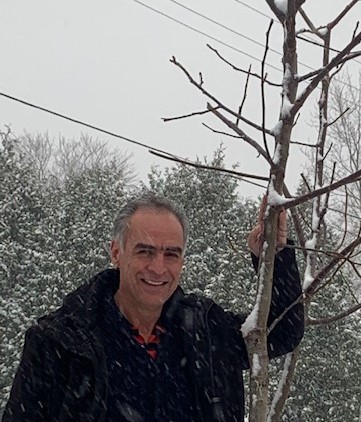
In the bewitched aviary. a poem by Paweł Markiewicz

Paweł Markiewicz

In the bewitched aviary

The sonnet according to Mr. Shakespeare

Helots muse about moony Golden Fleece of the condor.
Drudges think of the dreamy eternal dew of the hen.
Philosophers ponder on winged fantasy of the crow. 
Kings ruminate on a picturesque gold of the jay. 

Priests contemplate the dreamed, soft, meek weird of the woodpecker.
Masters daydream about nice, marvelous songs of the tern.
Soothsayers dream of fulfilled gold of the yellowhammer.  
Knights philosophize about poetic dawn of the wren. 

Hoplites fantasize about a red sky of the sparrow.
Athletes describe the most tender treasure-charm of the snipe. 
Gods remember an enchanted, dear temple of the seagull. 
Goddesses recall fairytale-like heroes of the kite.

Poets commemorate the elves-like heaven of the owl.
Bards reflect on most amazing dreamery of the rook. 

soothsayer – fortuneteller 

Return to Journal

Paweł Markiewicz was born 1983 in Siemiatycze in Poland. He is poet who lives in Bielsk Podlaski and writes tender poems, haiku as well as long poem. Pawel was educated in Warsaw (Uni – Laws) and Biała Podlaska (college – German). in 2007 and 2010 he was a participant  of Forum Alpbach – the village of thinkers in Austria. 

WordCity Literary Journal is provided free to readers from all around the world, and there is no cost to writers submitting their work. Substantial time and expertise goes into each issue, and if you would like to contribute to those efforts, and the costs associated with maintaining this site, we thank you for your support.

One-Time
Monthly
Yearly

Make a one-time donation

Make a monthly donation

Make a yearly donation

Choose an amount

¤5.00
¤15.00
¤100.00
¤5.00
¤15.00
¤100.00
¤5.00
¤15.00
¤100.00

Or enter a custom amount

¤

Your contribution is appreciated.

Your contribution is appreciated.

Your contribution is appreciated.

DonateDonate monthlyDonate yearly

Damselflies. a poem by Anne Sorbie

Anne Sorbie

Damselflies

What if we women
all met in the 
Garden of Eden

stretched our arms 
wide as branches 
stood together 

embracing our art
with joy

What if we flew
down to the river
to kneel

washed each other’s
tired feet
offering 

the healing that
comes with touch

as our kind
has done
for millennia

The eternal legacy
of all we have
to share

iridescent and lustrous
pure and refracted

Imagine those gifts

Return to Journal

Anne Sorbie is a writer poet, and editor. Most recently, she has co-edited (M)othering, an anthology of poetry, prose, and art with Heidi Grogan (Inanna Publications 2022). Her third book, a poetry collection called Falling Backwards Into Mirrors was also published by Inanna in 2019. Annes’s work has appeared in a number of anthologies, magazines, and journals and been translated into Farsi for broadcast on Persian Radio Ottawa. 

WordCity Literary Journal is provided free to readers from all around the world, and there is no cost to writers submitting their work. Substantial time and expertise goes into each issue, and if you would like to contribute to those efforts, and the costs associated with maintaining this site, we thank you for your support.

One-Time
Monthly
Yearly

Make a one-time donation

Make a monthly donation

Make a yearly donation

Choose an amount

¤5.00
¤15.00
¤100.00
¤5.00
¤15.00
¤100.00
¤5.00
¤15.00
¤100.00

Or enter a custom amount

¤

Your contribution is appreciated.

Your contribution is appreciated.

Your contribution is appreciated.

DonateDonate monthlyDonate yearly

3 poems by Laura Sweeney

Laura Sweeney

MEDITATION ON CAREENING

If you are careening toward the darkness
standing at the intersection of New
Beginnings and Old Era Road, confused
about how to recover from a rut
remember bad shit happens but bitches
who are bad bounce back.  Walk the tidepool
against the current.  You do not have to 
be discreet reserved or level-headed.
You do not have to be whimsical or 
calculated.  Or thrash so hard you’d think
your arms would be buff from paddling
though you’re no closer to casting out 
into the sea.  No.  You only have to
know there’s no safe harbor waiting. You
only have to release your wild poet’s hair. 


MEDITATION ON BARGAINING

I’m gonna get up on my soapbox 
and let er rip get the fingers movin’ 
let the juices drip or let it all go on 
without me lie down take a nap from 
the pussy riot protests v. fascism crap.
While they kill the intellectuals
kill the poets kill the journalists 
my blood is boiling from the collateral. 
Instead of readin’ Daughter of Persia 
who bargained on her education
turns out silly me I was duped shoulda 
had kids dropped out made the bargain. 
Now I’m more in debt houseless finagled 
tired from movin’ horizontal not vertical.


ODE FOR A STRUGGLE GIRL

She’s a real know-it-all, a scoundrel from 
fiasco to fiasco. But she recalls 
someone so fragile in the hospital. 
And don’t be a hypocrite afterall. 

She’s a fraudulent fleeced but she’d 
rather bask in her garden than sleep 
with an ax. 

She’s an improper woman who knows
propriety is overrated. 

Her methods are scandalous as she 
wonders how to feed them turmeric 
a quarter teaspoon per day. 

The whole shebang is ridiculous like 
a straight jacket thrown over her 
though her complaints are legit. 

And by the way what is their diagnosis? 
Dr. Cray-Cray Certified Ratty Raccoon? 

Who scold her about policy.  Don’t 
ask questions.  Don’t challenge. Don’t 
be defensive or combative.  Though 

she strives to go with the flow. Like the 
classmate who slipped one hand into hers.

Return to Journal

Laura Sweeney facilitates Writers for Life in Iowa and Illinois. She represented the Iowa Arts Council at the First International Teaching Artist’s Conference in Oslo, Norway. Her poems and prose appear in sixty plus journals and ten anthologies in the States, Canada, Britain, Indonesia, and China. Her recent awards include a scholarship to the Sewanee Writer’s Conference. In 2021, she received an Editor’s Prize in Flash Discourse from Open: Journal of Arts & Letters; Poetry Society of Michigan’s Barbara Sykes Memorial Humor Award; and two of her poems appear in the anthology Impact: Personal Portraits of Activism, which received an American Book Fest Best Book Award in Current Events category and finalist in the Social Change category. She is a PhD candidate, English/Creative Writing, at Illinois State University. 

WordCity Literary Journal is provided free to readers from all around the world, and there is no cost to writers submitting their work. Substantial time and expertise goes into each issue, and if you would like to contribute to those efforts, and the costs associated with maintaining this site, we thank you for your support.  

One-Time
Monthly
Yearly

Make a one-time donation

Make a monthly donation

Make a yearly donation

Choose an amount

¤5.00
¤15.00
¤100.00
¤5.00
¤15.00
¤100.00
¤5.00
¤15.00
¤100.00

Or enter a custom amount

¤

Your contribution is appreciated.

Your contribution is appreciated.

Your contribution is appreciated.

DonateDonate monthlyDonate yearly